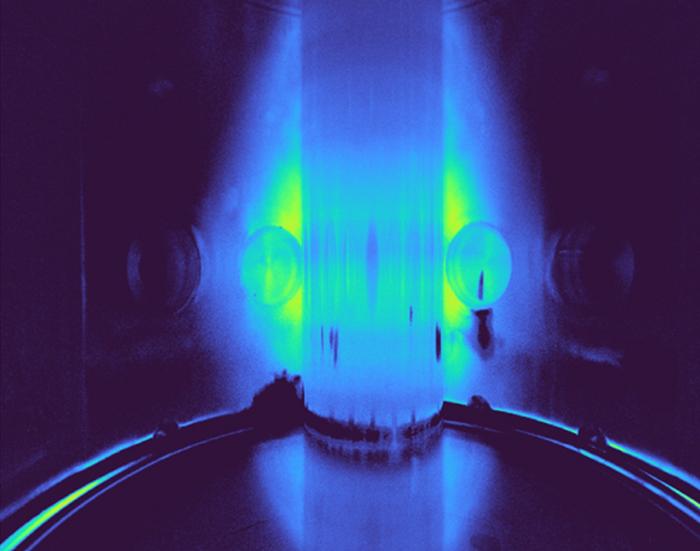

In a significant milestone for the advancement of fusion energy, the SMART device, a groundbreaking tokamak, has successfully generated its first plasma. This achievement represents a pivotal moment in the pursuit of sustainable and clean energy derived from controlled nuclear fusion processes. As the global community intensifies its efforts towards achieving energy sources that could potentially reformulate our energy landscape, the operation of the SMART tokamak poses promising implications for the future of energy generation.
The SMall Aspect Ratio Tokamak, or SMART, is not just another experiment; it is the epitome of innovative engineering and scientific insight. Developed by the Plasma Science and Fusion Technology Laboratory at the University of Seville, the tokamak embodies the flexibility and advanced design required to explore the unique physics associated with Negative Triangularity-shaped plasmas. This distinctive feature differentiates SMART from earlier generations of tokamaks, illustrating an evolving understanding of plasma behavior that can inform the next wave of compact fusion reactors.
Negative triangularity refers to the configuration of plasma within the tokamak and is crucial for achieving stability in fusion reactions. Unlike traditional tokamaks that utilize positive triangularity, which resembles the shape of the letter “D,” the negative triangularity configuration allows for enhanced control over instabilities. The stability of such plasma shapes can significantly reduce the risk of damaging interactions between the plasma and the tokamak walls, thus extending the device’s operational longevity and efficiency. These advancements could lead to breakthroughs in managing the extreme conditions necessary for sustained nuclear fusion.
SMART’s development also represents a collaborative international effort to harness nuclear fusion, making significant strides towards realizing a compact fusion power plant. As part of the Fusion2Grid initiative, this project emphasizes the importance of developing a practical framework for achieving reliable fusion energy generation. Not only does SMART aim to advance its own technologies, but it also aspires to serve as a foundation for future systems that could provide continuous energy to the grid—a remarkable promise for a world striving for sustainable energy solutions.
The operation of the SMART tokamak at fusion temperatures showcases a focused ambition towards harnessing the power of fusion in a practical manner. The preliminary data obtained from the initial plasma experiments reflects not only the potential for performing effective engineering but also the underlying physics essential for optimizing a fusion reactor. The successful generation of plasma confirms that the innovative principles at play can translate into real-world energy production, marking a substantial leap forward in the ongoing quest for fusion energy.
As the research progresses, further experiments will enhance the understanding of plasma confinement and stability. This will involve meticulously analyzing the behavior of the Negative Triangularity plasma and its interaction within the SMART environment. Observations and data collected will ultimately inform future iterations of the technology and influence the direction of fusion energy research globally.
The excitement expressed by researchers, like Prof. Manuel García Muñoz, Principal Investigator of SMART, illuminates the significant implications of these developments. With the team entering an operational phase, anticipation fills the air as the scientific community eagerly awaits the next set of findings. This not only fuels ambitions to provide insights into fusion energy but serves as motivation for engaging a broader audience on the importance of fusion as a cornerstone of future energy policy.
Prof. Eleonora Viezzer, co-Principal Investigator, further echoed this sentiment, highlighting the collective excitement among the researchers and their international peers. Collaborative efforts within the scientific community underline the wide-reaching implications of SMART’s advancements, fostering a spirit of discovery that could redefine energy technologies for generations. A globally shared enthusiasm permeates the field of plasma physics, indicating a renaissance in nuclear fusion research at a critical juncture where the world’s energy needs are becoming more pressing.
In addition to the operational significance and scientific discourse surrounding SMART, the implications of its success are deeply intertwined with environmental considerations. Addressing climate change and escalating energy demand necessitates a viable long-term solution, and nuclear fusion presents one of the most promising avenues for meeting these challenges sustainably. By refining and implementing technologies such as those being tested at SMART, the reliance on non-renewable energy sources could diminish, creating a cleaner environment while supplying global energy needs.
The structural engineering of the SMART tokamak is noteworthy for its contributions to existing literature on nuclear systems, especially concerning power handling and the challenges associated with thermal exhaust. By maximizing the effective design of the divertor—a crucial component in managing heat influx—SMART significantly enhances the capability of future fusion reactors to withstand high temperatures and energy flows, increasing overall safety and efficiency.
As we look forward to future developments, the fusion landscape is poised for transformative changes. Innovations stemming from the SMART tokamak could define the next era of energy production, characterized by its minimal environmental footprint and sustainable practices. With continuous research and collaboration, the international fusion community remains committed to establishing the means by which fusion can be effectively integrated into our current energy systems.
In conclusion, the promise of fusion energy lies within the short but impactful journey of the SMART tokamak. As it embarks on its operational endeavors, the knowledge gained from this innovative research endeavor could lead us toward an energy future that is not only resilient but transformative, paving the way for a world where clean and virtually limitless energy is a reality.
Subject of Research: SMART Tokamak and its Role in Fusion Energy
Article Title: First Plasma Produced by the SMART Tokamak: A Breakthrough in Fusion Energy Research
News Publication Date: [Insert Date Here]
Web References: [Insert Web References Here]
References: [Insert References Here]
Image Credits: Universidad de Sevilla
Keywords
Fusion Energy, Plasma Physics, Tokamak, Magnetic Confinement, Negative Triangularity, SMART, Sustainable Energy, Nuclear Fusion, Compact Fusion Power Plant, Climate Change.
Tags: Climate Change MitigationCompact Fusion Power PlantFusion EnergyInternational Scientific CollaborationMagnetic Confinement FusionNegative TriangularityNuclear FusionPlasma PhysicsPlasma StabilitySMART TokamakSustainable EnergyTokamak Technology