
The connection between diet and health has always been a focal point of research, particularly as it pertains to aging populations. Recent studies have highlighted the importance of incorporating nutrient-rich foods in the diets of older adults, who often face unique nutritional challenges. A new study sheds light on the benefits of pork consumption among Korean older adults, suggesting a significant link between pork intake and improved health outcomes, including enhanced muscle strength and nutrient intake. This research presents not only an important contribution to the field of nutrition science but also prompts a broader conversation about the role of specific foods in aging populations.
As individuals grow older, their bodies undergo various changes that can affect dietary requirements. Older adults frequently struggle to meet their nutritional needs due to decreased appetite, dental issues, and other health-related factors. Protein, for instance, is critical for maintaining muscle mass and overall health. Therefore, the consumption patterns of older adults warrant careful examination, particularly concerning the types of foods that can help meet these requirements effectively. The latest study from a collaboration among esteemed researchers in South Korea and the United States adds to this vital discourse by emphasizing the value of integrating pork into a balanced diet. It highlights how this specific dietary choice can significantly impact the health and wellness of older adults.
The research was conducted through an extensive analysis involving over 2,000 participants aged 65 and older, drawn from the Korean National Health and Nutrition Examination Survey conducted between 2016 and 2020. The study compared the dietary habits of those who consumed pork with those who did not, yielding enlightening results that underscore the importance of pork as part of a healthful diet. Notable findings showed that pork consumers reported higher nutrient intake levels, including vital components such as protein and B vitamins. Moreover, they demonstrated improved diet quality, as reflected by higher scores on the Korean Healthy Eating Index.
An essential aspect of the study involved measuring handgrip strength, a recognized indicator of overall muscle health in older adults. The correlation found between pork consumption and greater handgrip strength suggests that dietary choices can significantly influence muscle health, potentially countering the effects of age-related muscle loss. This is particularly significant in managing sarcopenia, a condition characterized by the gradual loss of muscle mass and strength that affects many older adults. The findings indicate that the inclusion of specific foods, like pork, can aid in combating such health issues, thereby promoting a better quality of life.
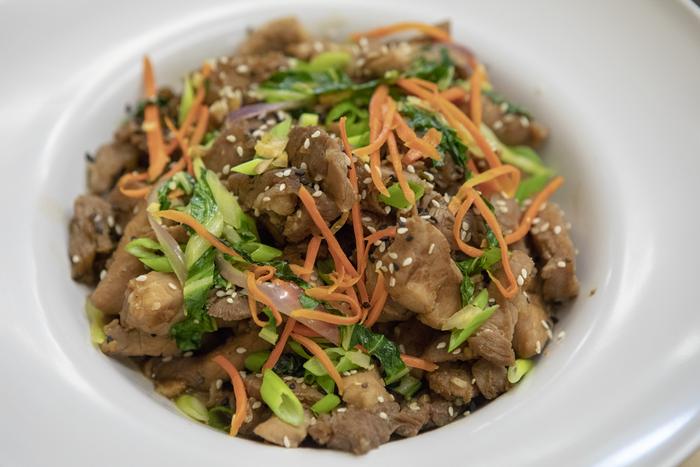
Dr. Hae-Jeung Lee, one of the senior authors of the study, pointed out the pressing need for older adults to receive adequate nutrition to support their mobility and overall quality of life. The research emphasized the potential role of pork as a carrier food. This term refers to foods that can facilitate higher consumption of accompanying healthy ingredients, such as vegetables, in a balanced diet. The study suggests that the traditional Korean dietary approach—often featuring fresh cuts of pork paired with a variety of nutrient-dense vegetables—may provide valuable insights for other countries facing similar challenges with aging populations.
While dietary habits can vary significantly across different cultures, the study advocates for recognizing and harnessing local food practices to improve health outcomes. Dr. Taylor C. Wallace emphasized that South Korea’s unique approach to pork consumption can offer lessons for countries looking to enhance the nutritional health of their older citizens. By focusing on a balanced and culturally relevant diet, nations can effectively address some of the common deficiencies experienced by older adults. This dietary strategy not only respects traditional food preferences but also encourages healthier aging across diverse populations.
In light of these findings, the research advocates for more comprehensive studies aimed at reinforcing the connection between food and health across a global spectrum. The dietary preferences linked specifically to pork consumption, though grounded in the context of South Korea, undoubtedly hold implications for other regions. Each culture has its own dietary norms, and understanding these can further develop targeted nutritional interventions for aging individuals worldwide. The call for additional research underscores the necessity of evaluating the impacts of various foods within their cultural settings.
The study’s funding by the National Pork Board indicates a commitment to exploring the nutritional benefits of pork comprehensively. The findings contribute to an evolving narrative about pork’s role as not just a flavor profile in meals, but as a significant player in public health strategies for older adults. Raising awareness about the nutritional qualities of pork could settle skepticism around its impact and carve pathways for its more prominent incorporation in healthy dietary guidelines.
The value of research like this lies in its potential to influence public health policy and dietary recommendations. As societies grapple with increasingly aging populations, understanding how specific foods can contribute to better health outcomes becomes paramount. The interrelation of nutrient intake, diet quality, and health biomarkers emerges as a narrative that not only seeks to inform but also inspires action within communities to foster nutritional education.
In conclusion, this study stands as a testament to the integral role that food plays in health, particularly among older adults. It reinforces the idea that dietary choices should be made carefully, considering both nutrition and cultural significance. By embracing foods like pork within a balanced diet, individuals can better meet their nutritional needs, support muscle health, and ultimately enhance their quality of life as they age. This research advocates for recognizing the significance of traditional diets while encouraging healthier food choices that accommodate the unique challenges faced by older adults.
Subject of Research: People
Article Title: The Relationship of Pork Meat Consumption with Nutrient Intakes, Diet Quality, and Biomarkers of Health Status in Korean Older Adults
News Publication Date: 4-Dec-2024
Web References: http://www.pork.org
References:
Jung A-J, Sharma A, Chung M, Wallace TC, Lee H-J. The relationship of pork meat consumption with nutrient intakes, diet quality, and biomarkers of health status in Korean older adults. Nutrients. 2024;16(23):4188.
Agarwal S, Fulgoni VL 3rd. Association of pork (all pork, fresh pork, and processed pork) consumption with nutrient intakes and adequacy in US children (age 2-18 years) and adults (age 19+ years): NHANES 2011-2018 analysis. Nutrients. 2023;15(10):2293.
Datlow LY, Leventhal M, King J, Wallace TC. Consumption patterns and the nutritional contribution of total, processed, fresh, and fresh-lean pork to the U.S. diet. Nutrients. 2023;15(11):2595.
Image Credits: © 2018 National Pork Board Des Moines Iowa USA
Keywords: Pork consumption, older adults, nutrition, muscle health, dietary quality, South Korea, public health, food culture.