• HOME
  • NEWS
  • EXPLORE
    • CAREER
      • Companies
      • Jobs
    • EVENTS
    • iGEM
      • News
      • Team
    • PHOTOS
    • VIDEO
    • WIKI
  • BLOG
  • COMMUNITY
    • FACEBOOK
    • INSTAGRAM
    • TWITTER
Thursday, April 2, 2026
BIOENGINEER.ORG
No Result
View All Result
  • Login
  • HOME
  • NEWS
  • EXPLORE
    • CAREER
      • Companies
      • Jobs
        • Lecturer
        • PhD Studentship
        • Postdoc
        • Research Assistant
    • EVENTS
    • iGEM
      • News
      • Team
    • PHOTOS
    • VIDEO
    • WIKI
  • BLOG
  • COMMUNITY
    • FACEBOOK
    • INSTAGRAM
    • TWITTER
  • HOME
  • NEWS
  • EXPLORE
    • CAREER
      • Companies
      • Jobs
        • Lecturer
        • PhD Studentship
        • Postdoc
        • Research Assistant
    • EVENTS
    • iGEM
      • News
      • Team
    • PHOTOS
    • VIDEO
    • WIKI
  • BLOG
  • COMMUNITY
    • FACEBOOK
    • INSTAGRAM
    • TWITTER
No Result
View All Result
Bioengineer.org
No Result
View All Result
Home NEWS Science News

NASA sees another quick Tropical Cyclone demise in South Pacific

Bioengineer by Bioengineer
February 23, 2017
in Science News
Reading Time: 1 min read
0
Share on FacebookShare on TwitterShare on LinkedinShare on RedditShare on Telegram
IMAGE

Credit: Credits: NASA/NRL

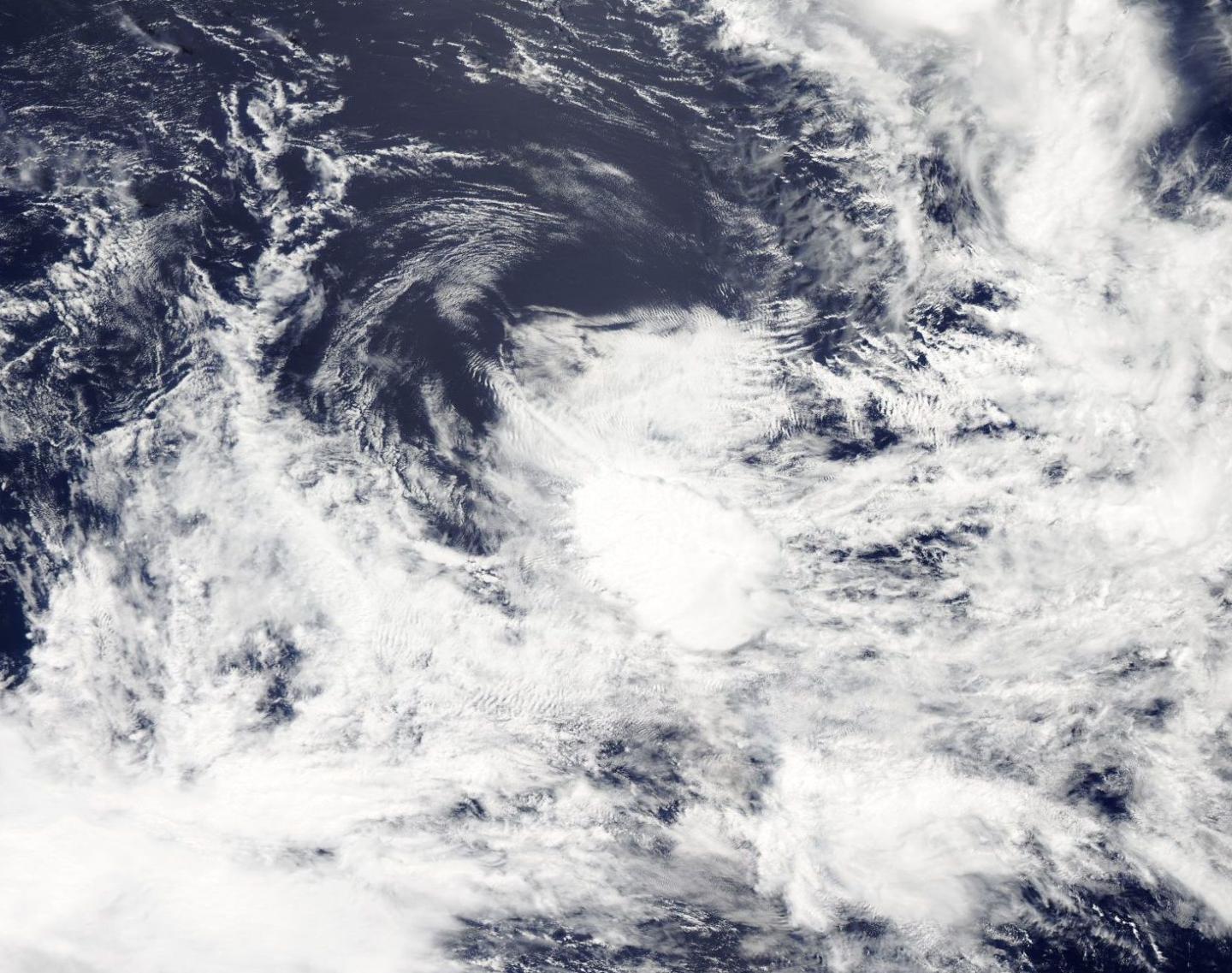
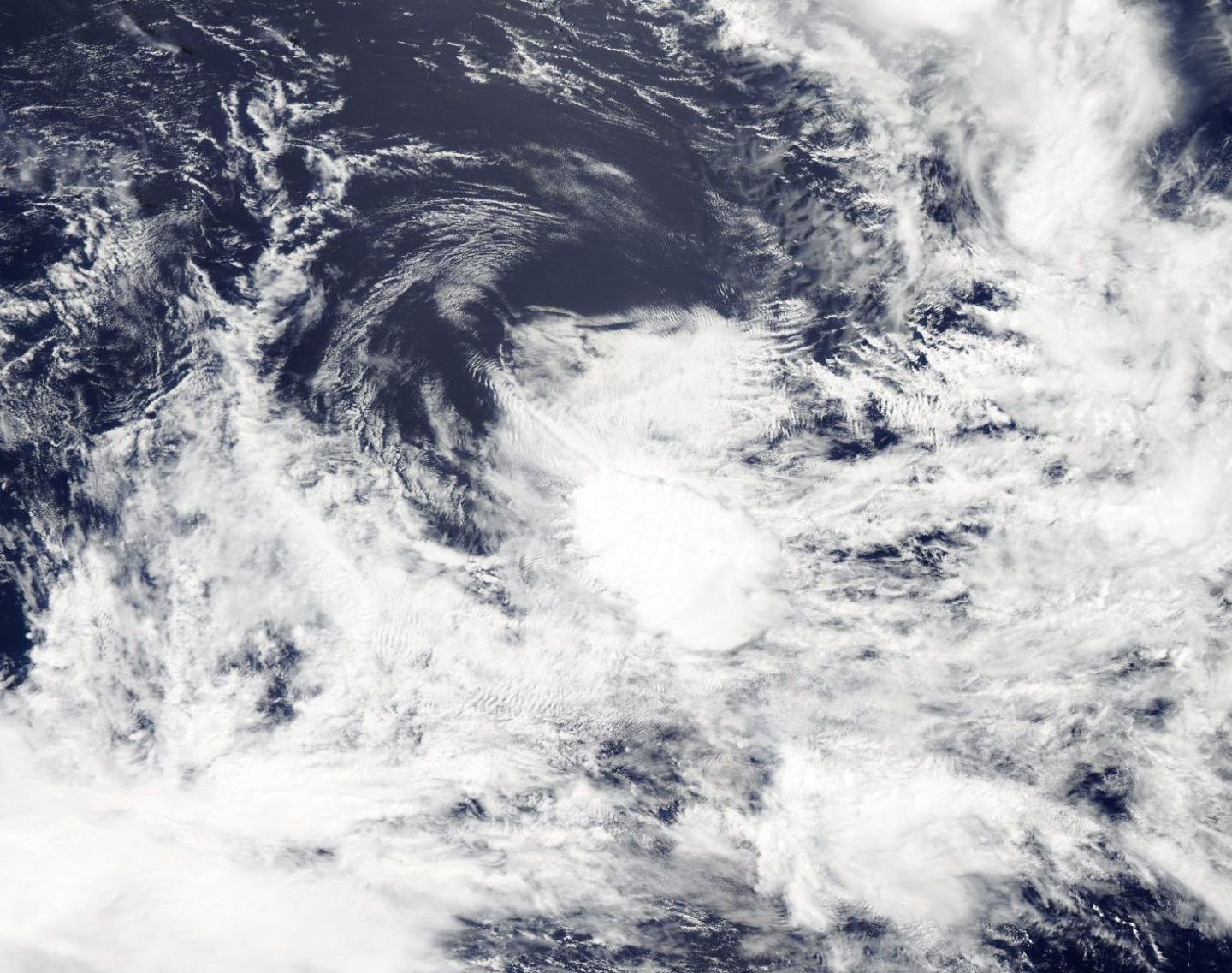
NASA's Aqua satellite captured an image of the end of Tropical Cyclone 8P as it was being sheared apart by strong vertical wind shear.

Tropical Cyclone 8P "lived and died" within two days in the Southern Pacific Ocean like Alfred and Bart before it. Wind shear was responsible for the quick demise of Bart, while landfall was the reason Alfred fizzled so quickly.

The Moderate Resolution Imaging Spectroradiometer or MODIS instrument aboard NASA's Aqua satellite captured a visible image of 8P on Feb. 22 at 2145 UTC (4:45 p.m. EST). The MODIS image showed strong northwesterly wind shear pushed the bulk of clouds and showers south of the center of circulation.

On Feb. 22 at 4 p.m. EST (2100 UTC) the Joint Typhoon Warning Center or JTWC noted 8P's maximum sustained winds were near 40 mph (35 knots/62 kph). At that time, 8P was centered near 26.6 degrees south latitude and 163.7 degrees west longitude, about 388 nautical miles south-southwest of Tonga. 8P was moving to the southeast at a speedy 40 mph (35 knots/62 kph) and over open waters of the South Pacific Ocean.

In their final warning on the system, the JTWC noted that 8P had become extra-tropical.

###

Media Contact

Rob Gutro
[email protected]
@NASAGoddard

http://www.nasa.gov/goddard

############

Story Source: Materials provided by Scienmag

Share12Tweet8Share2ShareShareShare2

Related Posts

Chemical Reprogramming Resets Epiblast Cells to Totipotency

April 2, 2026
Breakthrough Enables Infinite Recycling of Acrylic Plastics Without Environmental Impact

Breakthrough Enables Infinite Recycling of Acrylic Plastics Without Environmental Impact

April 2, 2026

How Science Can Advance and Strengthen the High Seas Treaty

April 2, 2026

Electric Dipole Moment Powers TNFR1 Signalosome

April 2, 2026
Please login to join discussion

POPULAR NEWS

  • blank

    Revolutionary AI Model Enhances Precision in Detecting Food Contamination

    96 shares
    Share 38 Tweet 24
  • Imagine a Social Media Feed That Challenges Your Views Instead of Reinforcing Them

    1007 shares
    Share 398 Tweet 249
  • Promising Outcomes from First Clinical Trials of Gene Regulation in Epilepsy

    51 shares
    Share 20 Tweet 13
  • Popular Anti-Aging Compound Linked to Damage in Corpus Callosum, Study Finds

    44 shares
    Share 18 Tweet 11

About

We bring you the latest biotechnology news from best research centers and universities around the world. Check our website.

Follow us

Recent News

Chemical Reprogramming Resets Epiblast Cells to Totipotency

Breakthrough Enables Infinite Recycling of Acrylic Plastics Without Environmental Impact

How Science Can Advance and Strengthen the High Seas Treaty

Subscribe to Blog via Email

Success! An email was just sent to confirm your subscription. Please find the email now and click 'Confirm' to start subscribing.

Join 78 other subscribers
  • Contact Us

Bioengineer.org © Copyright 2023 All Rights Reserved.

Welcome Back!

Login to your account below

Forgotten Password?

Retrieve your password

Please enter your username or email address to reset your password.

Log In
No Result
View All Result
  • Homepages
    • Home Page 1
    • Home Page 2
  • News
  • National
  • Business
  • Health
  • Lifestyle
  • Science

Bioengineer.org © Copyright 2023 All Rights Reserved.