

• HOME
  • NEWS
  • EXPLORE
    • CAREER
      • Companies
      • Jobs
    • EVENTS
    • iGEM
      • News
      • Team
    • PHOTOS
    • VIDEO
    • WIKI
  • BLOG
  • COMMUNITY
    • FACEBOOK
    • INSTAGRAM
    • TWITTER
Wednesday, April 1, 2026
BIOENGINEER.ORG
No Result
View All Result
  • Login
  • HOME
  • NEWS
  • EXPLORE
    • CAREER
      • Companies
      • Jobs
        • Lecturer
        • PhD Studentship
        • Postdoc
        • Research Assistant
    • EVENTS
    • iGEM
      • News
      • Team
    • PHOTOS
    • VIDEO
    • WIKI
  • BLOG
  • COMMUNITY
    • FACEBOOK
    • INSTAGRAM
    • TWITTER
  • HOME
  • NEWS
  • EXPLORE
    • CAREER
      • Companies
      • Jobs
        • Lecturer
        • PhD Studentship
        • Postdoc
        • Research Assistant
    • EVENTS
    • iGEM
      • News
      • Team
    • PHOTOS
    • VIDEO
    • WIKI
  • BLOG
  • COMMUNITY
    • FACEBOOK
    • INSTAGRAM
    • TWITTER
No Result
View All Result
Bioengineer.org
No Result
View All Result
Home NEWS Science News Biology

Mislabelled shark meat rampant in Australian markets, study finds

Bioengineer by Bioengineer
May 14, 2024
in Biology
Reading Time: 2 mins read
0
Scalloped_Hammerhead_Shark_Sphyrna_Lewini
Share on FacebookShare on TwitterShare on LinkedinShare on RedditShare on Telegram

Researchers at Macquarie University have found a significant portion of shark meat sold in Australian fish markets and takeaway shops is mislabelled, including several samples from threatened species.
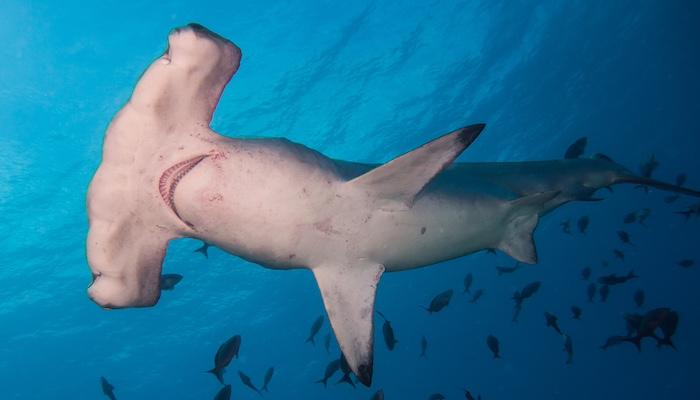
Scalloped_Hammerhead_Shark_Sphyrna_Lewini

Credit: WIKIMEDIA COMMONS Kris Mikael Krister CC BY 3.0

Researchers at Macquarie University have found a significant portion of shark meat sold in Australian fish markets and takeaway shops is mislabelled, including several samples from threatened species.

The findings, published in the journal Marine and Freshwater Research this month, highlight the ineffectiveness of seafood labelling and the grave implications for both consumer choice and shark conservation.

Researchers collected 91 samples of shark meat from 28 retailers across six Australian states and territories and used DNA barcoding to identify the species of each sample and compared it to the label applied by the retailer.

They found 70 per cent of the samples were mislabelled, either because the species did not match the label or the label did not comply with the Australian Fish Names Standard (AFNS).

Mislabelling was particularly high for samples labelled as ‘flake’, which the AFNS restricts to fish from just two sustainably caught shark species: the gummy shark and New Zealand rig shark.

They found 88 percent of samples labelled ‘flake’ were not from either of these species and nine samples sold as ‘flake’ came from species listed as threatened in Australia.

Mislabelling was markedly higher in takeaway shops compared to fish markets and wholesalers.

With many shark populations facing unprecedented declines worldwide, the research underscores the urgent need for improved labelling standards and enforcement, says co-author and research supervisor Ms Armansin.

“Ambiguous trade labels like ‘flake’ are a real hindrance to sustainable consumption,” says Ms Armansin.

Professor Stow heads the conservation genetics laboratory at Macquarie University, and says rapid DNA testing to determine what species have been caught or traded could enable large-scale monitoring of seafood supply chains.

Ms Parker Kielniacz says the study shows the importance of giving consumers access to accurate information to build a more ethical and sustainable shark meat industry.


DOI

10.1071/MF23198

Method of Research

Experimental study

Subject of Research

Animals

Article Title

High levels of mislabelling of shark flesh in Australian fish markets and seafood shops

Article Publication Date

8-May-2024

COI Statement

The authors declare that they have no known conflicts of interest associated with this publication and have received no financial support or personal benefits that could have influenced the research presented in this article.


Share12Tweet8Share2ShareShareShare2

Related Posts

Do Your Genes Influence How Lifestyle Choices Affect Aging?

Do Your Genes Influence How Lifestyle Choices Affect Aging?

April 1, 2026
Combining Single-Cell Multiomics Unlocks Precise Identification of Rare Cell Types and States

Combining Single-Cell Multiomics Unlocks Precise Identification of Rare Cell Types and States

March 31, 2026

Genetically Engineered Marmosets Pave the Way for Advancements in Human Deafness Research

March 31, 2026

How Great Hammerhead Sharks Outsmart Ocean Temperature Swings: Insights from FIU Researchers

March 31, 2026

POPULAR NEWS

  • blank

    Revolutionary AI Model Enhances Precision in Detecting Food Contamination

    96 shares
    Share 38 Tweet 24
  • Imagine a Social Media Feed That Challenges Your Views Instead of Reinforcing Them

    1006 shares
    Share 398 Tweet 249
  • Promising Outcomes from First Clinical Trials of Gene Regulation in Epilepsy

    51 shares
    Share 20 Tweet 13
  • Popular Anti-Aging Compound Linked to Damage in Corpus Callosum, Study Finds

    43 shares
    Share 17 Tweet 11

About

We bring you the latest biotechnology news from best research centers and universities around the world. Check our website.

Follow us

Recent News

Unveiling the Biological Pathways Linking Pesticides to Cancer Risk: New Study Sheds Light on Environmental Health Impacts

Inequities in Family Engagement Within the NICU

FGFR2b Links to Biomarkers, Tumor Diversity, Survival

Subscribe to Blog via Email

Enter your email address to subscribe to this blog and receive notifications of new posts by email.

Join 78 other subscribers
  • Contact Us

Bioengineer.org © Copyright 2023 All Rights Reserved.

Welcome Back!

Login to your account below

Forgotten Password?

Retrieve your password

Please enter your username or email address to reset your password.

Log In
No Result
View All Result
  • Homepages
    • Home Page 1
    • Home Page 2
  • News
  • National
  • Business
  • Health
  • Lifestyle
  • Science

Bioengineer.org © Copyright 2023 All Rights Reserved.