• HOME
  • NEWS
  • EXPLORE
    • CAREER
      • Companies
      • Jobs
    • EVENTS
    • iGEM
      • News
      • Team
    • PHOTOS
    • VIDEO
    • WIKI
  • BLOG
  • COMMUNITY
    • FACEBOOK
    • INSTAGRAM
    • TWITTER
Saturday, February 7, 2026
BIOENGINEER.ORG
No Result
View All Result
  • Login
  • HOME
  • NEWS
  • EXPLORE
    • CAREER
      • Companies
      • Jobs
        • Lecturer
        • PhD Studentship
        • Postdoc
        • Research Assistant
    • EVENTS
    • iGEM
      • News
      • Team
    • PHOTOS
    • VIDEO
    • WIKI
  • BLOG
  • COMMUNITY
    • FACEBOOK
    • INSTAGRAM
    • TWITTER
  • HOME
  • NEWS
  • EXPLORE
    • CAREER
      • Companies
      • Jobs
        • Lecturer
        • PhD Studentship
        • Postdoc
        • Research Assistant
    • EVENTS
    • iGEM
      • News
      • Team
    • PHOTOS
    • VIDEO
    • WIKI
  • BLOG
  • COMMUNITY
    • FACEBOOK
    • INSTAGRAM
    • TWITTER
No Result
View All Result
Bioengineer.org
No Result
View All Result
Home NEWS Science News

Egg-free surrogate chickens produced in bid to save rare breeds

Bioengineer by Bioengineer
February 17, 2017
in Science News
Reading Time: 2 mins read
0
Share on FacebookShare on TwitterShare on LinkedinShare on RedditShare on Telegram
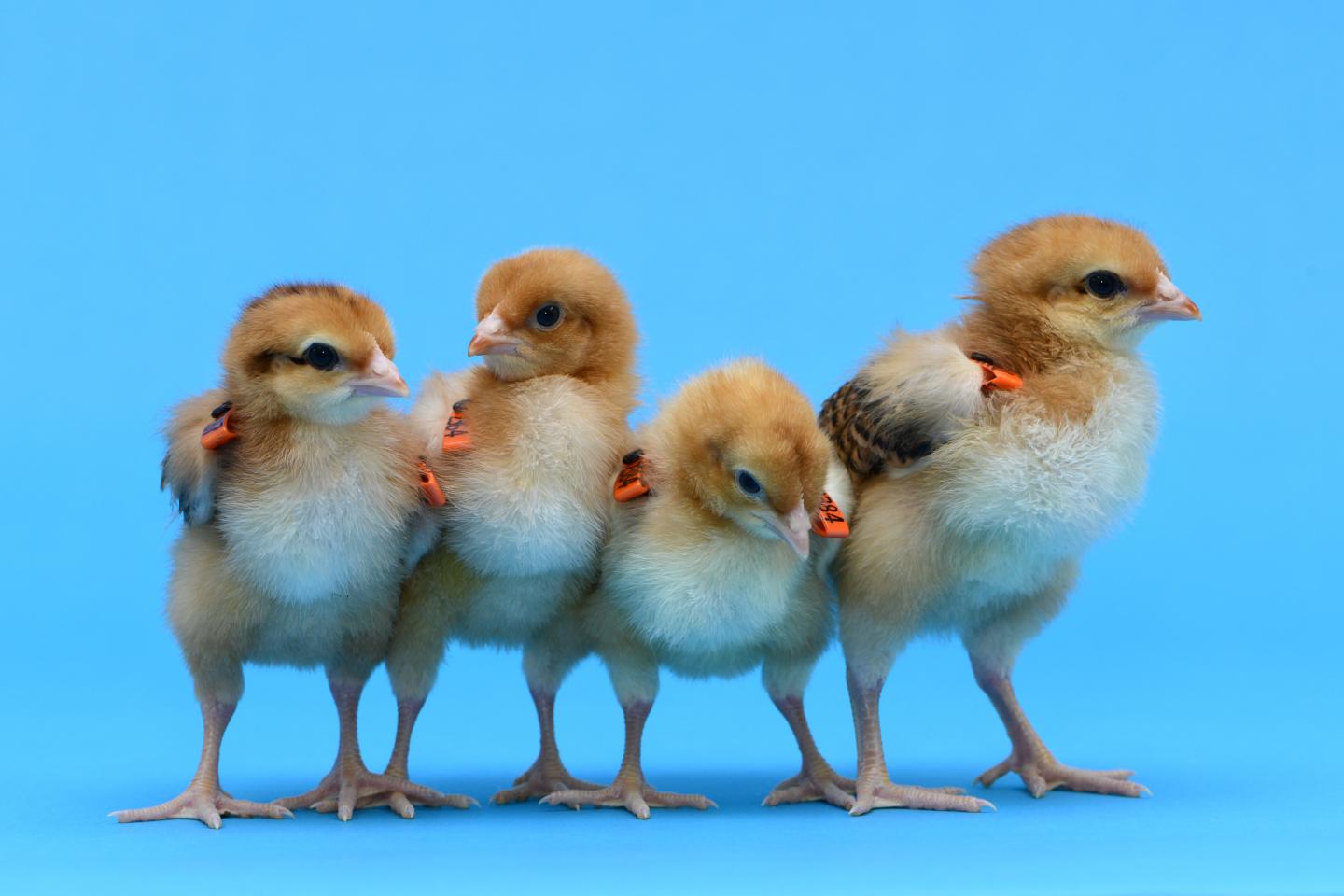
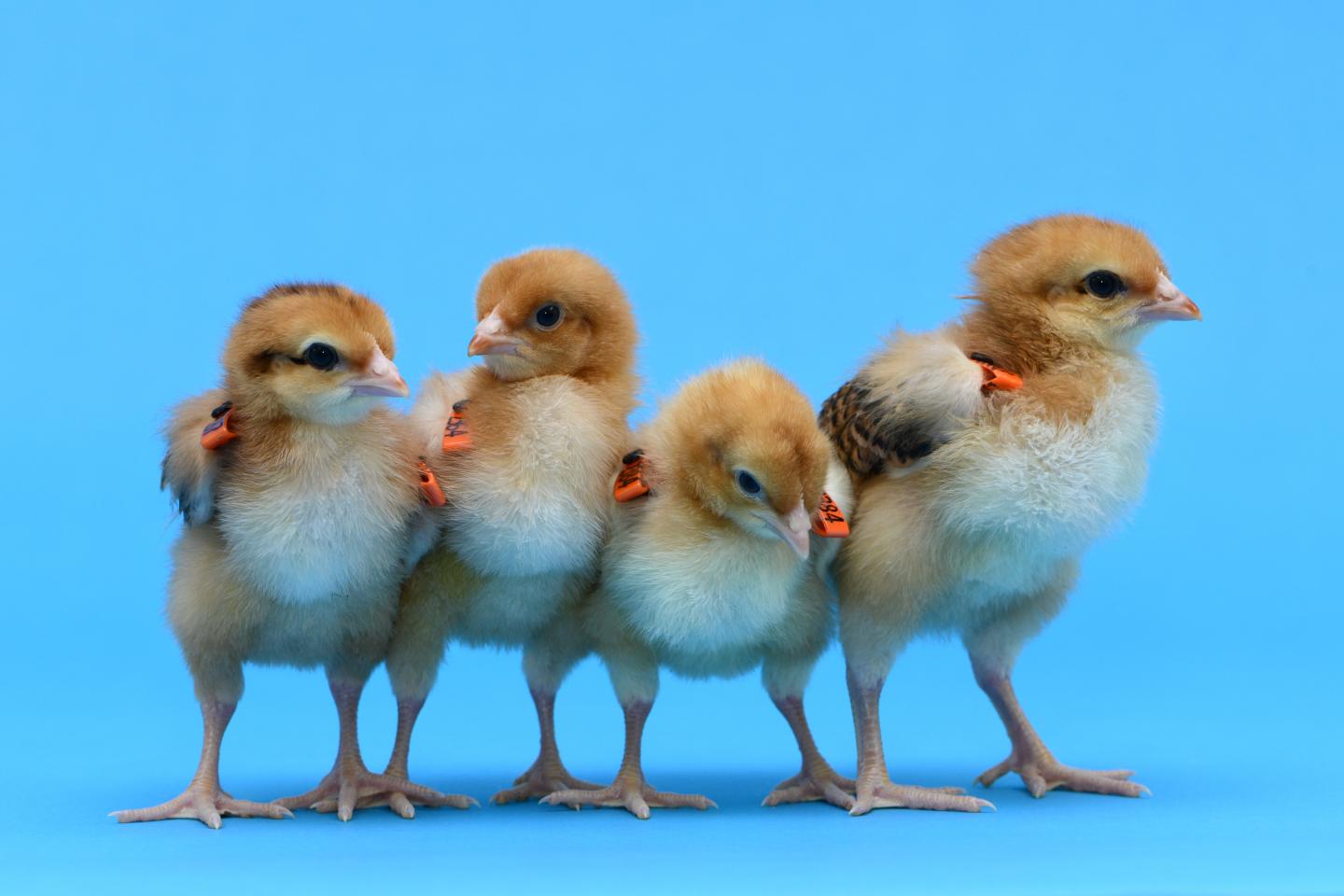
IMAGE

Credit: Norrie Russell, The Roslin Institute

Hens that do not produce their own chicks have been developed for use as surrogates to lay eggs from rare breeds.

The advance — using gene-editing techniques — could help to boost breeding of endangered birds, as well as improving production of commercial hens, researchers say.

A team led by the University of Edinburgh's Roslin Institute used a genetic tool called TALEN to delete a section of chicken DNA.

They targeted part of a gene called DDX4, which is crucial for bird fertility.

Hens with the genetic modification were unable to produce eggs but were otherwise healthy, the team found.

DDX4 plays an essential role in the generation of specialised cells — called primordial germ cells — which give rise to eggs.

Researchers say that donor primordial germ cells from other breeds could be implanted into the gene-edited chickens as they are developing inside an egg. The surrogate hens would then grow up to produce eggs containing all of the genetic information from the donor breeds.

The surrogate chickens are the first gene-edited birds to be produced in Europe. Scientists from the US biotechnology company Recombinetics also worked on the project.

The study is published in the journal Development and was funded by strategic investment from the Biotechnology and Biological Sciences Research Council.

Lead researcher Dr Mike McGrew, of the University of Edinburgh's Roslin Institute, said: "These chickens are a first step in saving and protecting rare poultry breeds from loss in order to preserve future biodiversity of our poultry from both economic and climate stresses."

###

Media Contact

Jen Middleton
[email protected]
44-779-564-0662
@edinunimedia

http://www.ed.ac.uk

############

Story Source: Materials provided by Scienmag

Share12Tweet8Share2ShareShareShare2

Related Posts

Decoding Prostate Cancer Origins via snFLARE-seq, mxFRIZNGRND

February 7, 2026

Digital Health Perspectives from Baltic Sea Experts

February 7, 2026

Florida Cane Toad: Complex Spread and Selective Evolution

February 7, 2026

Exploring Decision-Making in Dementia Caregivers’ Mobility

February 7, 2026
Please login to join discussion

POPULAR NEWS

  • Robotic Ureteral Reconstruction: A Novel Approach

    Robotic Ureteral Reconstruction: A Novel Approach

    82 shares
    Share 33 Tweet 21
  • Digital Privacy: Health Data Control in Incarceration

    63 shares
    Share 25 Tweet 16
  • Study Reveals Lipid Accumulation in ME/CFS Cells

    57 shares
    Share 23 Tweet 14
  • Breakthrough in RNA Research Accelerates Medical Innovations Timeline

    53 shares
    Share 21 Tweet 13

About

We bring you the latest biotechnology news from best research centers and universities around the world. Check our website.

Follow us

Recent News

Decoding Prostate Cancer Origins via snFLARE-seq, mxFRIZNGRND

Digital Health Perspectives from Baltic Sea Experts

Florida Cane Toad: Complex Spread and Selective Evolution

Subscribe to Blog via Email

Enter your email address to subscribe to this blog and receive notifications of new posts by email.

Join 73 other subscribers
  • Contact Us

Bioengineer.org © Copyright 2023 All Rights Reserved.

Welcome Back!

Login to your account below

Forgotten Password?

Retrieve your password

Please enter your username or email address to reset your password.

Log In
No Result
View All Result
  • Homepages
    • Home Page 1
    • Home Page 2
  • News
  • National
  • Business
  • Health
  • Lifestyle
  • Science

Bioengineer.org © Copyright 2023 All Rights Reserved.