[New York, April 2, 2024] – Rhonda Voskuhl, M.D., an internationally recognized neurologist and investigator at the University of California, Los Angeles, is the winner of the 2024 John Dystel Prize for Multiple Sclerosis Research. She is being recognized for her innovative research to understand mechanisms underlying sex differences in multiple sclerosis (MS) and advancing women’s health.
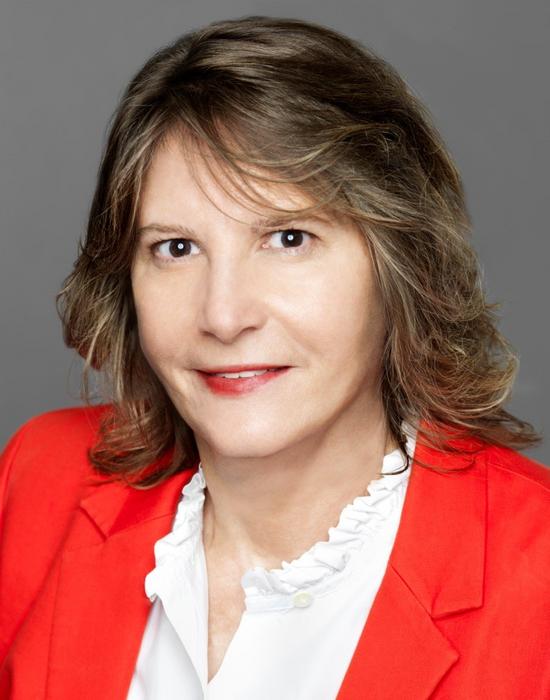
Credit: University of California, Los Angeles
[New York, April 2, 2024] – Rhonda Voskuhl, M.D., an internationally recognized neurologist and investigator at the University of California, Los Angeles, is the winner of the 2024 John Dystel Prize for Multiple Sclerosis Research. She is being recognized for her innovative research to understand mechanisms underlying sex differences in multiple sclerosis (MS) and advancing women’s health.
Women are much more susceptible than men to developing MS, an immune-mediated neurological disease. Voskuhl has conducted extensive basic and clinical research to understand why. She has made landmark discoveries related to the influence of sex hormones and sex chromosomes in laboratory models, and then translated those basic findings to the clinic. She has conducted four clinical trials investigating the effect of treatment of people with MS with sex hormones.
Voskuhl’s extensive research found that a gene on female sex chromosomes promotes inflammation. She has also explored the brain-protective effects of the sex hormone estrogen and other estrogen receptor molecules that bind to estrogen docking sites. This may eventually lead to new treatment approaches to protect the nervous system and stop MS.
Voskuhl is Director of the University of California, Los Angeles Multiple Sclerosis Program, holds the Jack H. Skirball Chair in MS, is a Professor in the UCLA Department of Neurology, and serves as Faculty Neurologist of the UCLA Comprehensive Menopause Care Program.
“Professor Voskuhl has been a driving force in elevating our understanding of the mechanisms involved in sex differences in MS,” noted Dr. Bruce Bebo, Executive Vice President, Research at the National MS Society, which administers the Dystel Prize in collaboration with the American Academy of Neurology. “She is one of very few clinician-scientists who has made basic laboratory discoveries and then translated those discoveries and tested them in clinical trials to find better treatments for people with MS.”
Previous Dystel Prize winner Anne Cross, M.D., of Washington University in St. Louis, nominated Voskuhl for the prize along with another previous winner, Lawrence Steinman, M.D., of Stanford. Cross stated, “Dr. Voskuhl has prioritized women with MS in her research approach for decades. She works in the laboratory, but she is also a neurologist and has already demonstrated her ability to translate her laboratory’s impactful research findings directly to the clinic.”
Voskuhl commented, “I am thankful to the National MS Society for their pivotal support of my work since its inception. Their stature as an organization that supports MS researchers and patients through critical programs for discovery of new treatments and supportive care strategies is unsurpassed and has been essential over the decades. Together, our mission is to improve lives. Now is a time of hope and exponential progress in the MS field.”
Voskuhl received her medical degree at Vanderbilt Medical School, completed a neurology residency at the University of Texas Southwestern Medical School, and a postdoctoral fellowship at the Neuroimmunology Branch of the National Institutes of Health. As a junior faculty member joining UCLA, she was a Harry Weaver Scholar of the National MS Society. She was the inaugural recipient of the Rachel Horne Prize for Women’s Health Research in MS, conferred at the combined 2023 meeting of the European and American Committees for Research and Treatment in MS (ECTRIMS/ACTRIMS). Dr. Voskuhl was granted an R35 Research Program Award from the National Institutes of Health in 2023, a coveted eight-year award to approximately ten neuroscientists across the U.S.
Voskuhl will deliver the Dystel Prize lecture and receive the award at the American Academy of Neurology 2024 Annual Meeting in Denver, CO, on April 14.
# # #
About the John Dystel Prize for MS Research
The Dystel Prize is awarded jointly by the National MS Society and the American Academy of Neurology. It was established in 1994 by former Society National Board member the late Oscar Dystel, and his wife the late Marion Dystel, in honor of their son, John Jay Dystel, an attorney whose promising career was cut short by progressive disability from MS, and complications of the disease that lead to his death in June 2003. Read more about other Dystel Prize winners.
About Multiple Sclerosis
Multiple sclerosis is an unpredictable disease of the central nervous system. Currently there is no cure. Symptoms vary from person to person and may include disabling fatigue, mobility challenges, cognitive changes, and vision issues. An estimated 1 million people live with MS in the United States. Early diagnosis and treatment are critical to minimize disability. Significant progress is being made to achieve a world free of MS.
About the National Multiple Sclerosis Society
The National MS Society, founded in 1946, is the global leader of a growing movement dedicated to creating a world free of MS. The Society funds cutting-edge research for a cure, drives change through advocacy and provides programs and services to help people affected by MS live their best lives. Connect to learn more and get involved: nationalMSsociety.org, Facebook, X, formerly known as Twitter, Instagram, YouTube or 1-800-344-4867.