New Curtin University research that analysed a whopping 85,000 kilograms of food donated to Foodbank WA over five days has prompted calls for an overhaul of laws and policies to ensure safe and nutritious food is available for its vulnerable clients.
Credit: Curtin University
New Curtin University research that analysed a whopping 85,000 kilograms of food donated to Foodbank WA over five days has prompted calls for an overhaul of laws and policies to ensure safe and nutritious food is available for its vulnerable clients.
Lead author PhD student Sharonna Mossenson from the Curtin School of Population Health said of the 1222 items of surplus or unsalable food donated, 96 per cent met food safety standards, while four per cent were not safe for human consumption and were disposed of by Foodbank WA.
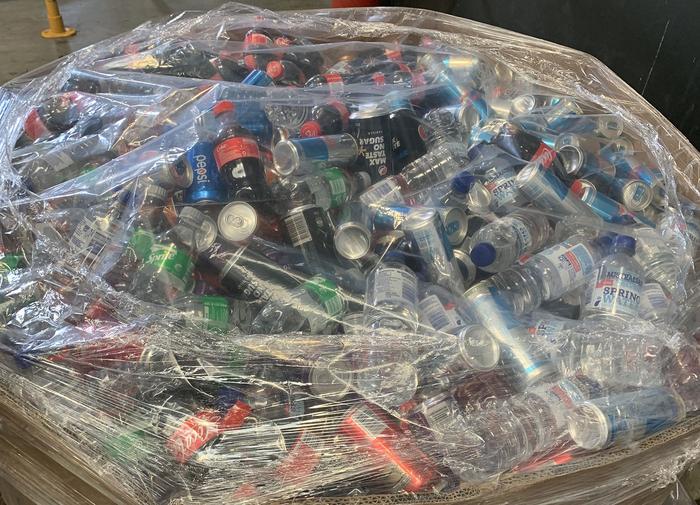
“Nutritionally poor sweet and savoury snacks were the main types of foods donated, and nutritious foods were the least commonly donated, with only six per cent of donated products being dairy foods, eight per cent being meat and 13 per cent being fruit and vegetables,” Ms Mossenson said.
“Supermarkets were responsible for 82 per cent of all sweet and savoury snacks donated and 90 per cent of soft drinks, while the type of food they donated least was fruit and vegetables.
“The Australian food relief sector plays a vital role in helping people experiencing severe food insecurity and given the health vulnerabilities of people accessing their services, these types of donations pose a health risk.
Ms Mossenson said the findings highlighted the need for donors, particularly supermarkets, to take action to improve the quality of food they donate.
“Supermarkets donated the most food overall, half of which was in small mixed loads from local supermarkets, which is a process that needs closer attention as most of the unsafe food (93 per cent) was in these mixed loads,” Ms Mossenson said.
“On average, 49 minutes was spent sorting and inspecting each load for damaged and unsafe products adding a significant burden on Foodbank WA and reducing efficiency in the system.
“While Foodbank WA has extensive processes in place to dispose of unsafe foods, the time it takes for staff and volunteers to unpack and check each donated item is substantial. Introducing explicit regulations requiring food donors to eliminate inappropriate foods before they are donated could free up Foodbank WA staff time so they can focus more on their clients.
“A food safety regulatory framework and fit-for-purpose nutrition guidelines for donated food in Australia are needed to ensure safe and healthy food is donated.”
Foodbank WA Chief Executive Officer Kate O’Hara said Foodbank WA relied on donations of surplus food across the food supply chain including from growers, manufacturers and retailers and the unknown nature of donations created challenges.
“We work closely with all our food donors including supermarkets to ensure quality nutritious food for Western Australians doing it tough,” Ms O’Hara said.
“Since this study in 2022, Foodbank WA continues to monitor its food donations and is taking a proactive approach to sourcing safe and nutritious food such as breads, breakfast cereals, tinned fruit and vegetables, dairy products and meat to support our clients to achieve a balanced diet.
“There are always improvements to be made across the entire food relief sector, particularly to ensure donations are made within a safe timeframe and appropriate refrigerated transportation and storage is utilised.”
The research papers, ‘The Nutritional Quality of Food Donated to a Western Australian food bank’ and ‘Evidence for initiating food safety policy: An assessment of the quality and safety of donated food at an Australian food bank’ were published in the journals Nutrients and Food Policy, respectively.
Journal
Nutrients
DOI
10.3390/nu16040509
Method of Research
Case study
Subject of Research
Not applicable
Article Title
The Nutritional Quality of Food Donated to a Western Australian Food Bank
Article Publication Date
11-Feb-2024