• HOME
  • NEWS
  • EXPLORE
    • CAREER
      • Companies
      • Jobs
    • EVENTS
    • iGEM
      • News
      • Team
    • PHOTOS
    • VIDEO
    • WIKI
  • BLOG
  • COMMUNITY
    • FACEBOOK
    • INSTAGRAM
    • TWITTER
Saturday, February 7, 2026
BIOENGINEER.ORG
No Result
View All Result
  • Login
  • HOME
  • NEWS
  • EXPLORE
    • CAREER
      • Companies
      • Jobs
        • Lecturer
        • PhD Studentship
        • Postdoc
        • Research Assistant
    • EVENTS
    • iGEM
      • News
      • Team
    • PHOTOS
    • VIDEO
    • WIKI
  • BLOG
  • COMMUNITY
    • FACEBOOK
    • INSTAGRAM
    • TWITTER
  • HOME
  • NEWS
  • EXPLORE
    • CAREER
      • Companies
      • Jobs
        • Lecturer
        • PhD Studentship
        • Postdoc
        • Research Assistant
    • EVENTS
    • iGEM
      • News
      • Team
    • PHOTOS
    • VIDEO
    • WIKI
  • BLOG
  • COMMUNITY
    • FACEBOOK
    • INSTAGRAM
    • TWITTER
No Result
View All Result
Bioengineer.org
No Result
View All Result
Home NEWS Science News Chemistry

UH optometrist receives $1.4 million to map the cornea

Bioengineer by Bioengineer
January 3, 2024
in Chemistry
Reading Time: 2 mins read
0
Anna Matynia, associate professor at the University of Houston College of Optometry
Share on FacebookShare on TwitterShare on LinkedinShare on RedditShare on Telegram

Consider the cornea if you will – and most people won’t unless they’re having a problem. It is the transparent front surface of the eye which allows vision by focusing light as it enters. The cornea is densely packed with multi-tasking nerves that mediate pain, blink reflexes and tear production, all indispensable tasks in the proper maintenance of ocular surface health. Because it is highly innervated, meaning it has a lot of nerve connections, the cornea is a key area for understanding sensory functions.   
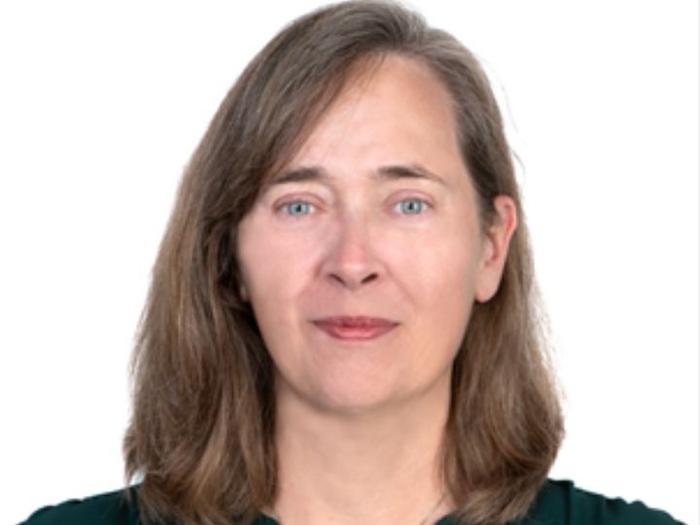
Anna Matynia, associate professor at the University of Houston College of Optometry

Credit: University of Houston

Consider the cornea if you will – and most people won’t unless they’re having a problem. It is the transparent front surface of the eye which allows vision by focusing light as it enters. The cornea is densely packed with multi-tasking nerves that mediate pain, blink reflexes and tear production, all indispensable tasks in the proper maintenance of ocular surface health. Because it is highly innervated, meaning it has a lot of nerve connections, the cornea is a key area for understanding sensory functions.   

But it is that same complexity which has made it increasingly difficult to grasp the full nature of how those corneal nerves work, resulting in key knowledge gaps in the field. A University of Houston optometrist researcher is set to fill in the gaps by mapping the cornea and providing a comprehensive analysis of corneal nerves at the morphologic, molecular and functional level. 

“We are developing methods to selectively label the neurons that innervate the cornea. These neurons make up about 1% of the population of neurons located in the trigeminal ganglia, the peripheral nervous system that mediates pain and other sensory functions,” said Anna Matynia, associate professor at the University of Houston College of Optometry.  

Matynia has received $1.4 million from Duke University via the National Eye Institute to explore new approaches to disentangle these intricate networks and discover which nerve makes people blink, which creates tears and which nerve tells us our eye is in pain.  

Matynia and her team are using advanced imaging, studying genes, and using computers to map the corneal nerves. They are also figuring out which nerves connect directly to the eye and creating a detailed map of how they’re all connected. 

“These efforts will provide critical clues for understanding corneal structure-function and will lead to an unprecedented cartography,” said Matynia. “The advancements from this work will be poised to facilitate a deeper understanding of related pathobiology including neuropathic ocular pain and dry eye disease that will lay the foundation for future translational and clinical research.” 

Matynia’s team includes Daniel R. Saban, Duke University and Victor Perez, University of Miami. 



Share12Tweet8Share2ShareShareShare2

Related Posts

blank

Breakthrough in Environmental Cleanup: Scientists Develop Solar-Activated Biochar for Faster Remediation

February 7, 2026
blank

Cutting Costs: Making Hydrogen Fuel Cells More Affordable

February 6, 2026

Scientists Develop Hand-Held “Levitating” Time Crystals

February 6, 2026

Observing a Key Green-Energy Catalyst Dissolve Atom by Atom

February 6, 2026

POPULAR NEWS

  • Robotic Ureteral Reconstruction: A Novel Approach

    Robotic Ureteral Reconstruction: A Novel Approach

    82 shares
    Share 33 Tweet 21
  • Digital Privacy: Health Data Control in Incarceration

    63 shares
    Share 25 Tweet 16
  • Study Reveals Lipid Accumulation in ME/CFS Cells

    57 shares
    Share 23 Tweet 14
  • Breakthrough in RNA Research Accelerates Medical Innovations Timeline

    53 shares
    Share 21 Tweet 13

About

We bring you the latest biotechnology news from best research centers and universities around the world. Check our website.

Follow us

Recent News

Phage-Antibiotic Combo Beats Resistant Peritoneal Infection

Boosting Remote Healthcare: Stepped-Wedge Trial Insights

Barriers and Boosters of Seniors’ Physical Activity in Karachi

Subscribe to Blog via Email

Enter your email address to subscribe to this blog and receive notifications of new posts by email.

Join 73 other subscribers
  • Contact Us

Bioengineer.org © Copyright 2023 All Rights Reserved.

Welcome Back!

Login to your account below

Forgotten Password?

Retrieve your password

Please enter your username or email address to reset your password.

Log In
No Result
View All Result
  • Homepages
    • Home Page 1
    • Home Page 2
  • News
  • National
  • Business
  • Health
  • Lifestyle
  • Science

Bioengineer.org © Copyright 2023 All Rights Reserved.