• HOME
  • NEWS
  • EXPLORE
    • CAREER
      • Companies
      • Jobs
    • EVENTS
    • iGEM
      • News
      • Team
    • PHOTOS
    • VIDEO
    • WIKI
  • BLOG
  • COMMUNITY
    • FACEBOOK
    • INSTAGRAM
    • TWITTER
Monday, August 31, 2026
BIOENGINEER.ORG
No Result
View All Result
  • Login
  • HOME
  • NEWS
  • EXPLORE
    • CAREER
      • Companies
      • Jobs
        • Lecturer
        • PhD Studentship
        • Postdoc
        • Research Assistant
    • EVENTS
    • iGEM
      • News
      • Team
    • PHOTOS
    • VIDEO
    • WIKI
  • BLOG
  • COMMUNITY
    • FACEBOOK
    • INSTAGRAM
    • TWITTER
  • HOME
  • NEWS
  • EXPLORE
    • CAREER
      • Companies
      • Jobs
        • Lecturer
        • PhD Studentship
        • Postdoc
        • Research Assistant
    • EVENTS
    • iGEM
      • News
      • Team
    • PHOTOS
    • VIDEO
    • WIKI
  • BLOG
  • COMMUNITY
    • FACEBOOK
    • INSTAGRAM
    • TWITTER
No Result
View All Result
Bioengineer.org
No Result
View All Result
Home NEWS Science News Biology

A few essential genetic differences tailor flowers to bee or hummingbird pollinators

Bioengineer by Bioengineer
September 28, 2023
in Biology
Reading Time: 3 mins read
0
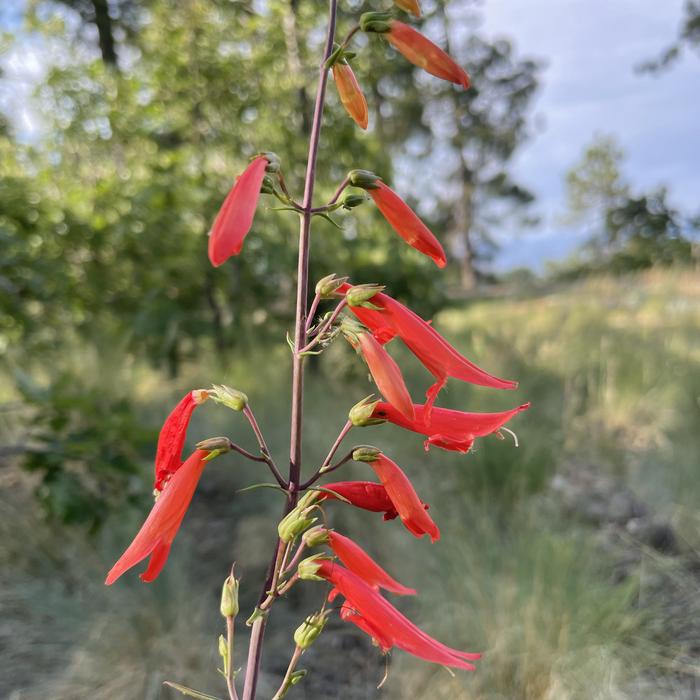
A few essential genetic differences tailor flowers to bee or hummingbird pollinators
Share on FacebookShare on TwitterShare on LinkedinShare on RedditShare on Telegram

Large differences in flower characteristics between wildflowers with different pollinators are achieved by a few key genetic differences, according to a study by Carolyn Wessinger at the University of South Carolina, US, and colleagues, publishing September 28th in the open access journal PLOS Biology.
A few essential genetic differences tailor flowers to bee or hummingbird pollinators

Credit: C. Wessinger (CC-BY 4.0, https://creativecommons.org/licenses/by/4.0/)

Large differences in flower characteristics between wildflowers with different pollinators are achieved by a few key genetic differences, according to a study by Carolyn Wessinger at the University of South Carolina, US, and colleagues, publishing September 28th in the open access journal PLOS Biology.

Plants that rely on animal pollinators, such as insects or birds, have evolved distinctive suites of flower characteristics — known as “pollination syndromes” — that are tailored to the pollinator. For example, most plants in the Penstemon genus have wide, blue flowers that provide a landing pad for bees, but some species have evolved narrow, red, tube-like flowers that are adapted for pollination by hummingbirds.

To understand how these pollination syndromes are maintained at the genetic level, researchers sequenced the DNA of 229 plants from three related Penstemon species: two adapted for pollination by bees (P. neomexicanus and P. virgatus), and one that has adapted to hummingbird pollination (P. barbatus).

They found surprisingly few genetic differences that distinguish P. barbatus from its bee-pollinated relatives, despite large differences in flower characteristics. Overall, plants from the same region were more genetically similar than geographically more distant individuals, regardless of species, suggesting that there is genetic mixing between bee- and hummingbird-adapted wildflowers. However, they identified 21 sites that consistently differed between species with different pollinators. These sites are distributed across the genome, making it more likely that the complementary suite of flower traits might be broken apart by recombination (the shuffling of maternal and paternal genes that occurs when gametes are made), creating less successful hybrids. Three of the genetic differences are close to genomic locations involved in flower color, width and nectar volume, traits that are distinctive to the different pollination syndromes.

The authors say that rare hybridization events between neighboring bee- and hummingbird-pollinated Penstemon species, combined with strong selection to maintain suites of flower characteristics adapted to each pollinator, could explain the results.

Dr Wessinger notes: “Although bee- vs. hummingbird-pollinated species are easily distinguished in the field, based on unmistakable differences in flowers and the overall stature of the plant, a surprisingly small number of genetic regions distinguish these different species at the genetic level.”

#####

In your coverage, please use this URL to provide access to the freely available paper in PLOS Biology: http://journals.plos.org/plosbiology/article?id=10.1371/journal.pbio.3002294

Citation: Wessinger CA, Katzer AM, Hime PM, Rausher MD, Kelly JK, Hileman LC (2023) A few essential genetic loci distinguish Penstemon species with flowers adapted to pollination by bees or hummingbirds. PLoS Biol 21(9): e3002294. https://doi.org/10.1371/journal.pbio.3002294

Author Countries: United States

Funding: see manuscript


Journal

PLoS Biology

DOI

10.1371/journal.pbio.3002294

Method of Research

Experimental study

Subject of Research

Not applicable

COI Statement

Competing interests: The authors have declared that no competing interests exist.
Share12Tweet8Share2ShareShareShare2

Related Posts

Gastrointestinal Parasitism in Cattle and Water Buffaloes in Pakistan: Prevalence and Associated Risk Factors

Gastrointestinal Parasitism in Cattle and Water Buffaloes in Pakistan: Prevalence and Associated Risk Factors

August 31, 2026
Development of HPLC–PDA method for steviol glycosides analysis in food matrices

Development of HPLC–PDA method for steviol glycosides analysis in food matrices

August 31, 2026

Gut microbial alterations and functional shifts in patients with hypertriglyceridemia: insights from a northwestern Chinese metagenomic study

August 31, 2026

Ant colonies show varied disease susceptibility and grooming across social levels

August 31, 2026

POPULAR NEWS

  • Development of a machine-learning risk stratification tool for vasoactive medication need after two-bolus fluid resuscitation in pediatric suspected sepsis

    29 shares
    Share 12 Tweet 7
  • Method for quantification of microplastic release from plastic-based materials during weathering

    29 shares
    Share 12 Tweet 7
  • Machine Learning Model Development and Evaluation for Non-contact Lower Limb Injury Risk Prediction in Elite Male Rugby Union: A Multi-team, Multi-season Analysis

    29 shares
    Share 12 Tweet 7
  • Gastrointestinal Parasitism in Cattle and Water Buffaloes in Pakistan: Prevalence and Associated Risk Factors

    29 shares
    Share 12 Tweet 7

About

BIOENGINEER.ORG

We bring you the latest biotechnology news from best research centers and universities around the world. Check our website.

Follow us

Recent News

Development of a machine-learning risk stratification tool for vasoactive medication need after two-bolus fluid resuscitation in pediatric suspected sepsis

Method for quantification of microplastic release from plastic-based materials during weathering

Machine Learning Model Development and Evaluation for Non-contact Lower Limb Injury Risk Prediction in Elite Male Rugby Union: A Multi-team, Multi-season Analysis

Subscribe to Blog via Email

Enter your email address to subscribe to this blog and receive notifications of new posts by email.

Join 85 other subscribers
  • Contact Us

Bioengineer.org © Copyright 2023 All Rights Reserved.

Welcome Back!

Login to your account below

Forgotten Password?

Retrieve your password

Please enter your username or email address to reset your password.

Log In
No Result
View All Result
  • Homepages
    • Home Page 1
    • Home Page 2
  • News
  • National
  • Business
  • Health
  • Lifestyle
  • Science

Bioengineer.org © Copyright 2023 All Rights Reserved.