• HOME
  • NEWS
  • EXPLORE
    • CAREER
      • Companies
      • Jobs
    • EVENTS
    • iGEM
      • News
      • Team
    • PHOTOS
    • VIDEO
    • WIKI
  • BLOG
  • COMMUNITY
    • FACEBOOK
    • INSTAGRAM
    • TWITTER
Saturday, February 7, 2026
BIOENGINEER.ORG
No Result
View All Result
  • Login
  • HOME
  • NEWS
  • EXPLORE
    • CAREER
      • Companies
      • Jobs
        • Lecturer
        • PhD Studentship
        • Postdoc
        • Research Assistant
    • EVENTS
    • iGEM
      • News
      • Team
    • PHOTOS
    • VIDEO
    • WIKI
  • BLOG
  • COMMUNITY
    • FACEBOOK
    • INSTAGRAM
    • TWITTER
  • HOME
  • NEWS
  • EXPLORE
    • CAREER
      • Companies
      • Jobs
        • Lecturer
        • PhD Studentship
        • Postdoc
        • Research Assistant
    • EVENTS
    • iGEM
      • News
      • Team
    • PHOTOS
    • VIDEO
    • WIKI
  • BLOG
  • COMMUNITY
    • FACEBOOK
    • INSTAGRAM
    • TWITTER
No Result
View All Result
Bioengineer.org
No Result
View All Result
Home NEWS Science News

New brain target for potential treatment of social pathology in autism spectrum disorder

Bioengineer by Bioengineer
February 7, 2017
in Science News
Reading Time: 2 mins read
0
Share on FacebookShare on TwitterShare on LinkedinShare on RedditShare on Telegram
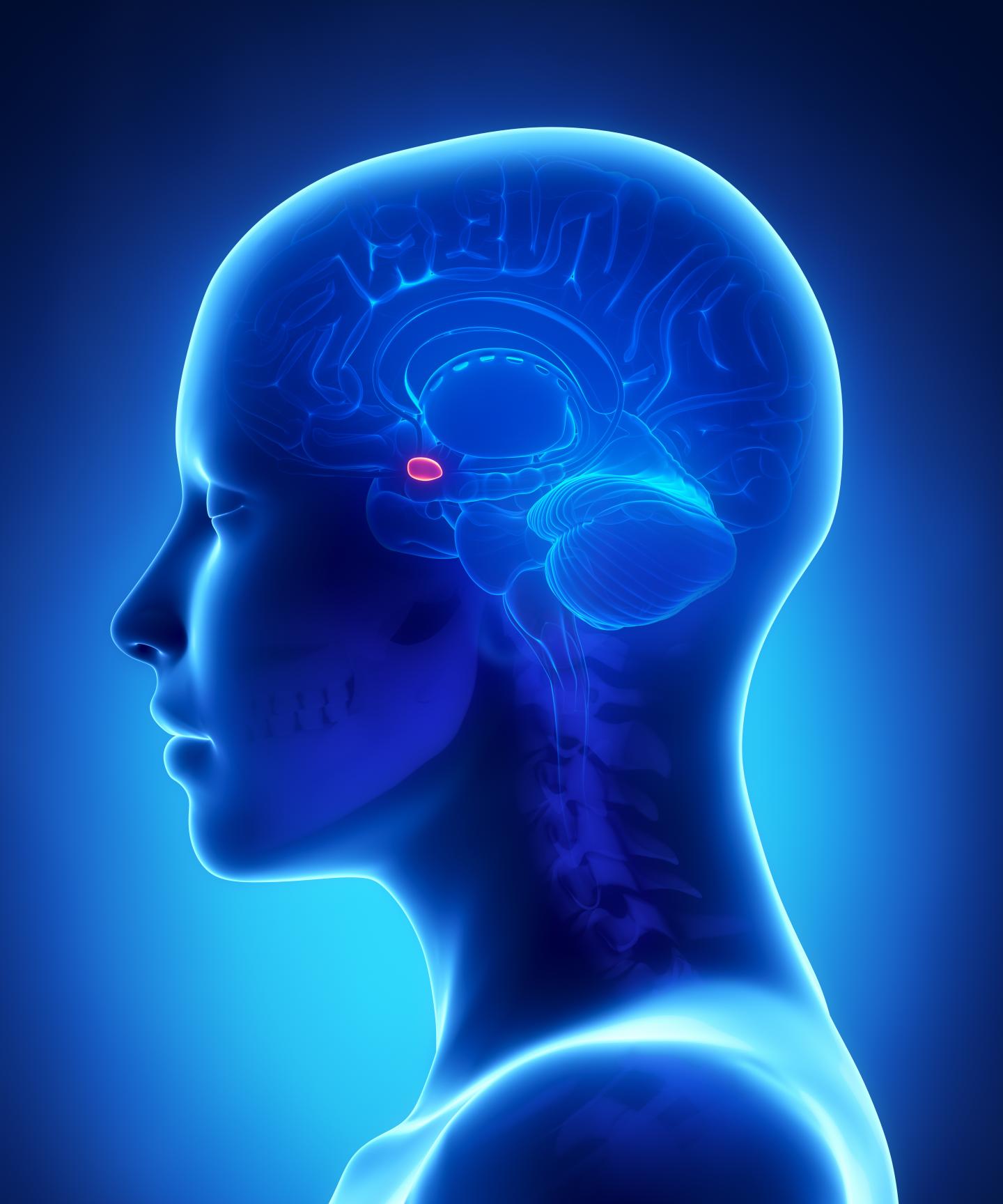
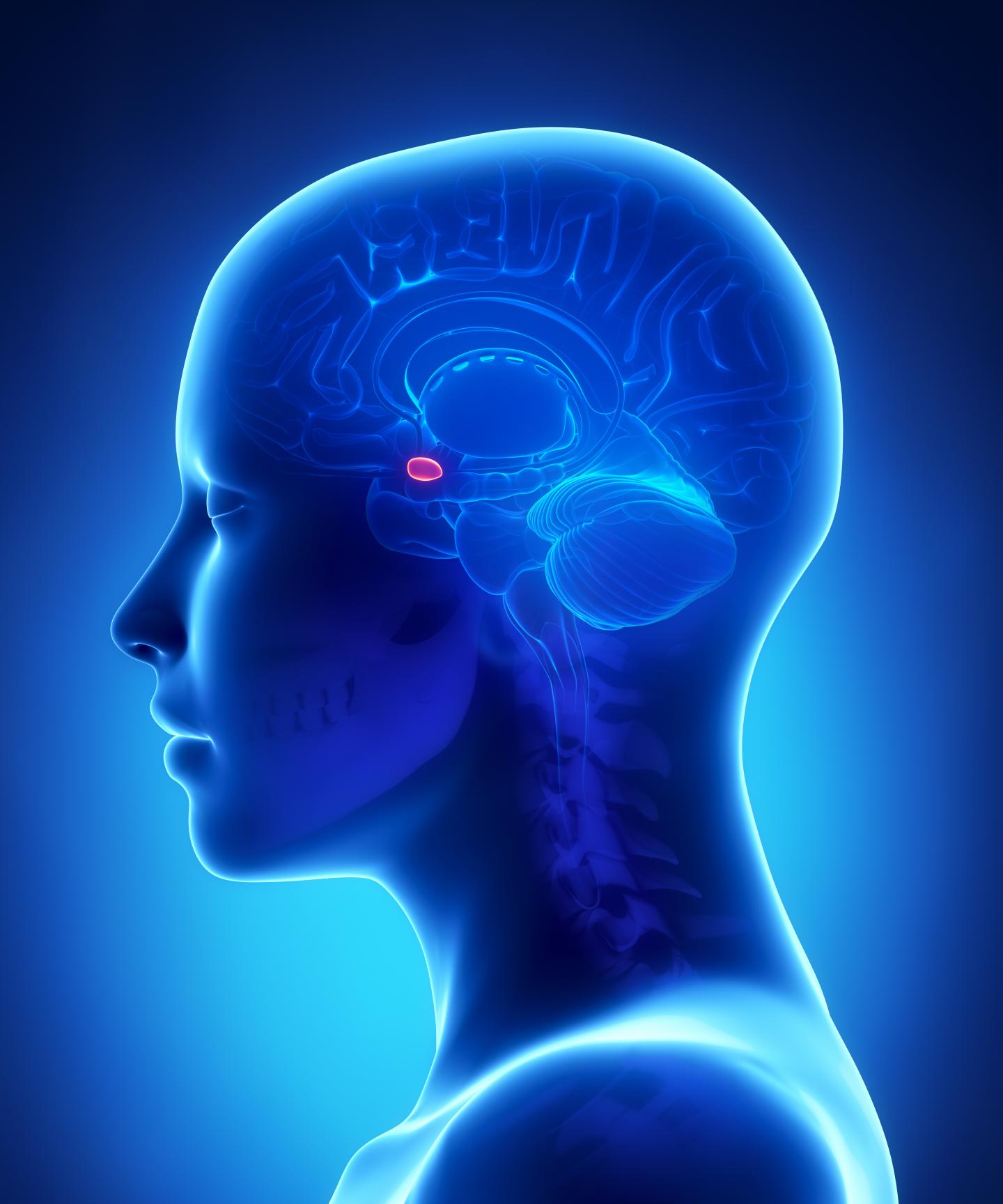
IMAGE

Credit: Rosalind Franklin University

Researchers at Rosalind Franklin University of Medicine and Science have induced empathy-like behavior by identifying then manipulating a brain circuit in an experimental model, an indication that new strategies may help people with autism spectrum disorder (ASD) gain social abilities.

According to the Centers for Disease Control, one in 68 children is living with an ASD, the fastest-growing developmental disorder in the U.S., with associated costs estimated at between $12 billion and $61 billion.

ASD can impair empathy, the ability to share and understand the feelings of others, which is aided by the ability to read facial expression, tone of voice and other social cues.

The study, led by Chicago Medical School Professor Amiel Rosenkranz, Department of Cellular and Molecular Pharmacology, sheds light on the specific role of the amygdala, an often overlooked brain region, in social behavior and its pathology in autism. There are no approved pharmacological approaches that target the social impairments in ASD. The development of new approaches requires a better understanding of the neural changes that cause the main symptoms of ASD. This study is a major step toward that goal.

Published Jan. 23 in the journal Nature Neuroscience, the findings change the conceptualization of the brain regions important in empathy and provide the rationale to target the amygdala in certain forms of ASD.

Investigators measured the empathy-like responses of a rodent while witnessing an "actor" rodent respond to a mild "startle." The "witness" quickly developed behaviors that matched the startled subject, reflecting a behavior that is a foundation for empathy. In addition, the witness learned that the emotional cues produced by the actor indicate that something in the environment may be dangerous. However, when parts of the amygdala were shut down, the witness did not show empathy-like responses toward the other. Specifically, the medial amygdala was required for the witness to display empathy, while a circuit from the lateral nucleus of the amygdala to the medial (LA-MeA) was required to learn that the behavior of the actor signaled danger in the environment.

To gain insight into the relevance of these findings for ASD, the study then examined impaired empathy caused by experimental deletion of Nrxn1, an analog of a human autism-associated gene (NRXN). Deletion of Nrxn1 was associated with a lack of empathy-like behavior in the witness, which investigators found to be correlated with poor neuronal function in the LA-MeA circuit. Switching on the LA-MeA circuit in the non-empathic witness led to the emergence of empathic behaviors. The findings identify a specific anatomy in the amygdala that may underlie empathy and demonstrate a particular pathology in the amygdala that may induce social difficulties caused by autism-related mutations.

###

Media Contact

Judith Masterson
[email protected]
847-578-8313
@RFUniversity

http://www.rosalindfranklin.edu

############

Story Source: Materials provided by Scienmag

Share12Tweet8Share2ShareShareShare2

Related Posts

Evaluating Pediatric Emergency Care Quality in Ethiopia

February 7, 2026

TPMT Expression Predictions Linked to Azathioprine Side Effects

February 7, 2026

Improving Dementia Care with Enhanced Activity Kits

February 7, 2026

Decoding Prostate Cancer Origins via snFLARE-seq, mxFRIZNGRND

February 7, 2026
Please login to join discussion

POPULAR NEWS

  • Robotic Ureteral Reconstruction: A Novel Approach

    Robotic Ureteral Reconstruction: A Novel Approach

    82 shares
    Share 33 Tweet 21
  • Digital Privacy: Health Data Control in Incarceration

    63 shares
    Share 25 Tweet 16
  • Study Reveals Lipid Accumulation in ME/CFS Cells

    57 shares
    Share 23 Tweet 14
  • Breakthrough in RNA Research Accelerates Medical Innovations Timeline

    53 shares
    Share 21 Tweet 13

About

We bring you the latest biotechnology news from best research centers and universities around the world. Check our website.

Follow us

Recent News

Evaluating Pediatric Emergency Care Quality in Ethiopia

TPMT Expression Predictions Linked to Azathioprine Side Effects

Improving Dementia Care with Enhanced Activity Kits

Subscribe to Blog via Email

Enter your email address to subscribe to this blog and receive notifications of new posts by email.

Join 73 other subscribers
  • Contact Us

Bioengineer.org © Copyright 2023 All Rights Reserved.

Welcome Back!

Login to your account below

Forgotten Password?

Retrieve your password

Please enter your username or email address to reset your password.

Log In
No Result
View All Result
  • Homepages
    • Home Page 1
    • Home Page 2
  • News
  • National
  • Business
  • Health
  • Lifestyle
  • Science

Bioengineer.org © Copyright 2023 All Rights Reserved.