• HOME
  • NEWS
  • EXPLORE
    • CAREER
      • Companies
      • Jobs
    • EVENTS
    • iGEM
      • News
      • Team
    • PHOTOS
    • VIDEO
    • WIKI
  • BLOG
  • COMMUNITY
    • FACEBOOK
    • INSTAGRAM
    • TWITTER
Saturday, February 7, 2026
BIOENGINEER.ORG
No Result
View All Result
  • Login
  • HOME
  • NEWS
  • EXPLORE
    • CAREER
      • Companies
      • Jobs
        • Lecturer
        • PhD Studentship
        • Postdoc
        • Research Assistant
    • EVENTS
    • iGEM
      • News
      • Team
    • PHOTOS
    • VIDEO
    • WIKI
  • BLOG
  • COMMUNITY
    • FACEBOOK
    • INSTAGRAM
    • TWITTER
  • HOME
  • NEWS
  • EXPLORE
    • CAREER
      • Companies
      • Jobs
        • Lecturer
        • PhD Studentship
        • Postdoc
        • Research Assistant
    • EVENTS
    • iGEM
      • News
      • Team
    • PHOTOS
    • VIDEO
    • WIKI
  • BLOG
  • COMMUNITY
    • FACEBOOK
    • INSTAGRAM
    • TWITTER
No Result
View All Result
Bioengineer.org
No Result
View All Result
Home NEWS Science News Health

Morris Animal Foundation-funded researchers establish new reptile cell lines

Bioengineer by Bioengineer
August 4, 2023
in Health
Reading Time: 2 mins read
0
Yellow and white snake
Share on FacebookShare on TwitterShare on LinkedinShare on RedditShare on Telegram

DENVER/Aug. 4, 2023 – A recent scientific paper published in the journal Microorganisms highlights the development of the first broad range of reptile cell lines, a significant feat that researchers say will help advance reptile conservation.
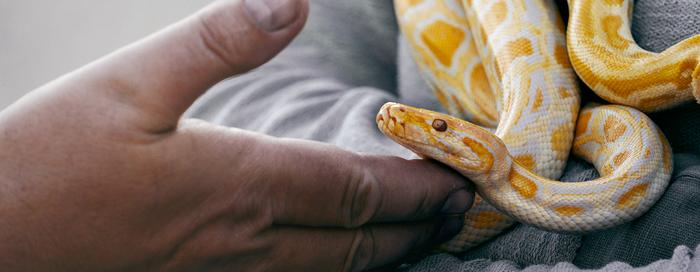
Yellow and white snake

Credit: Kamil Zubrzycki

DENVER/Aug. 4, 2023 – A recent scientific paper published in the journal Microorganisms highlights the development of the first broad range of reptile cell lines, a significant feat that researchers say will help advance reptile conservation.

In the study, which was funded by Morris Animal Foundation and conducted by researchers at the University of Florida College of Veterinary Medicine, researchers established cell lines from a variety of reptiles, including crocodilians, snakes, turtles, tortoises and lizards. Cell lines are populations of cells from multicellular organisms that have been grown in a laboratory and can be used for a variety of research purposes, such as vaccine production and drug testing. In addition, cell lines can replace the need for live animals in scientific research, a significant advancement for animal welfare.

“This is going to provide a set of tools that previously was entirely unavailable,” said Dr. Robert J. Ossiboff, the lead investigator in the study and a clinical associate professor at UF. “It’s hopefully going to push reptile disease research into the next generation.”

Ossiboff said funding for studies like this one is vital as work related to reptile and amphibian diseases continually lags research for almost all other animal species.

“When you have species that are not your charismatic megafauna – not everyone loves them all the time – it’s really hard to find that type of funding,” he said. “That’s why Morris Animal Foundation is so essential.”

About Morris Animal Foundation
Morris Animal Foundation’s mission is to bridge science and resources to advance the health of animals. Founded in 1948 and headquartered in Denver, it is one of the largest nonprofit animal health research organizations in the world, funding nearly $160 million in more than 3,000 critical animal health studies to date across a broad range of species. Learn more at morrisanimalfoundation.org. 

Media Contact: Annie Mehl


Journal

Microorganisms

Article Title

In Vitro Characterization and Antiviral Susceptibility of Ophidian Serpentoviruses
Share12Tweet8Share2ShareShareShare2

Related Posts

Succinate Receptor 1 Limits Blood Cell Formation, Leukemia

February 7, 2026

Palmitoylation of Tfr1 Drives Platelet Ferroptosis and Exacerbates Liver Damage in Heat Stroke

February 7, 2026

Oxygen-Enhanced Dual-Section Microneedle Patch Improves Drug Delivery and Boosts Photodynamic and Anti-Inflammatory Treatment for Psoriasis

February 7, 2026

Scientists Identify SARS-CoV-2 PLpro and RIPK1 Inhibitors Showing Potent Synergistic Antiviral Effects in Mouse COVID-19 Model

February 7, 2026

POPULAR NEWS

  • Robotic Ureteral Reconstruction: A Novel Approach

    Robotic Ureteral Reconstruction: A Novel Approach

    82 shares
    Share 33 Tweet 21
  • Digital Privacy: Health Data Control in Incarceration

    63 shares
    Share 25 Tweet 16
  • Study Reveals Lipid Accumulation in ME/CFS Cells

    57 shares
    Share 23 Tweet 14
  • Breakthrough in RNA Research Accelerates Medical Innovations Timeline

    53 shares
    Share 21 Tweet 13

About

We bring you the latest biotechnology news from best research centers and universities around the world. Check our website.

Follow us

Recent News

Succinate Receptor 1 Limits Blood Cell Formation, Leukemia

Palmitoylation of Tfr1 Drives Platelet Ferroptosis and Exacerbates Liver Damage in Heat Stroke

Oxygen-Enhanced Dual-Section Microneedle Patch Improves Drug Delivery and Boosts Photodynamic and Anti-Inflammatory Treatment for Psoriasis

Subscribe to Blog via Email

Enter your email address to subscribe to this blog and receive notifications of new posts by email.

Join 73 other subscribers
  • Contact Us

Bioengineer.org © Copyright 2023 All Rights Reserved.

Welcome Back!

Login to your account below

Forgotten Password?

Retrieve your password

Please enter your username or email address to reset your password.

Log In
No Result
View All Result
  • Homepages
    • Home Page 1
    • Home Page 2
  • News
  • National
  • Business
  • Health
  • Lifestyle
  • Science

Bioengineer.org © Copyright 2023 All Rights Reserved.