A new study highlights potential causes for changing foraging habits of bumblebees. Using advanced molecular techniques called pollen metabarcoding, researchers investigated interactions between bumblebees and plants in Cuxhaven, Germany, and how they changed over 60 years. Their findings can help us understand the connections between availability of floral resources and changing landscapes.
The study, led by the Botany Department of the University of Kassel (Germany) in collaboration with the Leibniz Institute for the Analysis of Biodiversity Change (Germany), used bumblebee specimens from historical museum collections dating back to 1968/69 and compared them with bumblebees collected in the field in 2019. By analyzing pollen samples attached to the bodies of the bees, the researchers were able to identify the plant species they had interacted with.
The results revealed significant shifts in the foraging habits of bumblebees between the late 1960s and more recent sampling periods. In particular, there was a noticeable decrease in interactions with Fabaceae plants in 2019 compared to the past. “This suggests that changes in the landscape have led to alterations in the availability of floral resources, which may contribute to the decline of specialized bee species,” the researchers explain.
“The successful application of scalable molecular techniques to analyze historical pollen samples highlights the value of museum collections as a valuable resource for biodiversity research,” they add. “This study, published in the journal Metabarcoding and Metagenomics, serves as a proof of concept for comparative analysis of recent and historical pollination data, providing important insights into the changes in foraging trends of bumblebees over time.”
“In conclusion, this study contributes to our understanding of bumblebee interactions with foraging resources and the impact of landscape changes on their foraging habits,” say the researchers. Their findings underscore the importance of conserving and restoring suitable habitats for pollinators.
“Future research in this field is expected to provide valuable insights for the conservation and management of pollinators and their critical role in maintaining ecosystems,” they conclude.
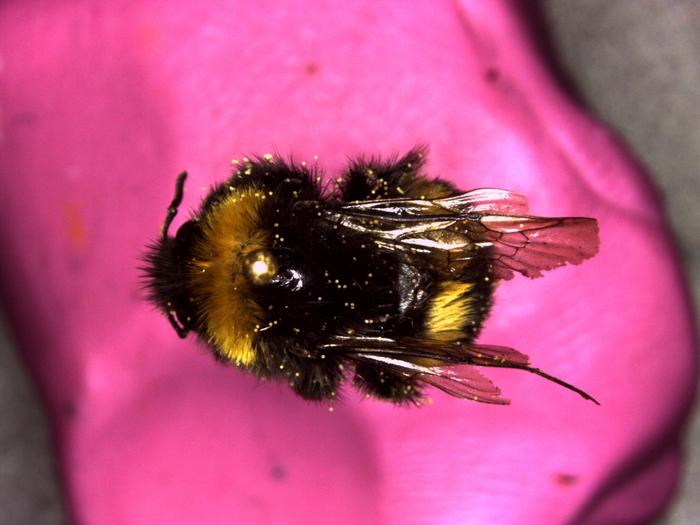
Credit: Andreas Kolter
A new study highlights potential causes for changing foraging habits of bumblebees. Using advanced molecular techniques called pollen metabarcoding, researchers investigated interactions between bumblebees and plants in Cuxhaven, Germany, and how they changed over 60 years. Their findings can help us understand the connections between availability of floral resources and changing landscapes.
The study, led by the Botany Department of the University of Kassel (Germany) in collaboration with the Leibniz Institute for the Analysis of Biodiversity Change (Germany), used bumblebee specimens from historical museum collections dating back to 1968/69 and compared them with bumblebees collected in the field in 2019. By analyzing pollen samples attached to the bodies of the bees, the researchers were able to identify the plant species they had interacted with.
The results revealed significant shifts in the foraging habits of bumblebees between the late 1960s and more recent sampling periods. In particular, there was a noticeable decrease in interactions with Fabaceae plants in 2019 compared to the past. “This suggests that changes in the landscape have led to alterations in the availability of floral resources, which may contribute to the decline of specialized bee species,” the researchers explain.
“The successful application of scalable molecular techniques to analyze historical pollen samples highlights the value of museum collections as a valuable resource for biodiversity research,” they add. “This study, published in the journal Metabarcoding and Metagenomics, serves as a proof of concept for comparative analysis of recent and historical pollination data, providing important insights into the changes in foraging trends of bumblebees over time.”
“In conclusion, this study contributes to our understanding of bumblebee interactions with foraging resources and the impact of landscape changes on their foraging habits,” say the researchers. Their findings underscore the importance of conserving and restoring suitable habitats for pollinators.
“Future research in this field is expected to provide valuable insights for the conservation and management of pollinators and their critical role in maintaining ecosystems,” they conclude.
Original source:
Kolter A, Husemann M, Podsiadlowski L, Gemeinholzer B (2023) Pollen metabarcoding of museum specimens and recently collected bumblebees (Bombus) indicates foraging shifts. Metabarcoding and Metagenomics 7: e86883. https://doi.org/10.3897/mbmg.7.86883
DOI
10.3897/mbmg.7.86883
Article Title
Pollen metabarcoding of museum specimens and recently collected bumblebees (Bombus) indicates foraging shifts
Article Publication Date
5-Jul-2023