Credit: © 2017 The American Society of Hematology
(WASHINGTON, January 31, 2017) — New research suggests that young patients with acute lymphocytic leukemia (ALL) — the most common type of pediatric cancer — and their and their parents are likely to report to their physician that they took more of their anti-cancer medication than they actually did.
The study, published online today in Blood the Journal of the American Society of Hematology (ASH), reports that 84 percent of patients with ALL or their parents over-reported adherence to a regimen of 6-mercaptopurine (6MP), an oral maintenance therapy for pediatric ALL. Physicians prescribe 6MP for two years after chemotherapy for patients to achieve durable remissions, but studies show that over 95 percent of prescribed doses must be taken to be effective.
"Because this therapy is administered orally every day, we cannot supervise our patients to make sure they are taking their pills," said senior study author Smita Bhatia, MD, MPH, of the University of Alabama at Birmingham. "Findings from this study suggest that we need better ways to monitor intake of medications as prescribed."
This study builds on trends observed among children with chronic illness with at-home treatment regimens, and is the first to directly compare self-reporting against electronic monitoring in pediatric cancer patients.
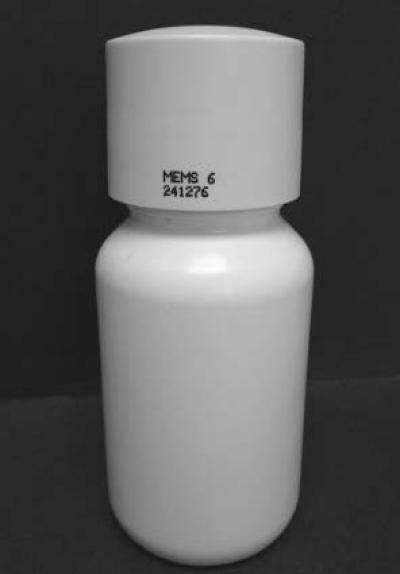
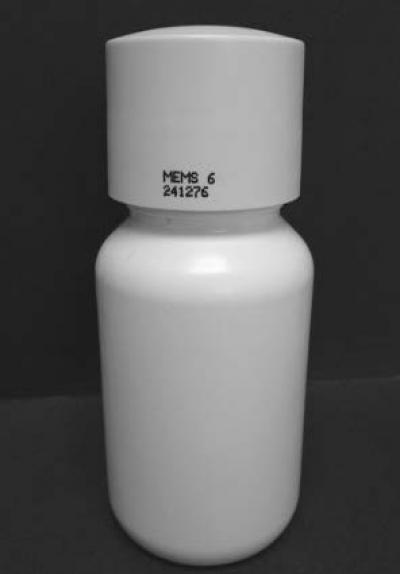
Dr. Bhatia and colleagues gave 416 pediatric ALL patients from 87 participating institutions across the United States prescription pill bottles for their 6MP that contained a microprocessor chip in the cap to log the date and time the bottle was opened. These logs were then compared against self-report questionnaires completed by patients or their parents and provided to their physicians at monthly check-ups.
In addition to observing a majority of patients over-reporting the number of days that they had taken their medications, researchers observed a direct inverse trend in over-reporting. Of those found to adhere to their regimens (defined as taking their prescribed dose 95% of the time), a small percentage (8%) over-reported their intake. However, among those found non-adherent, a substantially larger percent (47%) over-reported. "We observed that there was an inverse relationship between over-reporting and the extent of non-adherence," said Dr. Bhatia
In order to find out why patients were not taking their prescribed medication, lead study author Wendy Landier, PhD, RN, also of the University of Alabama at Birmingham, organized separate one-on-one interviews with patients and their parents. In these interviews, Dr. Landier noted that forgetfulness was the primary reason for non-adherence. "We found that partnering with a parent was very conducive to our patients' adherence, playing a key role in combatting forgetfulness," said Dr. Landier.
Recognizing the importance of parental involvement in patient adherence, the team was inspired to conduct further research to make parents more involved. In a trial that builds on this study, physicians send personalized text messages to both patients and their parents at a prescribed time reminding them to take their medicine. Both patient and parent then report back, via text, that the indicated dose was taken.
"Our first study showed that non-adherence was prevalent, increasing the risk of relapse. We then found that parental vigilance was an important facilitator to adherence, while forgetting to take the medication was the most commonly reported barrier. We used these findings to inform the intervention trial to help families improve adherence to treatment. We hope that this will be a real step in improving outcomes in children with leukemia," said Dr. Bhatia.
###
Blood, the most cited peer-reviewed publication in the field of hematology, is available weekly in print and online. Blood is a journal of the American Society of Hematology (ASH), the world's largest professional society concerned with the causes and treatment of blood disorders.
ASH's mission is to further the understanding, diagnosis, treatment, and prevention of disorders affecting blood, bone marrow, and the immunologic, hemostatic, and vascular systems by promoting research, clinical care, education, training, and advocacy in hematology.
blood® is a registered trademark of the American Society of Hematology.
Media Contact
Stephen Fitzmaurice
[email protected]
202-552-4927
@Bloodjournal
http://www.hematology.org
############
Story Source: Materials provided by Scienmag