• HOME
  • NEWS
  • EXPLORE
    • CAREER
      • Companies
      • Jobs
    • EVENTS
    • iGEM
      • News
      • Team
    • PHOTOS
    • VIDEO
    • WIKI
  • BLOG
  • COMMUNITY
    • FACEBOOK
    • INSTAGRAM
    • TWITTER
Monday, July 13, 2026
BIOENGINEER.ORG
No Result
View All Result
  • Login
  • HOME
  • NEWS
  • EXPLORE
    • CAREER
      • Companies
      • Jobs
        • Lecturer
        • PhD Studentship
        • Postdoc
        • Research Assistant
    • EVENTS
    • iGEM
      • News
      • Team
    • PHOTOS
    • VIDEO
    • WIKI
  • BLOG
  • COMMUNITY
    • FACEBOOK
    • INSTAGRAM
    • TWITTER
  • HOME
  • NEWS
  • EXPLORE
    • CAREER
      • Companies
      • Jobs
        • Lecturer
        • PhD Studentship
        • Postdoc
        • Research Assistant
    • EVENTS
    • iGEM
      • News
      • Team
    • PHOTOS
    • VIDEO
    • WIKI
  • BLOG
  • COMMUNITY
    • FACEBOOK
    • INSTAGRAM
    • TWITTER
No Result
View All Result
Bioengineer.org
No Result
View All Result
Home NEWS Science News Health

Sustainability of a 12-month lifestyle intervention delivered by community health workers in reducing blood pressure in Nepal: 5-year follow-up of an open-label, cluster randomised (COBIN) trial

Bioengineer by Bioengineer
June 21, 2023
in Health
Reading Time: 2 mins read
0
Nepal
Share on FacebookShare on TwitterShare on LinkedinShare on RedditShare on Telegram

The sustainability and scalability of limited duration interventions in low- and middle-income countries remain unclear. A study published in The Lancet Global Health aimed to investigate the sustainability in reduction of blood pressure (BP) through a 12-month lifestyle intervention by community health workers (CHWs) to reduce BP in Nepal four years after the intervention ceased.
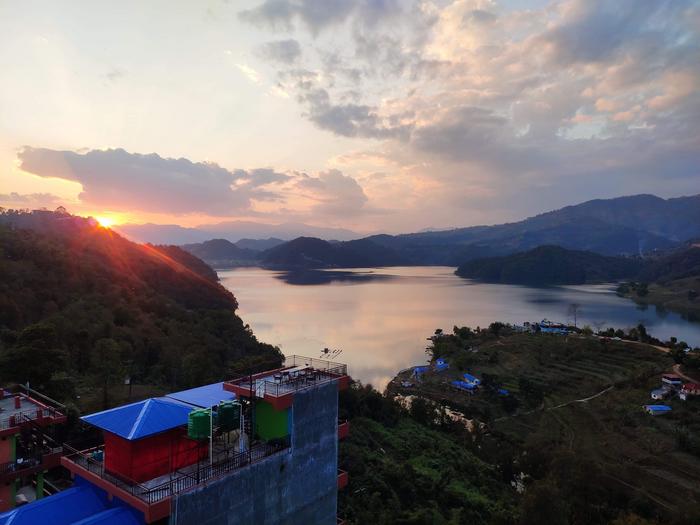
Nepal

Credit: Rajshree Thapa

The sustainability and scalability of limited duration interventions in low- and middle-income countries remain unclear. A study published in The Lancet Global Health aimed to investigate the sustainability in reduction of blood pressure (BP) through a 12-month lifestyle intervention by community health workers (CHWs) to reduce BP in Nepal four years after the intervention ceased.

During the 12-month intervention, female community health volunteers (FCHVs) visited participants in the intervention groups and provided lifestyle counselling and BP measurement every 4 months.

At the end of the 12-month intervention, systolic BP (SBP) was significantly lower in the intervention group than in the usual care group in all cohorts, ranging from -2·3 mmHg lower in those with normal BP to -4·9 mmHg in the hypertensive cohort.

In this follow-up study, a total of 1,352 participants were followed up at 60 months, this being 92·1% of 1,468, who completed the 12-month assessments, and 82·5% of 1,638 participants who were initially randomised. At 60 months, the study found that the SBP rose by 4·1 mmHg (95% CI, 2·2 to 5·9 mmHg) more in the intervention group than usual care group.

Interpretation

Although such lifestyle counselling and BP monitoring by CHWs is effective in substantially reducing BP while adults are being monitored in a trial, but following cessation of the intervention this benefit is not maintained in the long term, with potential for harm.

This could have important implications for funders and research communities to regularly target participants for education and follow-up at an optimal time to reduce any likelihood of harm

This is the first randomised control trial evidence on the sustainability of the benefit of a trial led by CHWs four years after the cessation of an intervention.

Despite considerable evidence that lifestyle counselling and BP monitoring by CHWs are effective in substantially reducing BP while participants are being monitored in a trial, the researchers now provide evidence that once the intervention ceases this reduction may not continue with potential concern for harm in the long term.


Journal

The Lancet Global Health

Method of Research

Randomized controlled/clinical trial

Subject of Research

People

Article Title

Sustainability of a 12-month lifestyle intervention delivered by community health workers in reducing blood pressure in Nepal: 5-year follow-up of an open-label, cluster randomised (COBIN) trial

Article Publication Date

20-Jun-2023

Share12Tweet8Share2ShareShareShare2

Related Posts

Nrf2 Metabolic Shift Boosts Regulatory T Cells in Liver Cancer

July 13, 2026

Higher Doctor Assessment Scores Linked to Fewer Low-Value Patient Tests

July 13, 2026

Assessing Bias in Heart Failure Trials Using Statistical and Deep Learning Methods

July 13, 2026

World Heart Federation Unveils Roadmap for Lifelong Heart Health

July 13, 2026

POPULAR NEWS

  • Detection of EDCs in Breast Milk and Infant Urine Up to Six Months Highlights Early Exposure Risks

    77 shares
    Share 31 Tweet 19
  • New Drug Candidate Developed at McMaster Shows Potential for Treating Brain Cancer

    58 shares
    Share 23 Tweet 15
  • KTU Researchers Explore Ultrasound’s Role in Enhancing Blood Flow Beyond Diagnostics

    53 shares
    Share 21 Tweet 13
  • Experimental Therapy Simultaneously Destroys Prostate Tumor Cells and Reactivates Antitumor Immunity

    46 shares
    Share 18 Tweet 12

About

We bring you the latest biotechnology news from best research centers and universities around the world. Check our website.

Follow us

Recent News

American Ornithological Society Grants Seven 2026 Kessel Research Fellowships

Nrf2 Metabolic Shift Boosts Regulatory T Cells in Liver Cancer

Screen Use to Calm Children: Benefits and Risks Explored

Subscribe to Blog via Email

Enter your email address to subscribe to this blog and receive notifications of new posts by email.

Join 85 other subscribers
  • Contact Us

Bioengineer.org © Copyright 2023 All Rights Reserved.

Welcome Back!

Login to your account below

Forgotten Password?

Retrieve your password

Please enter your username or email address to reset your password.

Log In
No Result
View All Result
  • Homepages
    • Home Page 1
    • Home Page 2
  • News
  • National
  • Business
  • Health
  • Lifestyle
  • Science

Bioengineer.org © Copyright 2023 All Rights Reserved.