A chemical linked to a higher risk of leukemia and other blood cell cancers creeps into millions of homes whenever residents light their gas stoves. A new Stanford-led analysis finds that a single gas cooktop burner on high or a gas oven set to 350 degrees Fahrenheit can raise indoor levels of the carcinogen benzene above those in secondhand tobacco smoke. Benzene also drifts throughout a home and lingers for hours in home air, according to the paper published June 22 in Environmental Science & Technology.
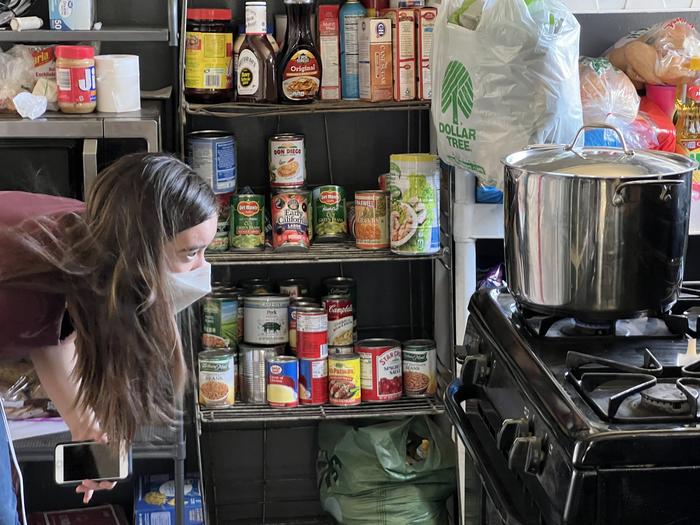
Credit: Rob Jackson, Stanford University
A chemical linked to a higher risk of leukemia and other blood cell cancers creeps into millions of homes whenever residents light their gas stoves. A new Stanford-led analysis finds that a single gas cooktop burner on high or a gas oven set to 350 degrees Fahrenheit can raise indoor levels of the carcinogen benzene above those in secondhand tobacco smoke. Benzene also drifts throughout a home and lingers for hours in home air, according to the paper published June 22 in Environmental Science & Technology.
“Benzene forms in flames and other high-temperature environments, such as the flares found in oil fields and refineries. We now know that benzene also forms in the flames of gas stoves in our homes,” said study senior author Rob Jackson, the Michelle and Kevin Douglas Provostial Professor and professor of Earth system science at the Stanford Doerr School of Sustainability. “Good ventilation helps reduce pollutant concentrations, but we found that exhaust fans were often ineffective at eliminating benzene exposure.”
Worse than secondhand smoke
Overall, the researchers found that indoor concentrations of benzene formed in the flames of gas stoves can be worse than average concentrations from secondhand smoke, that benzene can migrate into other rooms far from the kitchen, and that concentrations measured in bedrooms can exceed national and international health benchmarks. They also found residential range hoods are not always effective at reducing concentrations of benzene and other pollutants, even when the hoods vent outdoors.
The new paper is the first to analyze benzene emissions when a stove or oven is in use. Previous studies focused on leaks from stoves when they are off, and did not directly measure resulting benzene concentrations. The researchers found gas and propane burners and ovens emitted 10 to 50 times more benzene than electric stoves. Induction cooktops emitted no detectable benzene whatsoever. The rates of benzene emitted during combustion were hundreds of times higher than benzene emission rates identified in other recent studies from unburned gas leaking into homes.
The researchers also tested whether foods being cooked emit benzene and found zero benzene emissions from pan-frying salmon or bacon. All benzene emissions the investigators measured came from the fuel used rather than any food cooked.
A previous Stanford-led study showed that gas-burning stoves inside U.S. homes leak methane with a climate impact comparable to the carbon dioxide emissions from about 500,000 gasoline-powered cars. They also expose users to pollutants, such as nitrogen dioxide, which can trigger respiratory diseases. A 2013 meta-analysis concluded that children who live in homes with gas stoves had a 42% greater risk of asthma than children living in homes without gas stoves, and a 2022 analysis calculated that 12.7% of childhood asthma in the U.S. is attributable to gas stoves.
“I’m renting an apartment that happens to have an electric stove,” said study lead Yannai Kashtan, a graduate student in Earth system science. “Before starting this research, I never thought about it twice, but the more we learn about pollution from gas stoves, the more relieved I am to be living without a gas stove.”
Jackson is also a senior fellow at the Stanford Woods Institute for the Environment and the Precourt Institute for Energy. Study co-authors also include Metta Nicholson and Colin Finnegan, environmental science research professionals in Stanford’s Earth System Science Department; Zutao Ouyang, a physical science research associate in Stanford’s Earth System Science Department; and researchers at PSE Healthy Energy, the University of California, Berkeley, and Lawrence Berkeley National Lab.
The study was funded by the High Tide Foundation.
To read all stories about Stanford science, subscribe to the biweekly Stanford Science Digest.
How to reduce exposure to pollutants from gas stoves
Beyond ensuring proper ventilation with a range hood or open window, relatively low-cost approaches to reducing exposure to pollutants from gas stoves include:
- Use portable induction cooktops, which can be found for less than $50 new.
- Use electric kitchenware, such as tea kettles, toaster ovens, and slow cookers.
- Where available, take advantage of state and local rebates as well as low- or no-interest loans (such as these programs for California and the San Francisco Bay Area) to offset the cost of replacing gas appliances.
- Federal tax credits are available now, and federal rebates should be available later this year or sometime in 2024 to help offset the cost of replacing gas appliances.
-30-
Journal
Environmental Science & Technology
Article Title
Gas and Propane Combustion from Stoves Emits Benzene and Increases Indoor Air Pollution
Article Publication Date
22-Jun-2023