SAN ANTONIO – May 2, 2023 – Southwest Research Institute (SwRI) and The University of Texas at San Antonio (UTSA) have developed a method to synthesize the highly potent antimalarial drug artemisinin, which could lead to a more cost-effective treatment for malaria. The work, recently featured on the cover of the scientific journal Organic Letters, was supported by the Bill and Melinda Gates Foundation as well as a grant from the Connecting through Research Partnerships (Connect) program, a joint effort by SwRI and UTSA to enhance scientific collaboration between the two institutions.
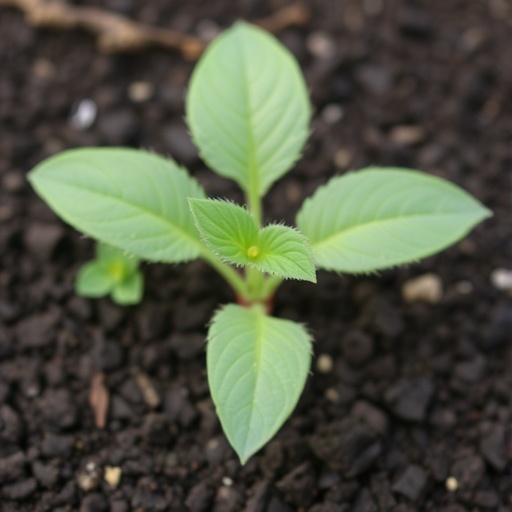
In 2021, 247 million cases of malaria led to 619,000 deaths worldwide. The most effective malaria treatments utilize the drug artemisinin, which is derived from the sweet wormwood plant, Artemisia annua. However, the process of isolating artemisinin from the plant is time-consuming, and crop yields are susceptible to weather patterns, insect pests and other factors. Despite scientific advancements in treatment methods, the cost of artemisinin still burdens the countries most affected by malaria.
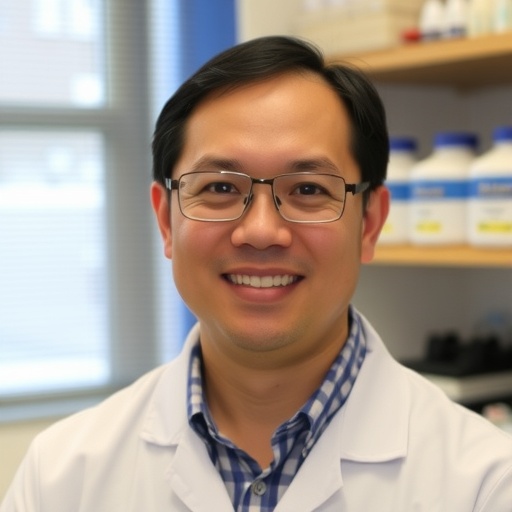
“We were able to develop a novel way of synthesizing artemisinin that mimics how it’s made in nature,” SwRI Senior Research Scientist Dr. Shawn Blumberg said. “Our method mimics the biosynthetic pathway of how artemisinin is made in the plant where it originates, Artemisia annua. We studied the intermediate compounds along that pathway and then used chemistry to create those same intermediates and recreate the pathway.”
In 2020, Blumberg and UTSA Professor Dr. Doug Frantz received a $125,000 grant from the Connect program to build on work supported by the Bill and Melinda Gates Foundation to create a more cost-effective way to synthesize artemisinin.
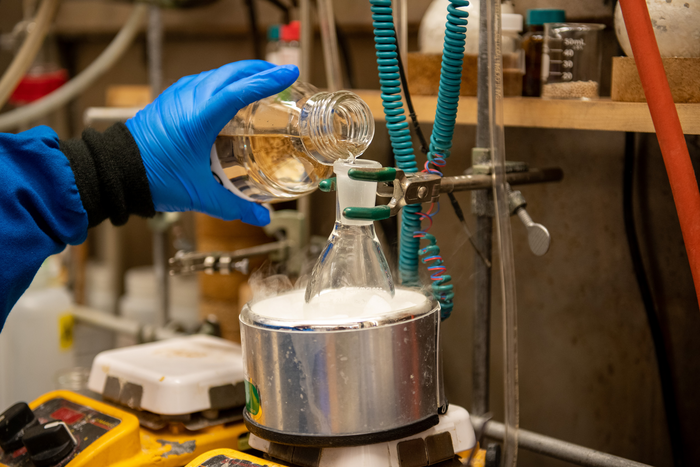
“There was nothing in public scientific literature that suggested this would work,” Frantz said. “This was challenging chemistry that we were trying to pull off, but we let science tell us where to go. It enabled us to design a process of taking a common intermediate in the biosynthetic pathway for artemisinin and converting it all the way to Artemisinic acid, which is the direct precursor to artemisinin.”
Blumberg and Frantz hope drug companies will take advantage of their work and offer a more potent and cost-effective malaria treatment to the impoverished countries that need it the most, especially considering the inherent risks of drought, wildfire and insects that come with depending on a plant that can only grow in certain parts of the world.
“The supply of artemisinin is still kind of erratic, which causes prices to be erratic as well, and countries dealing with this endemic need a stable, cost-effective solution,” Blumberg said. “While the new process we’ve created might not completely supplant current methods, it can complement other approaches and help to stabilize the world’s supply of artemisinin.”
SwRI’s Executive Office and UTSA’s Office of the Vice President for Research, Economic Development, and Knowledge Enterprise sponsor the collaborative Connect program, which offers grant opportunities to enhance greater scientific collaboration between the two institutions.
For more information, visit https://www.swri.org/industries/pharmaceutical-formulation-development.
Credit: The University of Texas at San Antonio
SAN ANTONIO – May 2, 2023 – Southwest Research Institute (SwRI) and The University of Texas at San Antonio (UTSA) have developed a method to synthesize the highly potent antimalarial drug artemisinin, which could lead to a more cost-effective treatment for malaria. The work, recently featured on the cover of the scientific journal Organic Letters, was supported by the Bill and Melinda Gates Foundation as well as a grant from the Connecting through Research Partnerships (Connect) program, a joint effort by SwRI and UTSA to enhance scientific collaboration between the two institutions.
In 2021, 247 million cases of malaria led to 619,000 deaths worldwide. The most effective malaria treatments utilize the drug artemisinin, which is derived from the sweet wormwood plant, Artemisia annua. However, the process of isolating artemisinin from the plant is time-consuming, and crop yields are susceptible to weather patterns, insect pests and other factors. Despite scientific advancements in treatment methods, the cost of artemisinin still burdens the countries most affected by malaria.
“We were able to develop a novel way of synthesizing artemisinin that mimics how it’s made in nature,” SwRI Senior Research Scientist Dr. Shawn Blumberg said. “Our method mimics the biosynthetic pathway of how artemisinin is made in the plant where it originates, Artemisia annua. We studied the intermediate compounds along that pathway and then used chemistry to create those same intermediates and recreate the pathway.”
In 2020, Blumberg and UTSA Professor Dr. Doug Frantz received a $125,000 grant from the Connect program to build on work supported by the Bill and Melinda Gates Foundation to create a more cost-effective way to synthesize artemisinin.
“There was nothing in public scientific literature that suggested this would work,” Frantz said. “This was challenging chemistry that we were trying to pull off, but we let science tell us where to go. It enabled us to design a process of taking a common intermediate in the biosynthetic pathway for artemisinin and converting it all the way to Artemisinic acid, which is the direct precursor to artemisinin.”
Blumberg and Frantz hope drug companies will take advantage of their work and offer a more potent and cost-effective malaria treatment to the impoverished countries that need it the most, especially considering the inherent risks of drought, wildfire and insects that come with depending on a plant that can only grow in certain parts of the world.
“The supply of artemisinin is still kind of erratic, which causes prices to be erratic as well, and countries dealing with this endemic need a stable, cost-effective solution,” Blumberg said. “While the new process we’ve created might not completely supplant current methods, it can complement other approaches and help to stabilize the world’s supply of artemisinin.”
SwRI’s Executive Office and UTSA’s Office of the Vice President for Research, Economic Development, and Knowledge Enterprise sponsor the collaborative Connect program, which offers grant opportunities to enhance greater scientific collaboration between the two institutions.
For more information, visit https://www.swri.org/industries/pharmaceutical-formulation-development.