The latest generation of antidepressants relieves symptoms by mimicking steroids produced by the brain to ensure neurons are effectively talking to each other. How these neurosteroids are linked to depression and why they work is still to be determined, but a study in mice, led by Tufts University School of Medicine scientists, found chronic stress reduced an animal’s abilities to produce and respond to these important molecules, specifically allopregnanolone. The research was published Jan. 31 in the journal Biological Psychiatry.
Credit: Credit: National Institute on Aging, National Institutes of Health
The latest generation of antidepressants relieves symptoms by mimicking steroids produced by the brain to ensure neurons are effectively talking to each other. How these neurosteroids are linked to depression and why they work is still to be determined, but a study in mice, led by Tufts University School of Medicine scientists, found chronic stress reduced an animal’s abilities to produce and respond to these important molecules, specifically allopregnanolone. The research was published Jan. 31 in the journal Biological Psychiatry.
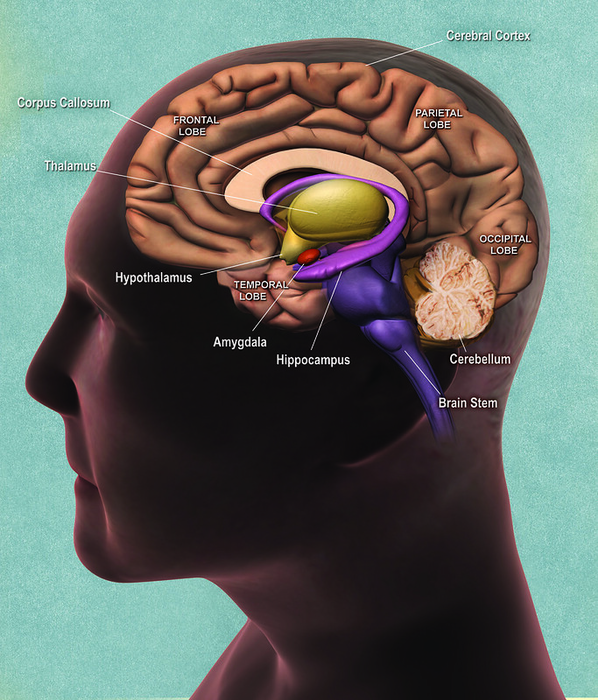
“Our findings suggest that the behavioral deficits following chronic stress involve impaired neurosteroid synthesis and signaling,” says lead author Najah Walton, a PhD student in neuroscience at the Graduate School of Biomedical Sciences. “We found that mice subjected to chronic unpredictable stress had an impairment in allopregnanolone production within the basolateral amygdala, a brain region crucial for mediating emotional responses.”
To confirm the link, Walton and colleagues in the Maguire Lab at the School of Medicine used CRISPR technology to adjust the enzymes necessary for allopregnanolone production. Mice with abnormally low levels of the neurosteroid showed depressive behaviors like those that had experienced chronic stress, while their counterparts with abnormally high levels of allopregnanolone showed more resilience to chronic stress.
“The potential implications of these findings suggest that synthetic neurosteroid analogs might exert a beneficial effect in individuals with depression by virtue of their ability to target part of the underlying neuropathology that leads to the condition,” says senior author Jamie Maguire, professor of neuroscience at the School of Medicine.
Less than half of patients with major depression respond to classic antidepressants, such as selective serotonin reuptake inhibitors, and the benefits are known to take weeks or months to take effect. “This study suggests that endogenous neurosteroid synthesis may be an alternative therapeutic target,” says Maguire.
How chronic stress impacts the genes responsible for producing allopregnanolone, how neurosteroids may be involved in the emergence of depression, and how neurosteroid-based treatments benefit the brain will be the focus of the group’s future work.
“For people with depression or experiencing chronic stress, this research could provide some hope that we are making progress in understanding the neurobiology that contributes to the emergence of psychiatric disease,” says Walton, a recent recipient of a Ford Foundation Fellowship.
Research reported in this article was supported by the National Instutite of Mental Health, a division of the National Institutes of Health, under grant numbers R01AA026256, R01NS105628, R01NS102937, R01MH128235, P50MH122379, and a sponsored research agreement with SAGE Therapeutics. Complete information on authors, funders, and conflicts of interest is available in the published paper.
The content is solely the responsibility of the authors and does not necessarily represent the official views of the National Institutes of Health.
Journal
Biological Psychiatry
DOI
10.1016/j.biopsych.2023.01.022
Method of Research
Randomized controlled/clinical trial
Subject of Research
Animals
Article Title
Impaired endogenous neurosteroid signaling contributes to behavioral deficits associated with chronic stress
Article Publication Date
31-Jan-2023
COI Statement
The authors would like to thank Boston Children’s Hospital viral vector core for packaging the sgRNAs used in this manuscript as well as PharmaCadence for performing LC-MS analytical support. JLM, NLW, PA, AD, and RP were supported by R01AA026256, R01NS105628, R01NS102937, R01MH128235, and P50MH122379. SGE-516 data presented in this manuscript were part of a sponsored research agreement with SAGE Therapeutics. SH was supported by T32DK124170. DK was supported by R01NS107315, R01DK108797, R21HD098056, P30DK046200. JLM serves as a member of the Scientific Advisory Board for SAGE Therapeutics, Inc. All other authors report no potential biomedical financial interests or conflicts of interest. An initial draft of this manuscript was previously published on bioRxiv.