CHICAGO—When the COVID-19 vaccine became widely available in spring of 2021, Black and Latinx populations had a slower uptake of the vaccine. While this gap has narrowed over time, new research from DePaul University examines why people in communities of color delayed their vaccinations. The findings may inform more persuasive messages to break down vaccine hesitancy around the COVID-19 booster, flu shot and future vaccines, said lead researcher Joanna Buscemi.
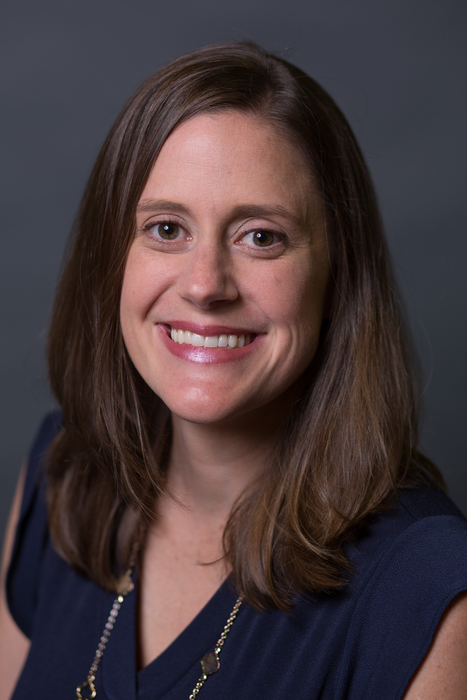
Credit: Image courtesy of Joanna Buscemi
CHICAGO—When the COVID-19 vaccine became widely available in spring of 2021, Black and Latinx populations had a slower uptake of the vaccine. While this gap has narrowed over time, new research from DePaul University examines why people in communities of color delayed their vaccinations. The findings may inform more persuasive messages to break down vaccine hesitancy around the COVID-19 booster, flu shot and future vaccines, said lead researcher Joanna Buscemi.
In a study published this month in the journal “Health Psychology,” participants said concerns about the COVID-19 vaccine’s efficacy and safety drove their decision not to get vaccinated. This may sound familiar, but it diverges from other studies that found general medical mistrust in communities of color was the main indicator of hesitancy. In addition, a higher level of education—not race, gender or income—was the only significant sociodemographic factor tied to higher levels of uptake in the DePaul study.
“Misinformation is harmful in people’s decision-making about vaccination,” said Buscemi, an associate professor of psychology in DePaul’s College of Science and Health. “We must change the public’s perception of what effectiveness means. There is an important difference between preventing disease altogether and preventing the worst outcomes.”
Black and Latinx adults are two times more likely to die of COVID-19, and the need persists to better understand vaccine hesitancy in these communities. Many other studies about COVID-19 included general population samples, but Buscemi and her coauthors collaborated with Brothers Health Collective, a clinic in Chicago’s Bronzeville neighborhood, to recruit an intentionally diverse sample of predominantly Black and Latinx people. Examining the root causes of health inequities is at the heart of Buscemi’s research.
“It’s important for us to make sure that our samples have a large percentage of people of color represented so we can figure out how to protect the most marginalized people in our country who are facing the worst COVID-19-related outcomes,” Buscemi said.
Study uses validated measures, real decisions
This research was funded through the Steans Center’s Community-based Research Faculty Fellowship, which drives projects that benefit organizations and communities in the Chicago area. Brothers Health Collective had a robust contact tracing program in the early days of the pandemic and was a strong partner in designing and conducting research. In all, 109 people participated in the study, and about one-third were unvaccinated at the time.
“Our community partner was very interested to know more about vaccine hesitancy,” said Buscemi. “Working with them helped us mitigate any potential distrust of academic research and ensures that our findings return to the community.”
Key elements of Buscemi’s COVID-19 study stand out from others conducted during this same period of the COVID-19 pandemic. The team of researchers used validated measures—a scale that measured several dimensions of vaccine hesitancy that has been proven to be accurate. They also asked about actual vaccination status, instead of a hypothetical choice a participant might make in the future.
Advancing a faculty member’s scholarship and supporting the development of students’ community-based research skills are also goals of the Steans’ Center fellowship. Nadia Arteaga was an undergraduate in health sciences at DePaul when she began working with Buscemi. Arteaga drew her own research question from the larger data set and presented the findings at her first scientific conference.
“This has been a really great opportunity to involve undergraduates in the research process. Nadia learned everything from how to select measures, to how to build relationships with a community partner and how to recruit participants into a study,” Buscemi said.
As the U.S. faces the flu season this fall and a low uptake of the COVID-19 boosters, better information about the efficacy of vaccines could help reach those most at risk.
“The messaging needs to be crystal clear from physicians, news outlets and media in general that these vaccinations are safe and effective in preventing hospitalization and death,” Buscemi said.
###
Journal
Health Psychology
DOI
10.1037/hea0001241
Subject of Research
People
Article Title
Factors Associated With COVID-19 Vaccination Uptake in Community Health Center Patients
Article Publication Date
10-Oct-2022