• HOME
  • NEWS
  • EXPLORE
    • CAREER
      • Companies
      • Jobs
    • EVENTS
    • iGEM
      • News
      • Team
    • PHOTOS
    • VIDEO
    • WIKI
  • BLOG
  • COMMUNITY
    • FACEBOOK
    • INSTAGRAM
    • TWITTER
Saturday, February 7, 2026
BIOENGINEER.ORG
No Result
View All Result
  • Login
  • HOME
  • NEWS
  • EXPLORE
    • CAREER
      • Companies
      • Jobs
        • Lecturer
        • PhD Studentship
        • Postdoc
        • Research Assistant
    • EVENTS
    • iGEM
      • News
      • Team
    • PHOTOS
    • VIDEO
    • WIKI
  • BLOG
  • COMMUNITY
    • FACEBOOK
    • INSTAGRAM
    • TWITTER
  • HOME
  • NEWS
  • EXPLORE
    • CAREER
      • Companies
      • Jobs
        • Lecturer
        • PhD Studentship
        • Postdoc
        • Research Assistant
    • EVENTS
    • iGEM
      • News
      • Team
    • PHOTOS
    • VIDEO
    • WIKI
  • BLOG
  • COMMUNITY
    • FACEBOOK
    • INSTAGRAM
    • TWITTER
No Result
View All Result
Bioengineer.org
No Result
View All Result
Home NEWS Science News Biology

Just a tiny amount of oil damages seabirds’ feathers, study reveals

Bioengineer by Bioengineer
October 5, 2022
in Biology
Reading Time: 2 mins read
0
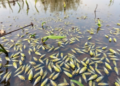
Oil-damaged Manx shearwater feathers
Share on FacebookShare on TwitterShare on LinkedinShare on RedditShare on Telegram

Tiny amounts of crude oil on the water surface, less than one percent of the thickness of a hair, can damage seabird feathers, a University College Cork (UCC) study finds.

Oil-damaged Manx shearwater feathers

Credit: Dr Richard Unitt, School of Biological Earth and Environmental Science, UCC

Tiny amounts of crude oil on the water surface, less than one percent of the thickness of a hair, can damage seabird feathers, a University College Cork (UCC) study finds.

Researchers from the Marine Ecology Group in UCC in Ireland, collected feathers from Manx shearwaters, a seabird species thought to be at-risk from oil pollution. The researchers examined the feathers to see how quickly water would pass through after exposure to increasing concentrations of oil. Feathers were also assessed under high-powered microscopes to examine structural changes after contamination.

This study found that really thin oil sheens, between 0.1 and 3 micrometres in thickness, were enough to have a significant effect on feather structure and impacted waterproofing. Seabirds exposed to oil are more likely to become waterlogged, cold, and less buoyant, other studies have shown.

Unrefined oil, or crude oil, has been famously spilled into the sea in huge volumes due to disasters such as the Exxon Valdez and Sea Empress spills. It is also routinely released into the environment in moderate volumes due to extraction and transport activity. Oil pollution poses a considerable threat to many already threatened seabird populations.

Emma Murphy, lead author of the study, said “Chronic small-scale oil pollution is commonly overlooked in the marine environment, though it has been shown to have serious implications for the fitness and survival of seabirds. This study examined one species, but the results can be extended to other species that rely on waterproofing to stay healthy when at sea for long periods.”

Even when oil is released in moderate volumes from extraction and transport infrastructure, oil can spread quite quickly across the surface of the sea, and quite a large marine area can be coated by oil in concentrations that can be harmful for seabirds.


DOI

10.1098/rsos.220488

Method of Research

Experimental study

Subject of Research

Animal tissue samples

Article Title

ight to intermediate oil sheens increase Manx shearwater feather permeability

Article Publication Date

5-Oct-2022

Share12Tweet8Share2ShareShareShare2

Related Posts

New Study Uncovers Mechanism Behind Burn Pit Particulate Matter–Induced Lung Inflammation

New Study Uncovers Mechanism Behind Burn Pit Particulate Matter–Induced Lung Inflammation

February 6, 2026

DeepBlastoid: Advancing Automated and Efficient Evaluation of Human Blastoids with Deep Learning

February 6, 2026

Navigating the Gut: The Role of Formic Acid in the Microbiome

February 6, 2026

AI-Enhanced Optical Coherence Photoacoustic Microscopy Revolutionizes 3D Cancer Model Imaging

February 6, 2026

POPULAR NEWS

  • Robotic Ureteral Reconstruction: A Novel Approach

    Robotic Ureteral Reconstruction: A Novel Approach

    82 shares
    Share 33 Tweet 21
  • Digital Privacy: Health Data Control in Incarceration

    63 shares
    Share 25 Tweet 16
  • Study Reveals Lipid Accumulation in ME/CFS Cells

    57 shares
    Share 23 Tweet 14
  • Breakthrough in RNA Research Accelerates Medical Innovations Timeline

    53 shares
    Share 21 Tweet 13

About

We bring you the latest biotechnology news from best research centers and universities around the world. Check our website.

Follow us

Recent News

Exploring Decision-Making in Dementia Caregivers’ Mobility

Succinate Receptor 1 Limits Blood Cell Formation, Leukemia

Palmitoylation of Tfr1 Drives Platelet Ferroptosis and Exacerbates Liver Damage in Heat Stroke

Subscribe to Blog via Email

Enter your email address to subscribe to this blog and receive notifications of new posts by email.

Join 73 other subscribers
  • Contact Us

Bioengineer.org © Copyright 2023 All Rights Reserved.

Welcome Back!

Login to your account below

Forgotten Password?

Retrieve your password

Please enter your username or email address to reset your password.

Log In
No Result
View All Result
  • Homepages
    • Home Page 1
    • Home Page 2
  • News
  • National
  • Business
  • Health
  • Lifestyle
  • Science

Bioengineer.org © Copyright 2023 All Rights Reserved.