• HOME
  • NEWS
  • EXPLORE
    • CAREER
      • Companies
      • Jobs
    • EVENTS
    • iGEM
      • News
      • Team
    • PHOTOS
    • VIDEO
    • WIKI
  • BLOG
  • COMMUNITY
    • FACEBOOK
    • INSTAGRAM
    • TWITTER
Monday, July 6, 2026
BIOENGINEER.ORG
No Result
View All Result
  • Login
  • HOME
  • NEWS
  • EXPLORE
    • CAREER
      • Companies
      • Jobs
        • Lecturer
        • PhD Studentship
        • Postdoc
        • Research Assistant
    • EVENTS
    • iGEM
      • News
      • Team
    • PHOTOS
    • VIDEO
    • WIKI
  • BLOG
  • COMMUNITY
    • FACEBOOK
    • INSTAGRAM
    • TWITTER
  • HOME
  • NEWS
  • EXPLORE
    • CAREER
      • Companies
      • Jobs
        • Lecturer
        • PhD Studentship
        • Postdoc
        • Research Assistant
    • EVENTS
    • iGEM
      • News
      • Team
    • PHOTOS
    • VIDEO
    • WIKI
  • BLOG
  • COMMUNITY
    • FACEBOOK
    • INSTAGRAM
    • TWITTER
No Result
View All Result
Bioengineer.org
No Result
View All Result
Home NEWS Science News

Ultra-precise chip-scale sensor detects unprecedentedly small changes at the nanoscale

Bioengineer by Bioengineer
January 18, 2017
in Science News
Reading Time: 2 mins read
0
Share on FacebookShare on TwitterShare on LinkedinShare on RedditShare on Telegram
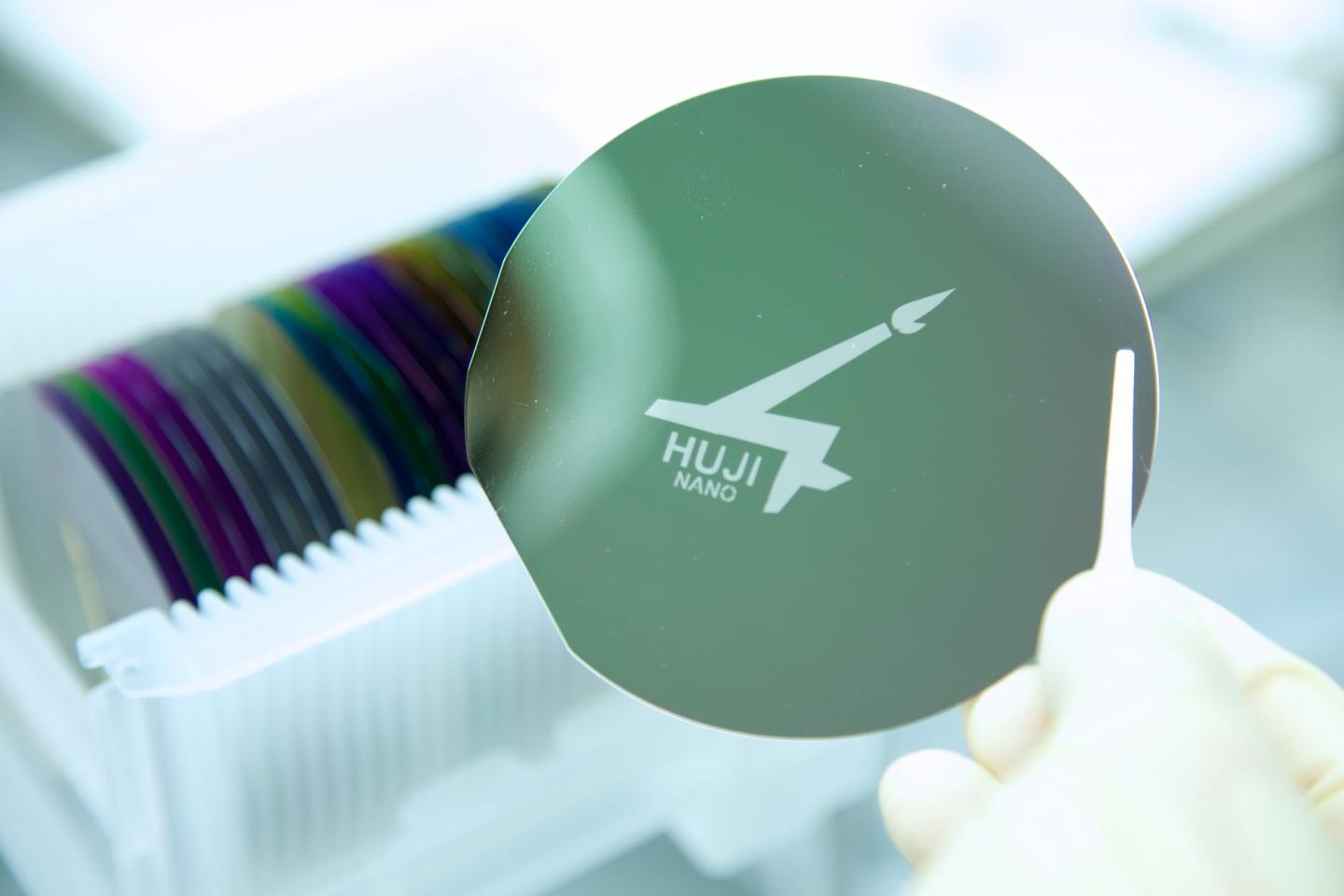
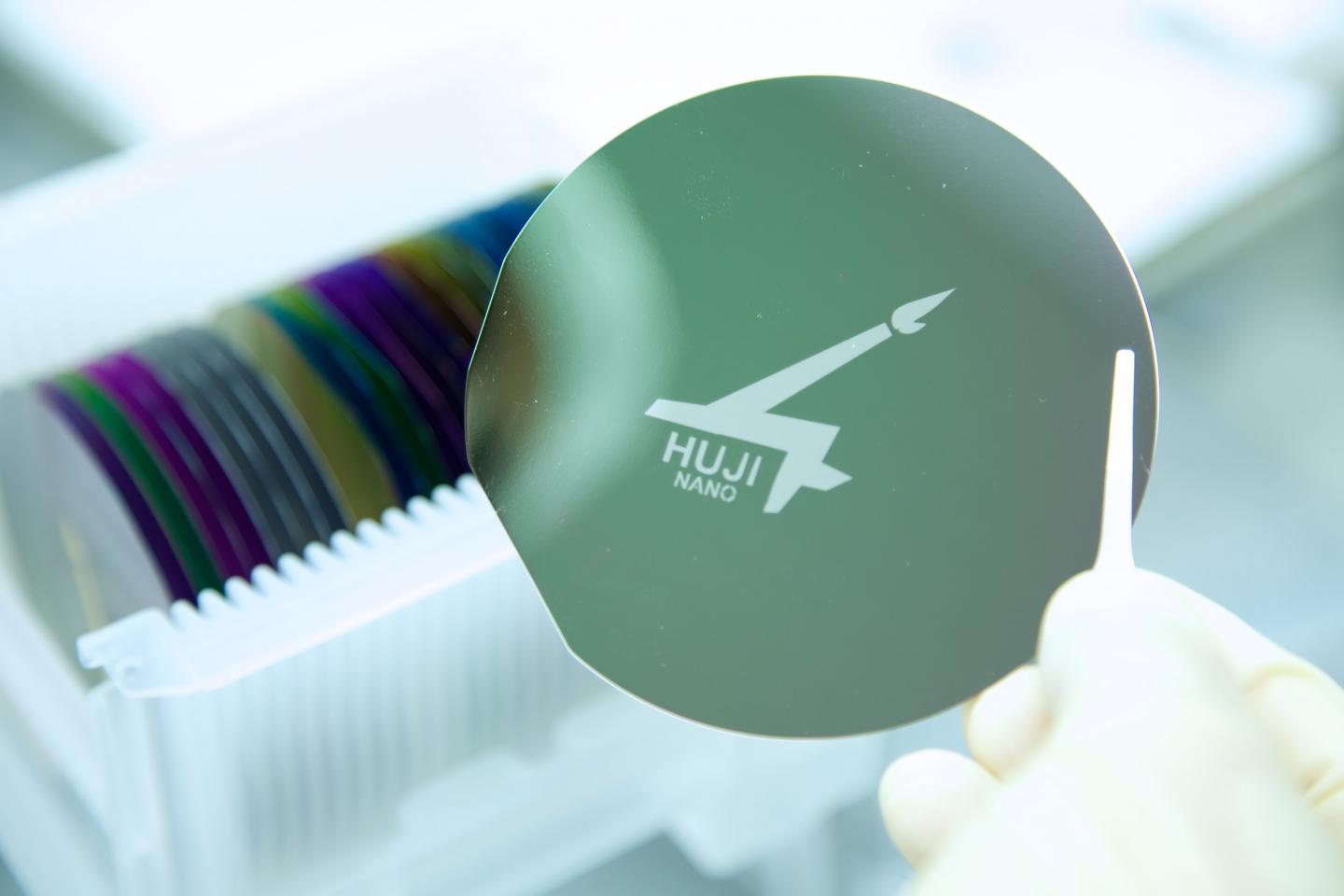
IMAGE

Credit: (Photo by Patricia Alvarado Núñez – graziosopictures.com)

Chip scale high precision measurements of physical quantities such as temperature, pressure and refractive index have become common with nanophotonics and nanoplasmonics resonance cavities. As excellent transducers to convert small variations in the local refractive index into measurable spectral shifts, resonance cavities are being used extensively in a variety of disciplines ranging from bio-sensing and pressure gauges to atomic and molecular spectroscopy. Chip-scale microring and microdisk resonators (MRRs) are widely used for these purposes owing to their miniaturized size, relative ease of design and fabrication, high quality factor, and versatility in the optimization of their transfer function.

The principle of operation of such resonative sensors is based on monitoring the spectrum dependence of the resonator subject to minute variation in its surrounding (e.g., different types of atoms and molecules, gases, pressure, temperature). Yet despite several important accomplishments, such optical sensors are still limited in their performances, and their miniaturization is highly challenging.

Now, a team from the Hebrew University of Jerusalem has demonstrated an on-chip sensor capable of detecting unprecedentedly small frequency changes. The approach consists of two cascaded microring resonators, with one serving as the sensing device and the other playing the role of a reference — thus eliminating environmental and system fluctuations such as temperature and laser frequency.

"Here we demonstrate a record-high sensing precision on a device with a small footprint that can be integrated with standard CMOS technology, paving the way for even more exciting measurements such as single particle detection and high precision chip scale thermometry," said Prof. Uriel Levy, Director of the Harvey M. Krueger Family Center for Nanoscience and Nanotechnology at the Hebrew University of Jerusalem, and a faculty member at the Department of Applied Physics in the Rachel and Selim Benin School of Computer Science and Engineering.

Among the innovations that made this development possible are chip scale integration of reference measurement, and a servo-loop locking scheme that translates the measured effects from the optical domain to the radio frequency domain. These enabled the researchers to quantify their system capabilities using well-established RF technologies, such as frequency counters, spectrum analyzers, and atomic standards.

The research appears in the peer-reviewed journal Optica, published by The Optical Society. The MRRs were fabricated at the Hebrew University's Center for Nanoscience and Nanotechnology.

###

Media Contact

Dov Smith
[email protected]
972-258-82844
@HebrewU

http://new.huji.ac.il/en

############

Story Source: Materials provided by Scienmag

Share12Tweet8Share2ShareShareShare2

Related Posts

Softness-driven cancer stem cells reprogrammed to defeat solid tumor resistance

July 6, 2026

Massive antibody profiling now possible with scalable serolomics platform

July 6, 2026

Optoelectronic tweezers may revolutionize single-cell research

July 6, 2026

Men in the US more often diagnosed with late-stage cancers than women

July 6, 2026
Please login to join discussion

POPULAR NEWS

  • Detection of EDCs in Breast Milk and Infant Urine Up to Six Months Highlights Early Exposure Risks

    77 shares
    Share 31 Tweet 19
  • New Drug Candidate Developed at McMaster Shows Potential for Treating Brain Cancer

    58 shares
    Share 23 Tweet 15
  • Saying Goodbye to PGY-6: Pediatric Fellowship Realities

    103 shares
    Share 41 Tweet 26
  • KTU Researchers Explore Ultrasound’s Role in Enhancing Blood Flow Beyond Diagnostics

    53 shares
    Share 21 Tweet 13

About

We bring you the latest biotechnology news from best research centers and universities around the world. Check our website.

Follow us

Recent News

Softness-driven cancer stem cells reprogrammed to defeat solid tumor resistance

Massive antibody profiling now possible with scalable serolomics platform

Optoelectronic tweezers may revolutionize single-cell research

Subscribe to Blog via Email

Enter your email address to subscribe to this blog and receive notifications of new posts by email.

Join 83 other subscribers
  • Contact Us

Bioengineer.org © Copyright 2023 All Rights Reserved.

Welcome Back!

Login to your account below

Forgotten Password?

Retrieve your password

Please enter your username or email address to reset your password.

Log In
No Result
View All Result
  • Homepages
    • Home Page 1
    • Home Page 2
  • News
  • National
  • Business
  • Health
  • Lifestyle
  • Science

Bioengineer.org © Copyright 2023 All Rights Reserved.