


CHAMPAIGN, Ill. — Many medical professionals who volunteered for short-term deployment to a field hospital in New York during the COVID-19 pandemic experienced high levels of secondary traumatic stress, a new study found.
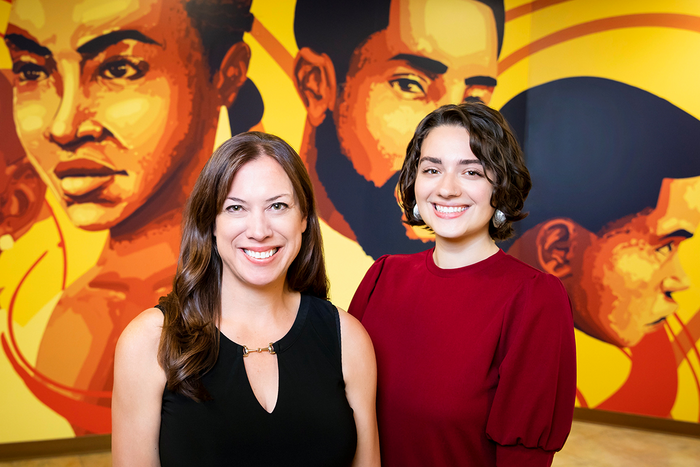
Credit: Photo by Michelle Hassel
CHAMPAIGN, Ill. — Many medical professionals who volunteered for short-term deployment to a field hospital in New York during the COVID-19 pandemic experienced high levels of secondary traumatic stress, a new study found.
However, high levels of compassion satisfaction – the gratification that these volunteers derived from helping others – buffered some against psychological distress, according to Tara M. Powell, a professor of social work at the University of Illinois Urbana-Champaign who is first author of the study.
“The volunteers in our study showed milder symptoms of PTSD than prior studies found among other frontline medical workers during the pandemic,” Powell said. “The voluntary nature of their assignments may explain the high levels of compassion satisfaction they experienced. In turn, this sense of fulfillment counteracted the extraordinary stressors and challenges that the pandemic created for them.”
The 57 health care volunteers in the new study worked as nurses, doctors, medics and administrators at the Ryan Larkin Field Hospital in Manhattan during spring 2020. Most were serving temporary deployments of six weeks or less in the field hospital.
Published in the journal Traumatology, the study sheds light on the emotional and physical toll that the early days of the pandemic had on volunteer workers and the protective effects of compassion satisfaction.
Post-traumatic stress and secondary traumatic stress disorders share symptoms such as experiencing distressing trauma-related flashbacks or dreams, irritability and sleeplessness, according to the World Health Organization. While PTSD involves first-hand experiences of upsetting events, secondary traumatic stress arises from exposure to other people’s illnesses, death or discussions of their disturbing experiences.
Burnout refers to emotional, mental and physical exhaustion associated with excessive job-related demands and stressors, according to the WHO. Sufferers may experience fatigue, apathy and diminished effectiveness in their work.
Prior studies found high rates of all three – burnout, PTSD and secondary stress – among frontline health care workers during the pandemic. Powell and her team wanted to explore whether volunteers experienced similar problems and if greater levels of compassion satisfaction counteracted stress and burnout in them.
The researchers used five surveys to assess participants’ mental health and well-being. These included a professional quality-of-life questionnaire that screened them for symptoms of PTSD and secondary stress and asked them to rate the level of satisfaction they derived from their work in the field hospital.
Participants were asked about the amount of social support in their lives and the coping methods they used, including healthier problem-focused tactics and maladaptive avoidant strategies such as denial, disengagement and self-medicating with alcohol or drugs.
Most of the participants experienced low to mild symptoms of burnout, but a significant number met the clinical criteria for PTSD or secondary traumatic stress. Some reported working as many as 70 hours a week, and the team found that working these hours or more significantly increased workers’ risks of burnout and stress-related symptoms.
The strongest predictor of burnout, PTSD and secondary stress symptoms was avoidant emotional coping – tactics such as denying or disengaging from difficulties rather than focusing on solutions. Participants who utilized avoidant strategies and buried their feelings were at significantly greater risk of emotional distress.
“The findings confirm the need for interventions that mitigate the emotional fallout these workers experience by reinforcing positive, problem-focused coping skills and social support,” Powell said. “People in these professions are at heightened risks of such problems in the best of times, and extraordinary circumstances such as those that occurred during the pandemic dramatically escalate these risks.”
Powell’s co-authors were social work professor Shanondora Billiot of Arizona State University; Kristen Elzey, formerly a mental health consultant and staff care specialist at New York Presbyterian Hospital; registered nurse Amanda Brandon, also of NYPH; and Jenna Muller, a doctoral student at the U. of I.
The research was supported by an Early Career Research Fellowship to Billiot from the Gulf Research Program of the National Academy of Sciences, Engineering and Medicine.
Journal
Traumatology An International Journal
DOI
10.1037/trm0000387
Method of Research
Survey
Subject of Research
People
Article Title
The Cost of Caring: Psychological Adjustment of Health-Care Volunteers During the COVID-19 Pandemic
Article Publication Date
12-May-2022
COI Statement
The authors list no conflicts of interest.

