• HOME
  • NEWS
  • EXPLORE
    • CAREER
      • Companies
      • Jobs
    • EVENTS
    • iGEM
      • News
      • Team
    • PHOTOS
    • VIDEO
    • WIKI
  • BLOG
  • COMMUNITY
    • FACEBOOK
    • INSTAGRAM
    • TWITTER
Saturday, February 7, 2026
BIOENGINEER.ORG
No Result
View All Result
  • Login
  • HOME
  • NEWS
  • EXPLORE
    • CAREER
      • Companies
      • Jobs
        • Lecturer
        • PhD Studentship
        • Postdoc
        • Research Assistant
    • EVENTS
    • iGEM
      • News
      • Team
    • PHOTOS
    • VIDEO
    • WIKI
  • BLOG
  • COMMUNITY
    • FACEBOOK
    • INSTAGRAM
    • TWITTER
  • HOME
  • NEWS
  • EXPLORE
    • CAREER
      • Companies
      • Jobs
        • Lecturer
        • PhD Studentship
        • Postdoc
        • Research Assistant
    • EVENTS
    • iGEM
      • News
      • Team
    • PHOTOS
    • VIDEO
    • WIKI
  • BLOG
  • COMMUNITY
    • FACEBOOK
    • INSTAGRAM
    • TWITTER
No Result
View All Result
Bioengineer.org
No Result
View All Result
Home NEWS Science News

Couch potatoes face same chance of dementia as those with genetic risk factors: Research

Bioengineer by Bioengineer
January 10, 2017
in Science News
Reading Time: 2 mins read
0
Share on FacebookShare on TwitterShare on LinkedinShare on RedditShare on Telegram
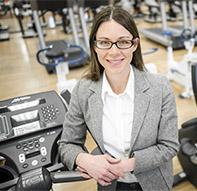
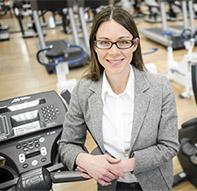
IMAGE

Credit: McMaster University

Sedentary older adults with no genetic risk factors for dementia may be just as likely to develop the disease as those who are genetically predisposed, according to a major study which followed more than 1,600 Canadians over five years.

The findings, published in the Journal of Alzheimer's Disease, shed new light on the relationship between genes, lifestyle risk factors and dementia.

Researchers, who tracked participants in the Canadian Study of Health and Aging, found that while carriers of a variant of the 'apolipoprotein E' genotype are more likely to develop dementia, inactivity dramatically increases the risk for non-carriers.

"The important message here is that being inactive may completely negate the protective effects of a healthy set of genes," says Jennifer Heisz, an assistant professor in the Department of Kinesiology at McMaster University and co-author of the study.

"Given that most individuals are not at genetic risk, physical exercise may be an effective prevention strategy, " she says.

Approximately 47.5-million people worldwide are living with dementia. That number is expected to surge to 115.4 million by the year 2050. With no known cure, there is an urgent need to explore, identify and change lifestyle factors that can reduce dementia risk, say researchers.

"Although age is an important marker for dementia, there is more and more research showing the link between genetic and lifestyle factors," said Parminder Raina, a co-author and professor in the Department of Health Evidence and Impact at McMaster. "This research shows that exercise can mitigate the risk of dementia for people without the variant of the apolipoprotein genotype. However, more research is needed to determine the implications from a public health perspective."

"A physically active lifestyle helps the brain operate more effectively. However, if a physician were to ask us today what type of exercise to prescribe for a patient to reduce the risk of dementia, the honest answer is 'we really don't know'," says Barbara Fenesi, a postdoctoral fellow at McMaster University and lead author on the study.

In a separate ongoing study, researchers are comparing the possible benefits of high-intensity training (HIIT) versus moderate continuous training (MCT) and stretching in older adults.

###

McMaster provides a high definition broadcast studio that can connect with any television broadcaster around the world. To book an interview please contact:

Michelle Donovan
Manager, Media Relations
McMaster University
905-525-9140, ext. 22869
[email protected]

Wade Hemsworth
Manager, Media Relations
McMaster University
905-525-9140, ext. 27988
[email protected]

Media Contact

Michelle Donovan
[email protected]
905-525-9140
@mcmasteru

Home

############

Story Source: Materials provided by Scienmag

Share12Tweet8Share2ShareShareShare2

Related Posts

Boosting Remote Healthcare: Stepped-Wedge Trial Insights

February 7, 2026

Barriers and Boosters of Seniors’ Physical Activity in Karachi

February 7, 2026

Evaluating Pediatric Emergency Care Quality in Ethiopia

February 7, 2026

TPMT Expression Predictions Linked to Azathioprine Side Effects

February 7, 2026
Please login to join discussion

POPULAR NEWS

  • Robotic Ureteral Reconstruction: A Novel Approach

    Robotic Ureteral Reconstruction: A Novel Approach

    82 shares
    Share 33 Tweet 21
  • Digital Privacy: Health Data Control in Incarceration

    63 shares
    Share 25 Tweet 16
  • Study Reveals Lipid Accumulation in ME/CFS Cells

    57 shares
    Share 23 Tweet 14
  • Breakthrough in RNA Research Accelerates Medical Innovations Timeline

    53 shares
    Share 21 Tweet 13

About

We bring you the latest biotechnology news from best research centers and universities around the world. Check our website.

Follow us

Recent News

Boosting Remote Healthcare: Stepped-Wedge Trial Insights

Barriers and Boosters of Seniors’ Physical Activity in Karachi

Evaluating Pediatric Emergency Care Quality in Ethiopia

Subscribe to Blog via Email

Enter your email address to subscribe to this blog and receive notifications of new posts by email.

Join 73 other subscribers
  • Contact Us

Bioengineer.org © Copyright 2023 All Rights Reserved.

Welcome Back!

Login to your account below

Forgotten Password?

Retrieve your password

Please enter your username or email address to reset your password.

Log In
No Result
View All Result
  • Homepages
    • Home Page 1
    • Home Page 2
  • News
  • National
  • Business
  • Health
  • Lifestyle
  • Science

Bioengineer.org © Copyright 2023 All Rights Reserved.