• HOME
  • NEWS
  • EXPLORE
    • CAREER
      • Companies
      • Jobs
    • EVENTS
    • iGEM
      • News
      • Team
    • PHOTOS
    • VIDEO
    • WIKI
  • BLOG
  • COMMUNITY
    • FACEBOOK
    • INSTAGRAM
    • TWITTER
Thursday, August 6, 2026
BIOENGINEER.ORG
No Result
View All Result
  • Login
  • HOME
  • NEWS
  • EXPLORE
    • CAREER
      • Companies
      • Jobs
        • Lecturer
        • PhD Studentship
        • Postdoc
        • Research Assistant
    • EVENTS
    • iGEM
      • News
      • Team
    • PHOTOS
    • VIDEO
    • WIKI
  • BLOG
  • COMMUNITY
    • FACEBOOK
    • INSTAGRAM
    • TWITTER
  • HOME
  • NEWS
  • EXPLORE
    • CAREER
      • Companies
      • Jobs
        • Lecturer
        • PhD Studentship
        • Postdoc
        • Research Assistant
    • EVENTS
    • iGEM
      • News
      • Team
    • PHOTOS
    • VIDEO
    • WIKI
  • BLOG
  • COMMUNITY
    • FACEBOOK
    • INSTAGRAM
    • TWITTER
No Result
View All Result
Bioengineer.org
No Result
View All Result
Home NEWS Science News Health

Study shows sleep deprivation impairs stem cells in the cornea

Bioengineer by Bioengineer
April 28, 2022
in Health
Reading Time: 2 mins read
0
The microenvironment of the tear film is just like the macroenvironment of the sea.
Share on FacebookShare on TwitterShare on LinkedinShare on RedditShare on Telegram

Sleep deprivation, which means getting too little high-quality sleep, is a serious health problem. More than one-third of people in the USA report getting less than the recommended minimum of seven hours sleep per night. Sleep deprivation has negative impacts on mental and physical health. Eye problems such as dryness and itching are commonly experienced after episodes of sleep deprivation, while long-term sleep deprivation comes with an increased risk for eye disease.
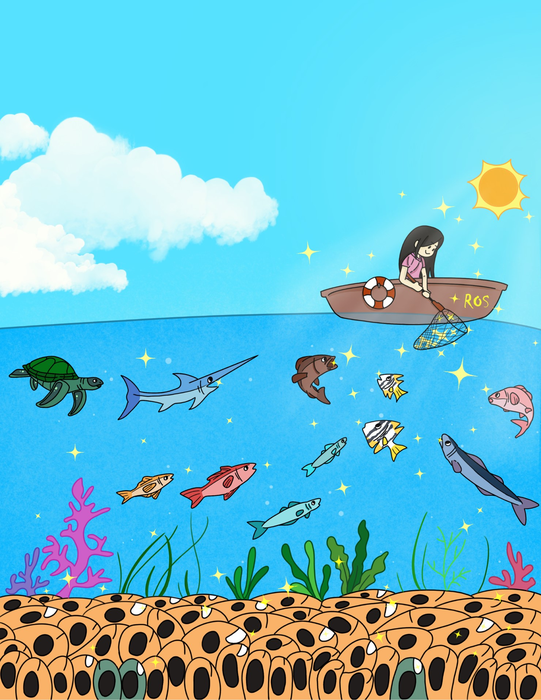
The microenvironment of the tear film is just like the macroenvironment of the sea.

Credit: Illustration by Yuehang Li

Sleep deprivation, which means getting too little high-quality sleep, is a serious health problem. More than one-third of people in the USA report getting less than the recommended minimum of seven hours sleep per night. Sleep deprivation has negative impacts on mental and physical health. Eye problems such as dryness and itching are commonly experienced after episodes of sleep deprivation, while long-term sleep deprivation comes with an increased risk for eye disease.

The cornea, which is the transparent tissue layer covering the eye, is essential for assuring health and function of the eye. The cornea is maintained by stem cells, which divide to replace dying cells and to repair small injuries. Corneal stem cell activity needs to be precisely tuned to assure an adequate output of new corneal cells, and dysregulation of corneal stem cells can lead to eye disease and impaired vision.

In a study recently published in Stem Cell Reports, researchers Wei Li, Zugou Liu and colleagues from Xiamen University, China and Harvard Medical School, USA, evaluated how sleep deprivation impacts corneal stem cells. Their experiments in mice showed that short-term sleep deprivation increased the rate at which stem cells in the cornea multiplied. At the same time, sleep deprivation altered the composition of the protective tear film, reducing the tear film antioxidants in sleep-deprived mice. The researchers found that the tear film composition had a direct impact on corneal stem cell activity and, encouragingly, application of tear drops containing antioxidants reversed the excessive stem cell activity.

The study revealed that serious effects on corneal health, such as thinning and ruffling of the cornea and loss of transparency, were seen after long-term sleep deprivation. Further, corneas of long-term sleep-deprived mice contained less stem cells, suggesting that persistent stimulation of stem cell activity over longer periods led to exhaustion and loss of corneal stem cells. These data suggest that sleep deprivation negatively affects the stem cells in the cornea, possibly leading to vision impairment in the long run. Further studies are required to confirm that similar processes are happening in human corneal stem cells and in patients, and to test if local antioxidant therapy may overcome some of the negative effects of sleep deprivation on corneal health.


Journal

Stem Cell Reports

DOI

10.1016/j.stemcr.2022.03.017

Article Title

Sleep Deprivation Induces Corneal Epithelial Progenitor Cell Over-Expansion through Disruption of Redox Homeostasis in the Tear Film

Article Publication Date

28-Apr-2022
Share12Tweet8Share2ShareShareShare2

Related Posts

Plasma pTau217 Shows Diagnostic Performance Across Genetically Admixed South American Populations

August 6, 2026
Neuroligin-3–CSPG4 mechanotransduction preserves oligodendrocyte progenitors and promotes glioma growth

Neuroligin-3–CSPG4 mechanotransduction preserves oligodendrocyte progenitors and promotes glioma growth

August 6, 2026

JmjC1 Controls Virulence Genes Linked to Severe Malaria in Plasmodium falciparum

August 6, 2026

Study Examines Pesticide Exposure and Multidomain Symptoms in Parkinson’s Disease Over Time

August 6, 2026

POPULAR NEWS

  • Oviduct Epithelial Folds Aid Oocyte Transport but Aren’t Essential

    29 shares
    Share 12 Tweet 7
  • Plasma pTau217 Shows Diagnostic Performance Across Genetically Admixed South American Populations

    29 shares
    Share 12 Tweet 7
  • China’s Solar Manufacturers Time Decarbonization Efforts to Accelerate the Global Energy Transition

    29 shares
    Share 12 Tweet 7
  • How Metabolism and Epigenetics Shape Immune Cell Flexibility in Tumors

    29 shares
    Share 12 Tweet 7

About

We bring you the latest biotechnology news from best research centers and universities around the world. Check our website.

Follow us

Recent News

Oviduct Epithelial Folds Aid Oocyte Transport but Aren’t Essential

Plasma pTau217 Shows Diagnostic Performance Across Genetically Admixed South American Populations

China’s Solar Manufacturers Time Decarbonization Efforts to Accelerate the Global Energy Transition

Subscribe to Blog via Email

Enter your email address to subscribe to this blog and receive notifications of new posts by email.

Join 86 other subscribers
  • Contact Us

Bioengineer.org © Copyright 2023 All Rights Reserved.

Welcome Back!

Login to your account below

Forgotten Password?

Retrieve your password

Please enter your username or email address to reset your password.

Log In
No Result
View All Result
  • Homepages
    • Home Page 1
    • Home Page 2
  • News
  • National
  • Business
  • Health
  • Lifestyle
  • Science

Bioengineer.org © Copyright 2023 All Rights Reserved.