• HOME
  • NEWS
  • EXPLORE
    • CAREER
      • Companies
      • Jobs
    • EVENTS
    • iGEM
      • News
      • Team
    • PHOTOS
    • VIDEO
    • WIKI
  • BLOG
  • COMMUNITY
    • FACEBOOK
    • INSTAGRAM
    • TWITTER
Thursday, January 15, 2026
BIOENGINEER.ORG
No Result
View All Result
  • Login
  • HOME
  • NEWS
  • EXPLORE
    • CAREER
      • Companies
      • Jobs
        • Lecturer
        • PhD Studentship
        • Postdoc
        • Research Assistant
    • EVENTS
    • iGEM
      • News
      • Team
    • PHOTOS
    • VIDEO
    • WIKI
  • BLOG
  • COMMUNITY
    • FACEBOOK
    • INSTAGRAM
    • TWITTER
  • HOME
  • NEWS
  • EXPLORE
    • CAREER
      • Companies
      • Jobs
        • Lecturer
        • PhD Studentship
        • Postdoc
        • Research Assistant
    • EVENTS
    • iGEM
      • News
      • Team
    • PHOTOS
    • VIDEO
    • WIKI
  • BLOG
  • COMMUNITY
    • FACEBOOK
    • INSTAGRAM
    • TWITTER
No Result
View All Result
Bioengineer.org
No Result
View All Result
Home NEWS Science News

New drugs, higher costs offer little survival benefit in advanced lung cancer

Bioengineer by Bioengineer
January 5, 2017
in Science News
Reading Time: 2 mins read
0
Share on FacebookShare on TwitterShare on LinkedinShare on RedditShare on Telegram
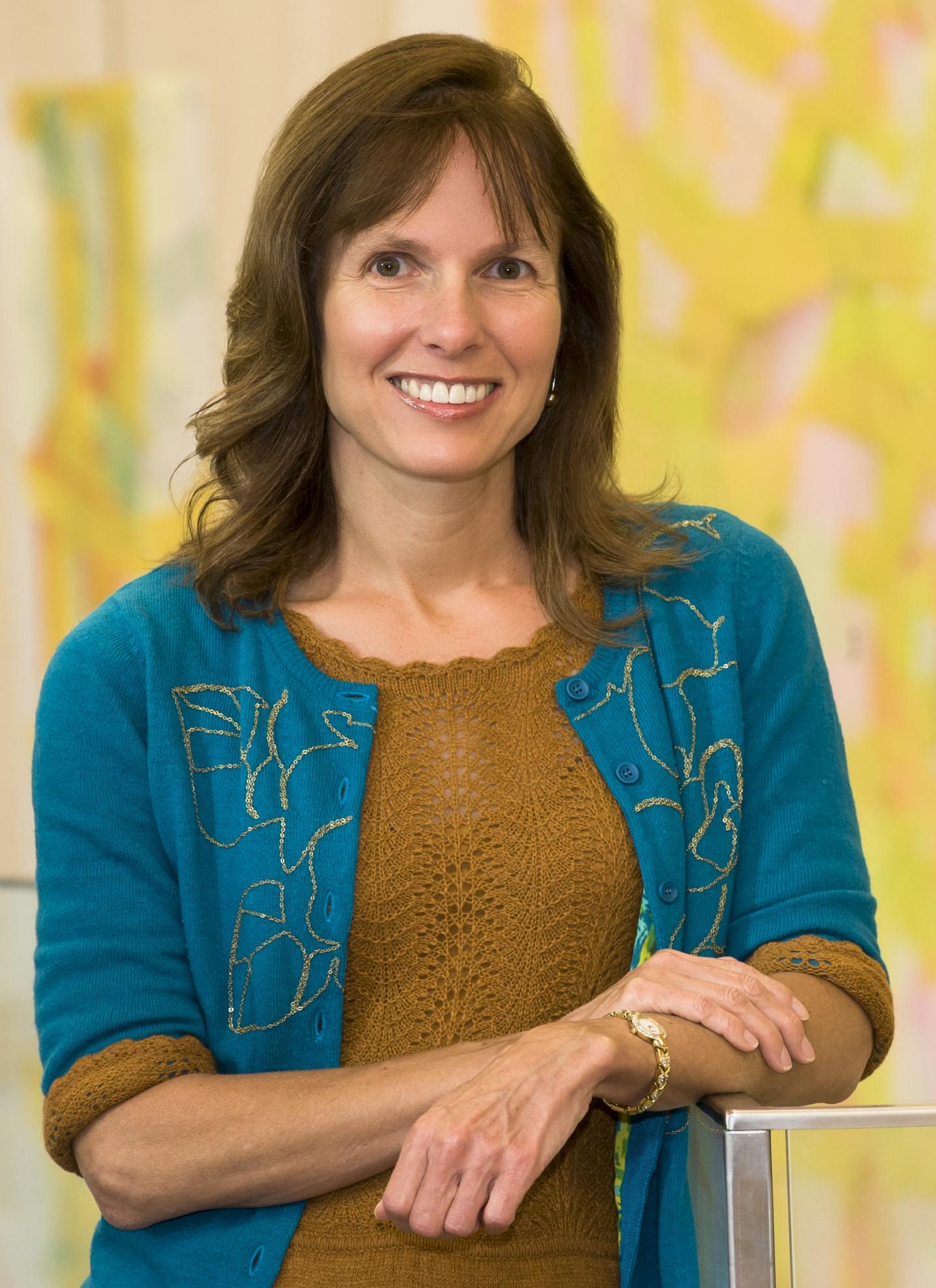
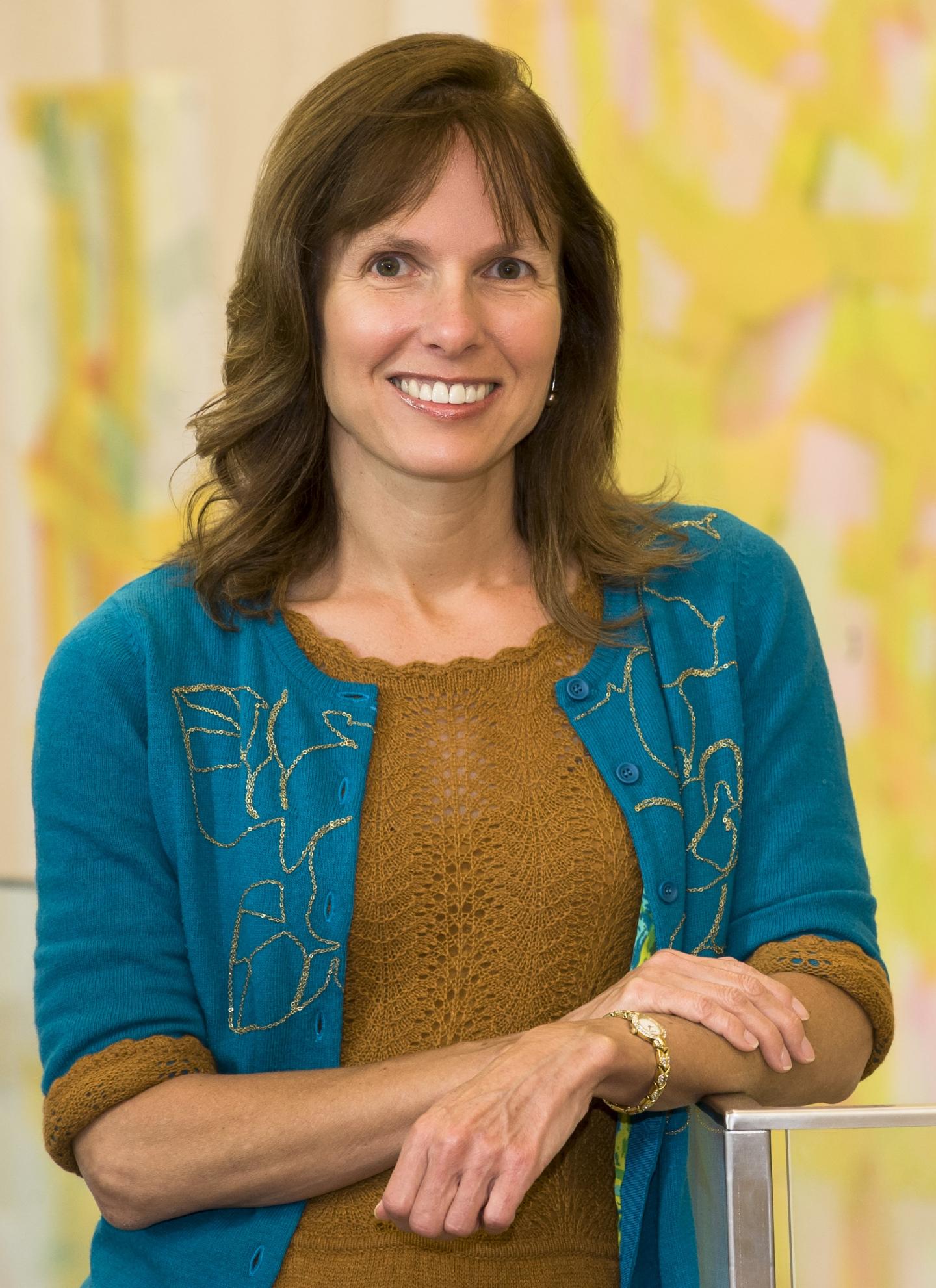
IMAGE

Credit: University of Colorado Cancer Center

According to a University of Colorado Cancer Center study published this week in the Journal of Clinical Oncology, a decade that saw the development of new therapies for non-small cell lung cancer resulted in little survival benefit for patients with advanced-stage disease. In 22,163 patients treated between 2000 and 2011 with newly approved therapies including pemetrexed, erlotinib, or bevacizumab, survival increased by a median 1.5 months. Because these drugs were used in place of older chemotherapies and there was a declining trend in surgeries, inpatient spending fell about $5,600 per person, but this was more than offset by the cost of these new medicines, which raised outpatient spending by about $8,800 per person.

"As new therapies were introduced, they were rapidly adopted and the old therapies were abandoned. Across the population in the past 12 years, these newly approved therapies have made little difference in overall survival," says Cathy Bradley, PhD, associate director for population sciences research at CU Cancer Center.

Unlike clinical trial results, the current study looks beyond the optimal application of these drugs to their use in the real world. For example, Bradley points out, many of these targeted therapies are only useful when directed at a cancer with a specific biomarker but may be used irrespective of biomarker status.

"Take erlotinib," says Bradley. "A patient's tumor must by marked by EGFR for it to be beneficial. But when some patients reach the end of their established options, some oncologists may prescribe erlotinib without the EGFR biomarker in hopes that the patient will benefit."

The decision can be costly. Patients with cancer are 2.5 times more likely to declare bankruptcy than patients who have not had cancer. Bradley points out that in an era of rising drug costs and a higher financial burden placed on patients, treatment often costs $30-40K in out-of-pocket expenses.

"When you talk with patients, leaving their family in financial distress is an important concern," Bradley says.

As Bradley sees it, the challenge of these new medicines is to optimize their value by using them in the population most likely to benefit while working with patients to better understand the costs associated with treatment that may have little or no impact on survival.

"What we see here doesn't definitively mean these drugs are unsuccessful. It means that despite their promise in clinical trials, they haven't made a survival difference in the population. That may be because oncologists are giving them to people who will not benefit. Better predicting who will benefit from newer more expensive therapies is essential to making value-based decisions in the context of very high costs and new medicines," Bradley says.

###

Media Contact

Garth Sundem
[email protected]
@CUAnschutz

http://www.ucdenver.edu

############

Story Source: Materials provided by Scienmag

Share12Tweet8Share2ShareShareShare2

Related Posts

Discrepancy in Deprescribing Choices Among Swiss Doctors, Seniors

January 15, 2026

Nrf2 Boosts Neuronal Growth and Recovery Post-Stroke

January 15, 2026

Non-Immersive VR Training Boosts Motor-Cognitive Skills in Veterans

January 15, 2026

Delays in Cholelithiasis Treatment: Insights from Patients

January 15, 2026
Please login to join discussion

POPULAR NEWS

  • Enhancing Spiritual Care Education in Nursing Programs

    155 shares
    Share 62 Tweet 39
  • PTSD, Depression, Anxiety in Childhood Cancer Survivors, Parents

    147 shares
    Share 59 Tweet 37
  • Robotic Ureteral Reconstruction: A Novel Approach

    75 shares
    Share 30 Tweet 19
  • Study Reveals Lipid Accumulation in ME/CFS Cells

    53 shares
    Share 21 Tweet 13

About

We bring you the latest biotechnology news from best research centers and universities around the world. Check our website.

Follow us

Recent News

Discrepancy in Deprescribing Choices Among Swiss Doctors, Seniors

Nrf2 Boosts Neuronal Growth and Recovery Post-Stroke

Non-Immersive VR Training Boosts Motor-Cognitive Skills in Veterans

Subscribe to Blog via Email

Enter your email address to subscribe to this blog and receive notifications of new posts by email.

Join 71 other subscribers
  • Contact Us

Bioengineer.org © Copyright 2023 All Rights Reserved.

Welcome Back!

Login to your account below

Forgotten Password?

Retrieve your password

Please enter your username or email address to reset your password.

Log In
No Result
View All Result
  • Homepages
    • Home Page 1
    • Home Page 2
  • News
  • National
  • Business
  • Health
  • Lifestyle
  • Science

Bioengineer.org © Copyright 2023 All Rights Reserved.