The mortality rate of COVID-19 patients requiring mechanical ventilation is 30-40%, however, the immunological factors associated with death in critically ill COVID-19 patients are poorly understood. A study published in PLOS Pathogens by Jonathan Youngs at St. George’s University of London, United Kingdom and colleagues suggests an association between systemic inflammation responses and increased mortality of COVID-19 patients.
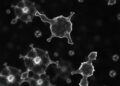
Credit: Nicholas Provine, Jonathan Youngs, and Paul Klenerman, CC-BY 4.0, https://creativecommons.org/licenses/by/4.0/)
The mortality rate of COVID-19 patients requiring mechanical ventilation is 30-40%, however, the immunological factors associated with death in critically ill COVID-19 patients are poorly understood. A study published in PLOS Pathogens by Jonathan Youngs at St. George’s University of London, United Kingdom and colleagues suggests an association between systemic inflammation responses and increased mortality of COVID-19 patients.
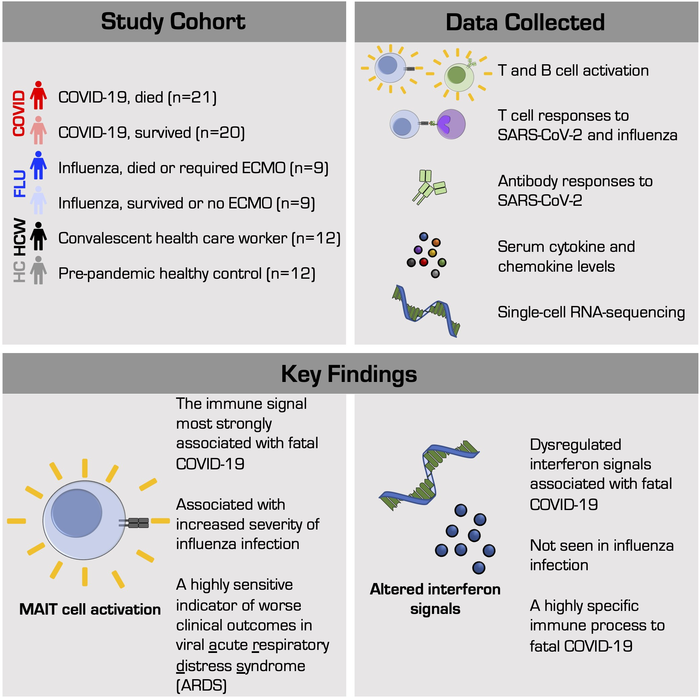
Antibodies and T cells play a critical role in protection from viral illness, however the exact role of T cell and antibody responses in SARS-CoV-2 infection is unclear. To better understand the immune abnormalities linked to critical illness and death in COVID-19 patients on ICU, researchers conducted a prospective observational study investigating the association of T cell and antibody responses with fatal outcome in severe COVID-19. They analyzed serum samples from 41 mechanically ventilated COVID-19 patients, performing immunophenotyping of T cell responses and a range of experiments analyzing antibody responses. They then compared their findings to a parallel set of 18 mechanically ventilated influenza patients, as well as to 12 mild COVID-19 patients and 12 healthy controls.
The researchers found that fatal COVID-19 infections were correlated with poorly coordinated systemic immune responses and elevated mucosal associated invariant (MAIT) cell activation were the strongest predictor of a fatal outcome. However, the study was limited in that it only analyzed samples in a cross sectional manner and did not observe how immune responses changed over the course of the infection. Future studies are needed to explain in depth how mortality-associated immune characteristics may develop over time.
According to the authors, “Our study yields an enhanced understanding of the differential immunopathogenic processes driving critical COVID-19 and influenza, which can translate into improved immunotherapeutic approaches in patients with severe viral pneumonitis.”
“In critically ill patients on ICU with COVID-19 and influenza, an unbiased analysis of the antiviral immune response revealed activation of a specific immune subset -Mucosal-associated invariant T (MAIT) cells – as a strong immunological predictor of death,” the authors add. “Survival in critical COVID-19 is associated with focused immune responses driven mainly by one cytokine – interferon alpha – in contrast to the very broad pro-inflammatory responses seen in those with fatal disease. This cytokine pattern linked to death versus survival separates critical COVID-19 from influenza.”
############
In your coverage please use this URL to provide access to the freely available article in PLOS Pathogens: http://journals.plos.org/plospathogens/article?id=10.1371/journal.ppat.1009804
Citation: Youngs J, Provine NM, Lim N, Sharpe HR, Amini A, Chen Y-L, et al. (2021) Identification of immune correlates of fatal outcomes in critically ill COVID-19 patients. PLoS Pathog 17(9): e1009804. https://doi.org/10.1371/journal.ppat.1009804
Funding: A.A. is supported by a Wellcome Clinical Training Fellowship [216417/Z/19/Z]. H.R.S. is supported by a Wellcome four-year PhD studentship through the IITM Programme [203805/Z/16/Z]. O.S. is supported by a Wellcome four-year PhD studentship through the IITM Programme [108869/Z/15/Z]. D.T.S. is supported by the NIHR Academic Clinical Fellow programme in Oxford. E.B. is supported through the UK Coronavirus Immunology Consortium (UK-CIC; https://www.uk-cic.org), an NIHR Senior Fellowship (https://www.nihr.ac.uk), the NIHR Biomedical Research Centre (Oxford; oxfordbrc.nihr.ac.uk). S.D. is supported by an NIHR Global Research Professorship (nihr.ac.uk). P.K. has support from the Wellcome [WT109965MA], the UK Coronavirus Immunology Consortium (UK-CIC; https://www.uk-cic.org), the NIHR Biomedical Research Centre (Oxford; https://www.oxfordbrc.nihr.ac.uk) and NIHR (UKRIDHSC COVID-19 Rapid Response Rolling Call, Grant Reference Number COV19-RECPLAS. The Healthcare worker cohort at University of Oxford was supported by the UK Department of Health and Social Care as part of the PITCH (Protective Immunity from T cells to Covid-19 in Health workers) Consortium (https://www.pitch-study.org), the UK Coronavirus Immunology Consortium (UK-CIC; https://www.uk-cic.org), the Huo Family Foundation (https://www.huofamilyfoundation.org), and the National Core Study: Immunity (NCSi4P programme) “Optimal cellular assays for SARS-CoV-2 T cell, B cell and innate immunity” (https://www.hdruk.ac.uk/covid-19/covid-19-national-core-studies/). J.Y. and T.B. are supported by the AspiFlu study, funded through a Gilead UK and Ireland Fellowship (Grant ID 07512). The funders had no role in study design, data collection and analysis, decision to publish, or preparation of the manuscript.
Journal
PLoS Pathogens
DOI
10.1371/journal.ppat.1009804
Method of Research
Experimental study
Subject of Research
People
COI Statement
Competing interests: I have read the journal’s policy and the authors of this manuscript have the following competing interests:WH reports lecture fees from Gilead.