• HOME
  • NEWS
  • EXPLORE
    • CAREER
      • Companies
      • Jobs
    • EVENTS
    • iGEM
      • News
      • Team
    • PHOTOS
    • VIDEO
    • WIKI
  • BLOG
  • COMMUNITY
    • FACEBOOK
    • INSTAGRAM
    • TWITTER
Saturday, February 7, 2026
BIOENGINEER.ORG
No Result
View All Result
  • Login
  • HOME
  • NEWS
  • EXPLORE
    • CAREER
      • Companies
      • Jobs
        • Lecturer
        • PhD Studentship
        • Postdoc
        • Research Assistant
    • EVENTS
    • iGEM
      • News
      • Team
    • PHOTOS
    • VIDEO
    • WIKI
  • BLOG
  • COMMUNITY
    • FACEBOOK
    • INSTAGRAM
    • TWITTER
  • HOME
  • NEWS
  • EXPLORE
    • CAREER
      • Companies
      • Jobs
        • Lecturer
        • PhD Studentship
        • Postdoc
        • Research Assistant
    • EVENTS
    • iGEM
      • News
      • Team
    • PHOTOS
    • VIDEO
    • WIKI
  • BLOG
  • COMMUNITY
    • FACEBOOK
    • INSTAGRAM
    • TWITTER
No Result
View All Result
Bioengineer.org
No Result
View All Result
Home NEWS Science News Biology

Novel associations between genetics and vitamin B12 deficiency with an autoimmune etiology

Bioengineer by Bioengineer
September 6, 2025
in Biology
Reading Time: 2 mins read
0
IMAGE
Share on FacebookShare on TwitterShare on LinkedinShare on RedditShare on Telegram

Vitamin B12 is essential for proper functioning of the nervous system and blood cells and also plays an important role in DNA synthesis in all our cells. Vitamin B12 deficiency causes fatigue, muscle weakness, headaches, and sometimes even serious neurological symptoms. Usually, the necessary amounts of B12 are absorbed from food in our digestive tract; however, in 0.1-2% of individuals, the epithelial lining of the stomach fails to produce a glycoprotein intrinsic factor that is needed for proper absorption of B12. This leads to vitamin B12 deficiency and a certain type of anemia called pernicious anemia. Pernicious anemia is most commonly caused by the fact that autoimmune reactions destroy the cells that are responsible for the production of the intrinsic factor.

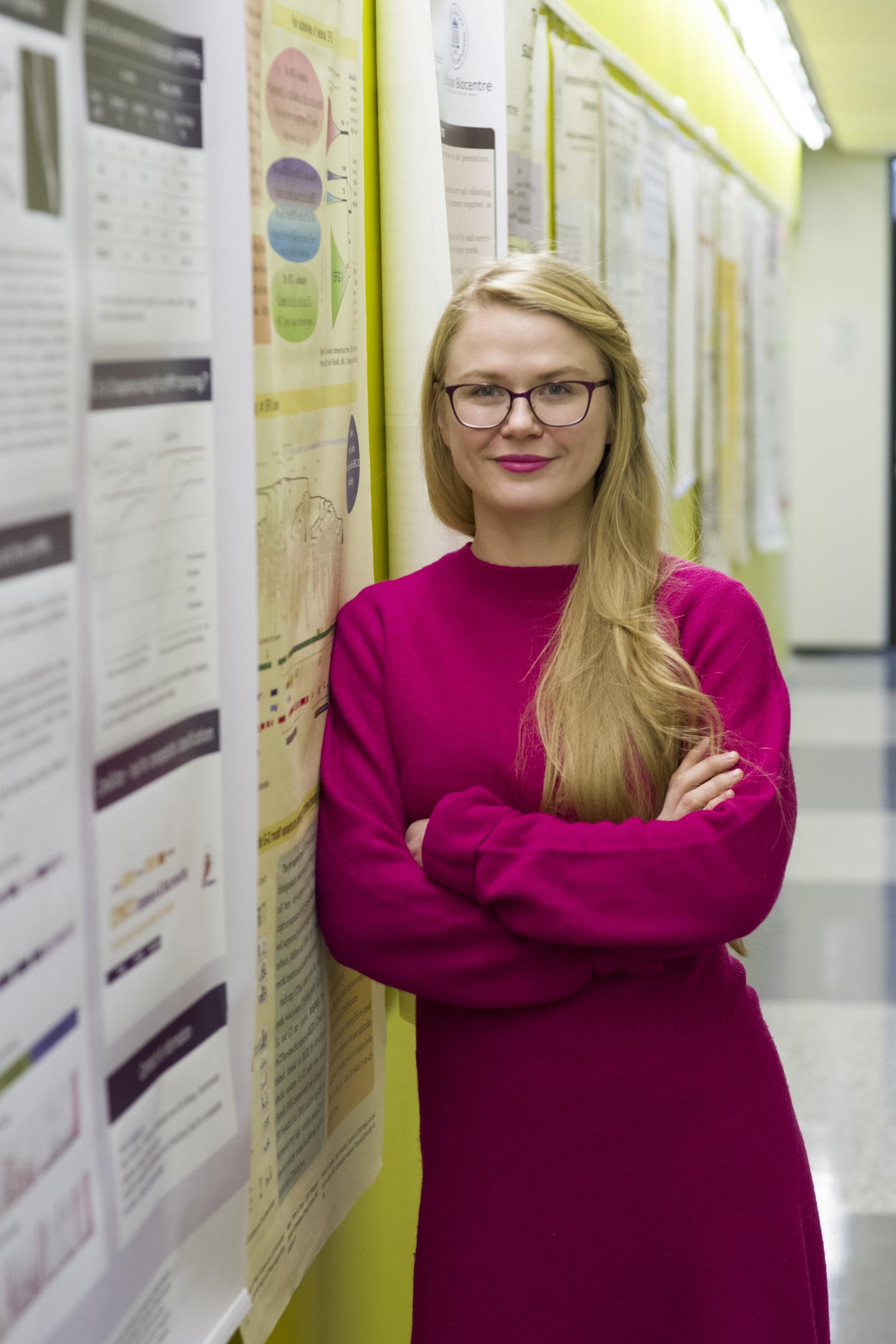
Previously it was known that people with pernicious anemia and their relatives often also have other autoimmune diseases, which points to a genetic predisposition. At the same time, the genetic risk factors for pernicious anemia were unknown, since the condition is very rare and there were no sufficiently large cohorts for conducting genetic studies. “We used large population-based biobank data in our study, which allowed us to study gene variants throughout the genome in a very large number of individuals to find the genetic risk factors of pernicious anemia, ” explained Triin Laisk, the first author of the paper and an Associate Professor at the Institute of Genomics.

The study found pernicious anemia risk is associated with genetic variants that regulate our immune system and that are involved in several other autoimmune diseases. Additionally, the results show some of the genetic risk factors have a larger effect on men. The authors also described associations between pernicious anemia and other autoimmune diseases, gastritis, stomach cancer, intestinal malabsorption, and irritable bowel syndrome, which all reflect the risk factors and autoimmune background of pernicious anemia. “The more we know about associations between diseases, the better we become at counselling patients regarding potential comorbidities,” added Professor Reedik Mägi, who coordinated the study.

This is the first study of such a scale that evaluates the genetic determinants of pernicious anemia. Future studies should focus on the more specific mechanisms of how the identified risk factors lead to the condition. “Although such large-scale genetic studies allow us to take a glimpse at the potential genetic risk factors of a disease, it is still merely the first step to fully understand the biological background and mechanisms,” concluded Laisk.

The authors analysed the genetic data from 150,000 Estonian Biobank participants together with data from other population-based biobanks, bringing the total sample size to 660,000.

###

Media Contact
Triin Laisk
[email protected]

Related Journal Article

http://dx.doi.org/10.1038/s41467-021-24051-6

Tags: BiologyGenetics
Share20Tweet12Share3ShareShareShare2

Related Posts

Florida Cane Toad: Complex Spread and Selective Evolution

Florida Cane Toad: Complex Spread and Selective Evolution

February 7, 2026
New Study Uncovers Mechanism Behind Burn Pit Particulate Matter–Induced Lung Inflammation

New Study Uncovers Mechanism Behind Burn Pit Particulate Matter–Induced Lung Inflammation

February 6, 2026

DeepBlastoid: Advancing Automated and Efficient Evaluation of Human Blastoids with Deep Learning

February 6, 2026

Navigating the Gut: The Role of Formic Acid in the Microbiome

February 6, 2026
Please login to join discussion

POPULAR NEWS

  • Robotic Ureteral Reconstruction: A Novel Approach

    Robotic Ureteral Reconstruction: A Novel Approach

    82 shares
    Share 33 Tweet 21
  • Digital Privacy: Health Data Control in Incarceration

    63 shares
    Share 25 Tweet 16
  • Study Reveals Lipid Accumulation in ME/CFS Cells

    57 shares
    Share 23 Tweet 14
  • Breakthrough in RNA Research Accelerates Medical Innovations Timeline

    53 shares
    Share 21 Tweet 13

About

We bring you the latest biotechnology news from best research centers and universities around the world. Check our website.

Follow us

Recent News

Phage-Antibiotic Combo Beats Resistant Peritoneal Infection

Boosting Remote Healthcare: Stepped-Wedge Trial Insights

Barriers and Boosters of Seniors’ Physical Activity in Karachi

Subscribe to Blog via Email

Enter your email address to subscribe to this blog and receive notifications of new posts by email.

Join 73 other subscribers
  • Contact Us

Bioengineer.org © Copyright 2023 All Rights Reserved.

Welcome Back!

Login to your account below

Forgotten Password?

Retrieve your password

Please enter your username or email address to reset your password.

Log In
No Result
View All Result
  • Homepages
    • Home Page 1
    • Home Page 2
  • News
  • National
  • Business
  • Health
  • Lifestyle
  • Science

Bioengineer.org © Copyright 2023 All Rights Reserved.