New mouse models may shed light on the puzzling aspects of SARS-CoV-2 infection
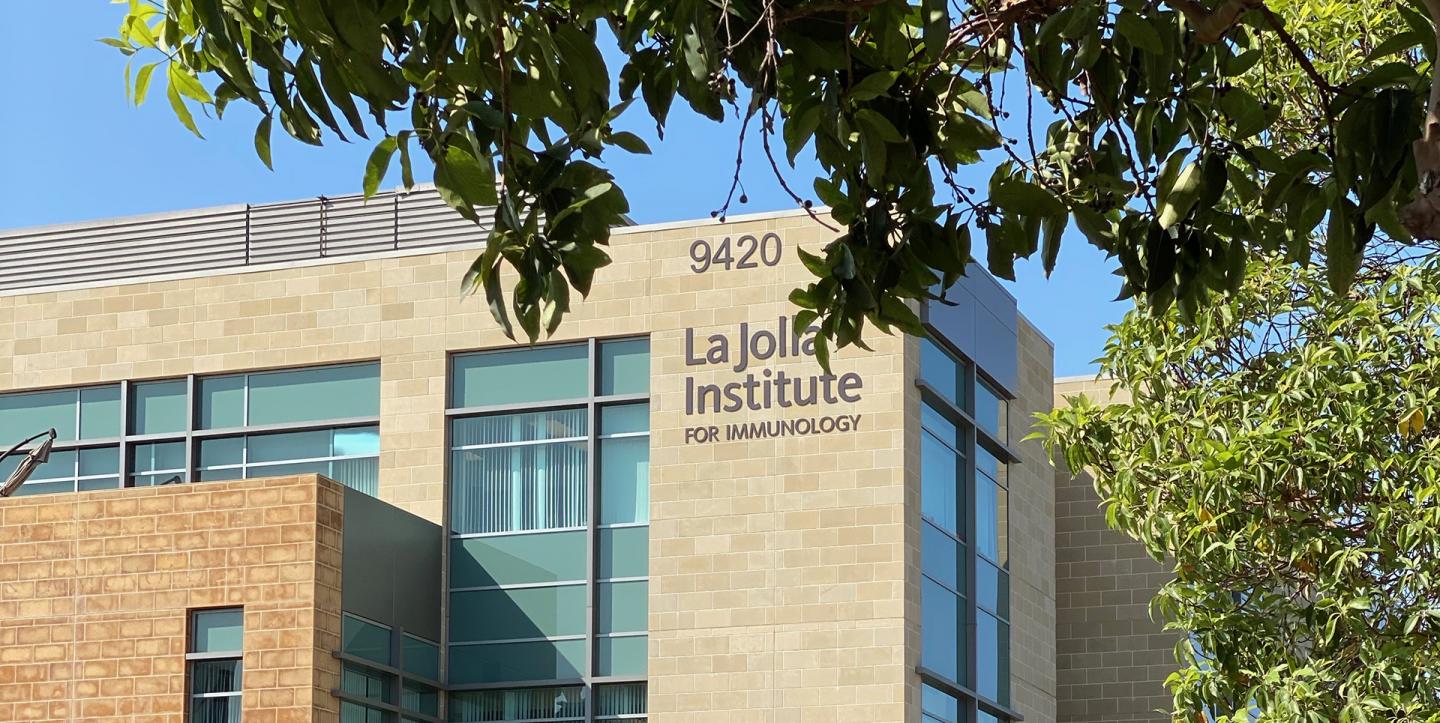
LA JOLLA–The La Jolla Institute for Immunology (LJI) is partnering with Synbal, Inc., a preclinical biotechnology company based in San Diego, CA, to develop multi-gene, humanized mouse models for COVID-19 research. The research at LJI will be led by Professor Sujan Shresta, Ph.D., a member of the Institute’s Center for Infectious Disease and Vaccine Research.
“With this partnership, we are helping tackle the COVID-19 pandemic and establishing a strong collaboration between academia and industry,” says Shresta. “The mouse models we develop will be important tools for all scientists as we develop next generation COVID-19 vaccines and therapies.”
“Synbal is delighted to be able to work with a world class research institute such as LJI on this project,” says David R. Webb, CEO and Board Member of Synbal. “We view our partnership with Dr. Shresta’s group at LJI as critical for a successful outcome.”
Shresta is a leading expert in the development of mouse models for the study of infectious diseases of global relevance. Her work has shed light on virus-host interactions for diseases such as dengue, Zika and Japanese encephalitis.
As a member of the LJI Coronavirus Task Force, Shresta’s lab has launched COVID-19 research collaborations with scientists in Nepal, Vietnam and the Philippines. Her new partnership with Synbal will open the door to better understanding how SARS-CoV-2 spreads and infects different human populations worldwide.
By combining Synbal’s proprietary gene-editing platform, called Active Genetics, with Shresta’s expertise in characterizing immune responses to emerging and re-emerging viral pathogens, the team plans to develop several humanized mouse models to study COVID-19.
Humanized mice are engineered to express specific human proteins on cells of interest. While humanized mouse models have already been developed for COVID-19 research, these initial mouse strains only express a single human protein. Through collaboration with the Shresta lab, Synbal plans to develop mice that express up to three human proteins.
These more complex mouse models are expected to give scientists a window into why SARS-CoV-2 causes a range of disease severities and why some people develop “long COVID.” “With these new models, we will be able to more closely reproduce the key features of COVID-19 observed in humans,” says Shresta. The mice may also be good models for testing antibody-based therapeutics against COVID-19 and “next-generation” vaccines that protect against SARS-CoV-2 variants and future emerging coronaviruses.
Ingrid Stuiver, Ph.D., Senior Director of Translational Research at LJI, worked with Shresta and Synbal to secure the NIH funding. She says the new project is in line with LJI’s mission of “Life Without Disease.”
“The NIH SBIR program is a vehicle that helps technologies discovered at LJI, in collaboration with a corporate partner, design a pathway where development of a therapeutic can begin.” says Stuiver.
This research is being funded by grant #1R44AI157900-01A1 from the National Institute of Allergy and Infectious Diseases, a component of NIH.
###
About La Jolla Institute for Immunology
The La Jolla Institute for Immunology is dedicated to understanding the intricacies and power of the immune system so that we may apply that knowledge to promote human health and prevent a wide range of diseases. Since its founding in 1988 as an independent, nonprofit research organization, the Institute has made numerous advances leading toward its goal: life without disease.
Media Contact
Gina Kirchweger
[email protected]