Opportunities in energy research and applications to contemporary energy needs.
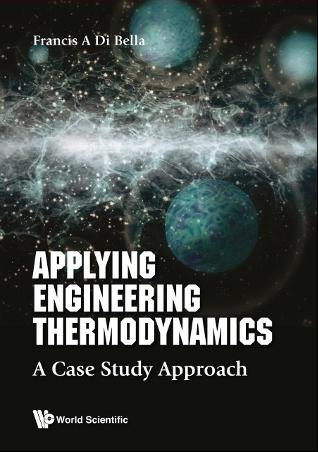
Credit: World Scientific
The progress of civilization is dependent on the effective use of energy and its transformation; from the sources of energy to how it can be applied to solve the needs of the citizens of this planet. The rules for the effective transformation and application of energy to these needs are actually very few: The three Laws of Thermodynamics (there’s even a Zeroth Law for the very strict academics among us!). The correct application of these Laws should not be restricted to only professional engineers but extended to the practical engineer in all of us. This practical text not only provides the basics of engineering thermodynamics but also describes how they can be applied by both the trained and untrained energy entrepreneur, to contemporary problems of effective energy use on Earth.
How is this textbook in applied thermodynamics different from others? The typical undergraduate textbook in engineering thermodynamics attempts to cover the complete range of topics that are considered to be classical thermodynamics. Typically the instruction includes examples of thermodynamic problems that use one or two equations specific to each chapter, with a focus on manual calculation and endless charts and figures associated with various fluids. However, from practical experience, the author has found that a more complete and satisfying understanding of the subject of thermodynamics can be acquired through succinct review of just the First and Second Laws of Thermodynamics and only seven basic engineering devices that constitute all of the “real-world’s” engineered systems. With a focussed presentation on these two Laws of Thermodynamics and a succinct thermodynamic description of these seven primary engineered devices, the textbook proceeds to then demonstrate how these two universal laws and the seven basic engineering devices can be used to transform energy to any useful need, limited only by the imagination and creativity of the entrepreneur in all of us.
This textbook is intended for the dedicated, career minded, undergraduate engineering student as well as any lay person who is entrepreneurial and inventive with ideas for a sustainable energy future; someone who has an idea for utilizing energy in a new or an improved way but needs the basic understanding of the energy “Rules” that drive the Universe in order to demonstrate the feasibility of these ideas. This textbook not only provides the basic instructions to help guide these entrepreneurial ideas and test their potential viability, but also provides new research projects for applying thermodynamics to practical energy applications.
Applying Engineering Thermodynamics: A Case Study Approach retails for US$118 / £105 (hardcover) and is also available in electronic formats. To order or know more about the book, visit http://www.
###
About the Author
Francis A Di Bella is a Professional Engineer, Mechanical Engineering Consultant, and Senior Adjunct University Instructor in Mechanical Engineering. His primary engineering consulting and research focus is in the utilization of energy in practical and effective ways to help solve the increasing energy needs of the future. He continues to be a returning guest on a podcast recorded in Great Britain: “Entropy to Work”.
About World Scientific Publishing Co.
World Scientific Publishing is a leading international independent publisher of books and journals for the scholarly, research and professional communities. World Scientific collaborates with prestigious organisations like the Nobel Foundation and US National Academies Press to bring high quality academic and professional content to researchers and academics worldwide. The company publishes about 600 books and over 140 journals in various fields annually. To find out more about World Scientific, please visit http://www.
For more information, contact Amanda at [email protected].
Media Contact
Amanda Yun
[email protected]
Original Source
https:/