• HOME
  • NEWS
  • EXPLORE
    • CAREER
      • Companies
      • Jobs
    • EVENTS
    • iGEM
      • News
      • Team
    • PHOTOS
    • VIDEO
    • WIKI
  • BLOG
  • COMMUNITY
    • FACEBOOK
    • INSTAGRAM
    • TWITTER
Sunday, February 8, 2026
BIOENGINEER.ORG
No Result
View All Result
  • Login
  • HOME
  • NEWS
  • EXPLORE
    • CAREER
      • Companies
      • Jobs
        • Lecturer
        • PhD Studentship
        • Postdoc
        • Research Assistant
    • EVENTS
    • iGEM
      • News
      • Team
    • PHOTOS
    • VIDEO
    • WIKI
  • BLOG
  • COMMUNITY
    • FACEBOOK
    • INSTAGRAM
    • TWITTER
  • HOME
  • NEWS
  • EXPLORE
    • CAREER
      • Companies
      • Jobs
        • Lecturer
        • PhD Studentship
        • Postdoc
        • Research Assistant
    • EVENTS
    • iGEM
      • News
      • Team
    • PHOTOS
    • VIDEO
    • WIKI
  • BLOG
  • COMMUNITY
    • FACEBOOK
    • INSTAGRAM
    • TWITTER
No Result
View All Result
Bioengineer.org
No Result
View All Result
Home NEWS Science News

Researchers identify new suppressor effects of the NOX4 protein in liver cancer

Bioengineer by Bioengineer
December 20, 2016
in Science News
Reading Time: 2 mins read
0
Share on FacebookShare on TwitterShare on LinkedinShare on RedditShare on Telegram
IMAGE

Credit: IDIBELL

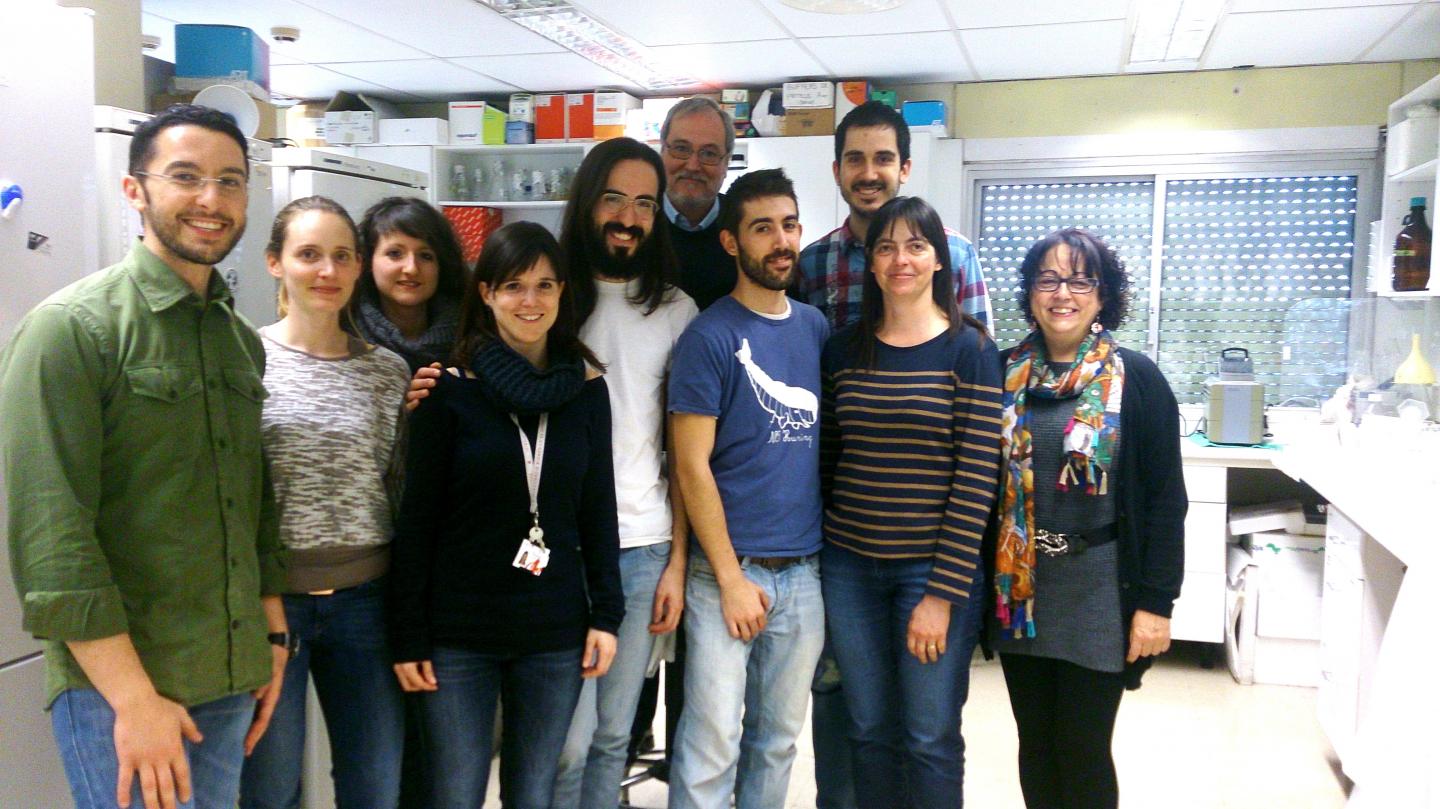
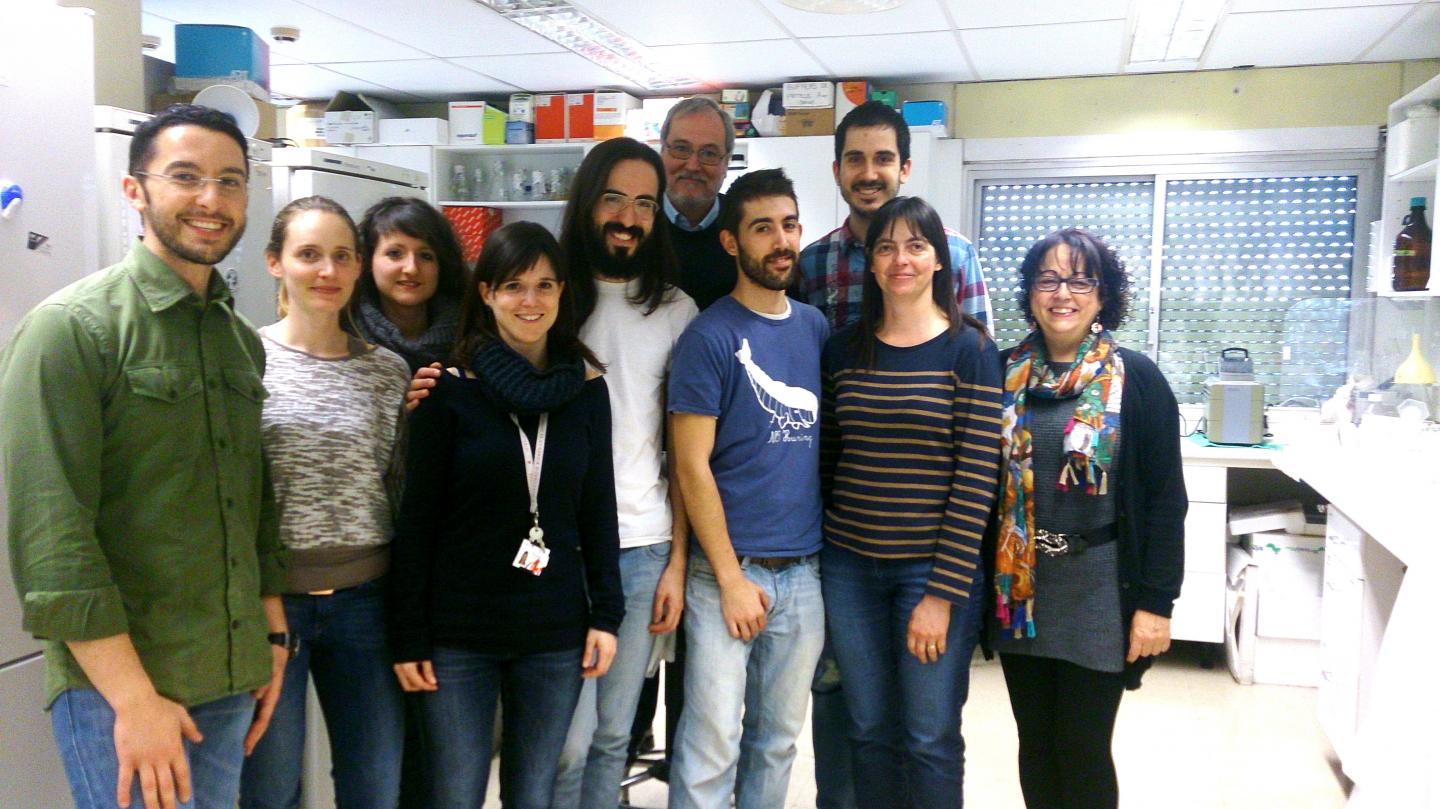
Researchers of the TGF-beta and Cancer group of Bellvitge Biomedical Research Institute (IDIBELL), in collaboration with King's College London, have unveiled the role of NADPH oxidase NOX4 as an inhibitor of the epithelial-amoeboid transition, a process that contributes to the migration and invasion of tumor cells. The study has just been published in the journal Oncogene.

In previous studies, the researchers suggested that NOX4 acts as a tumor suppressor in the liver, through inhibiting cell proliferation. "In this work, we proved that NOX4 also is an important inhibitor of the invasion and metastasis of liver tumor cells," explains Dr. Isabel Fabregat, leader of the IDIBELL research group.

In vitro studies indicate that NOX4 silencing in liver tumor cells induces a migratory movement known as amoeboid. The amoeboid movement, related to cell contractility, is regulated by the Rho family of proteins; increased expression of these proteins results in this type of movement, associated with aggressive metastases.

In the study in hepatocellular carcinoma patients, it was observed that a significant number of cases present NOX4 deletions; in addition, those patients with a low expression of NOX4 and a high expression of Rho proteins had a much worse prognosis. "This gives to our in vitro study a translational relevance, since it brings forward new prognostic biomarkers for this type of cancer", the IDIBELL researcher comments.

NOX4 is regulated at the transcriptional level by the TGF-beta cytokine, which has been studied by the research group for more than 15 years. It is known that TGF-beta acts as a tumor suppressor in early stages, but it becomes an inductor in late ones. According to previous studies of the group, when the expression level of NOX4 is high, TGF-beta behaves like a suppressor so the use of drugs inhibiting TGF-beta would be counterproductive. The present study suggests that when the expression levels of NOX4 are low and those of Rho proteins are high, patients could be ideal candidates for this type of drug. "Thus, low expression of NOX4 could not only be used as a marker of poor prognosis but also as a marker for the use of TGF-beta inhibitory drugs," concludes Dr. Fabregat.

###

The work, whose main author is Eva Crosas-Molist, was co-directed by Victoria Sanz Moreno, from King's College, and Isabel Fabregat from IDIBELL. These findings have redirected the research line of the IDIBELL group, which will now focus on in-depth study of the molecular mechanisms regulated by NOX4 in liver cancer.

Media Contact

Gemma Fornons
[email protected]
0034-638-685-074
@idibell_en

Inicio

############

Story Source: Materials provided by Scienmag

Share12Tweet8Share2ShareShareShare2

Related Posts

Guiding Patients Through Obesity Diagnosis: A Primer

February 8, 2026

Evaluating a Self-Care App for Chest Trauma Patients

February 8, 2026

Anesthesia Method’s Impact on Elderly Hip Fracture Recovery

February 8, 2026

Menopause Care: Insights from Workforce Review and Consultation

February 7, 2026
Please login to join discussion

POPULAR NEWS

  • Robotic Ureteral Reconstruction: A Novel Approach

    Robotic Ureteral Reconstruction: A Novel Approach

    82 shares
    Share 33 Tweet 21
  • Digital Privacy: Health Data Control in Incarceration

    63 shares
    Share 25 Tweet 16
  • Breakthrough in RNA Research Accelerates Medical Innovations Timeline

    53 shares
    Share 21 Tweet 13
  • Mapping Tertiary Lymphoid Structures for Kidney Cancer Biomarkers

    50 shares
    Share 20 Tweet 13

About

We bring you the latest biotechnology news from best research centers and universities around the world. Check our website.

Follow us

Recent News

Guiding Patients Through Obesity Diagnosis: A Primer

Evaluating a Self-Care App for Chest Trauma Patients

Anesthesia Method’s Impact on Elderly Hip Fracture Recovery

Subscribe to Blog via Email

Enter your email address to subscribe to this blog and receive notifications of new posts by email.

Join 73 other subscribers
  • Contact Us

Bioengineer.org © Copyright 2023 All Rights Reserved.

Welcome Back!

Login to your account below

Forgotten Password?

Retrieve your password

Please enter your username or email address to reset your password.

Log In
No Result
View All Result
  • Homepages
    • Home Page 1
    • Home Page 2
  • News
  • National
  • Business
  • Health
  • Lifestyle
  • Science

Bioengineer.org © Copyright 2023 All Rights Reserved.