• HOME
  • NEWS
  • EXPLORE
    • CAREER
      • Companies
      • Jobs
    • EVENTS
    • iGEM
      • News
      • Team
    • PHOTOS
    • VIDEO
    • WIKI
  • BLOG
  • COMMUNITY
    • FACEBOOK
    • INSTAGRAM
    • TWITTER
Monday, October 5, 2026
BIOENGINEER.ORG
No Result
View All Result
  • Login
  • HOME
  • NEWS
  • EXPLORE
    • CAREER
      • Companies
      • Jobs
        • Lecturer
        • PhD Studentship
        • Postdoc
        • Research Assistant
    • EVENTS
    • iGEM
      • News
      • Team
    • PHOTOS
    • VIDEO
    • WIKI
  • BLOG
  • COMMUNITY
    • FACEBOOK
    • INSTAGRAM
    • TWITTER
  • HOME
  • NEWS
  • EXPLORE
    • CAREER
      • Companies
      • Jobs
        • Lecturer
        • PhD Studentship
        • Postdoc
        • Research Assistant
    • EVENTS
    • iGEM
      • News
      • Team
    • PHOTOS
    • VIDEO
    • WIKI
  • BLOG
  • COMMUNITY
    • FACEBOOK
    • INSTAGRAM
    • TWITTER
No Result
View All Result
Bioengineer.org
No Result
View All Result
Home NEWS Science News

Pacific Northwest researchers to play key role in new Manufacturing USA Institute

Bioengineer by Bioengineer
December 19, 2016
in Science News
Reading Time: 2 mins read
0
Share on FacebookShare on TwitterShare on LinkedinShare on RedditShare on Telegram
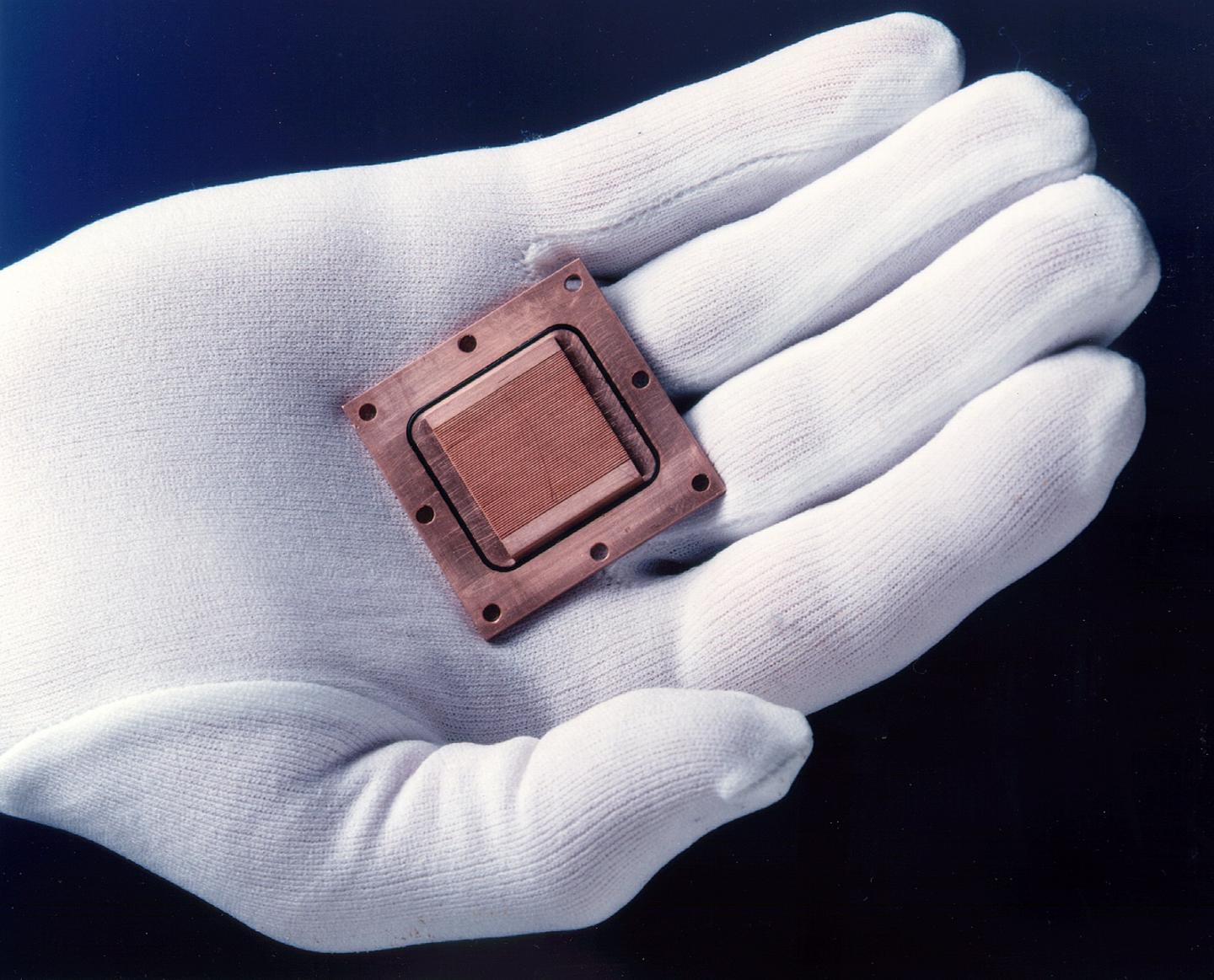
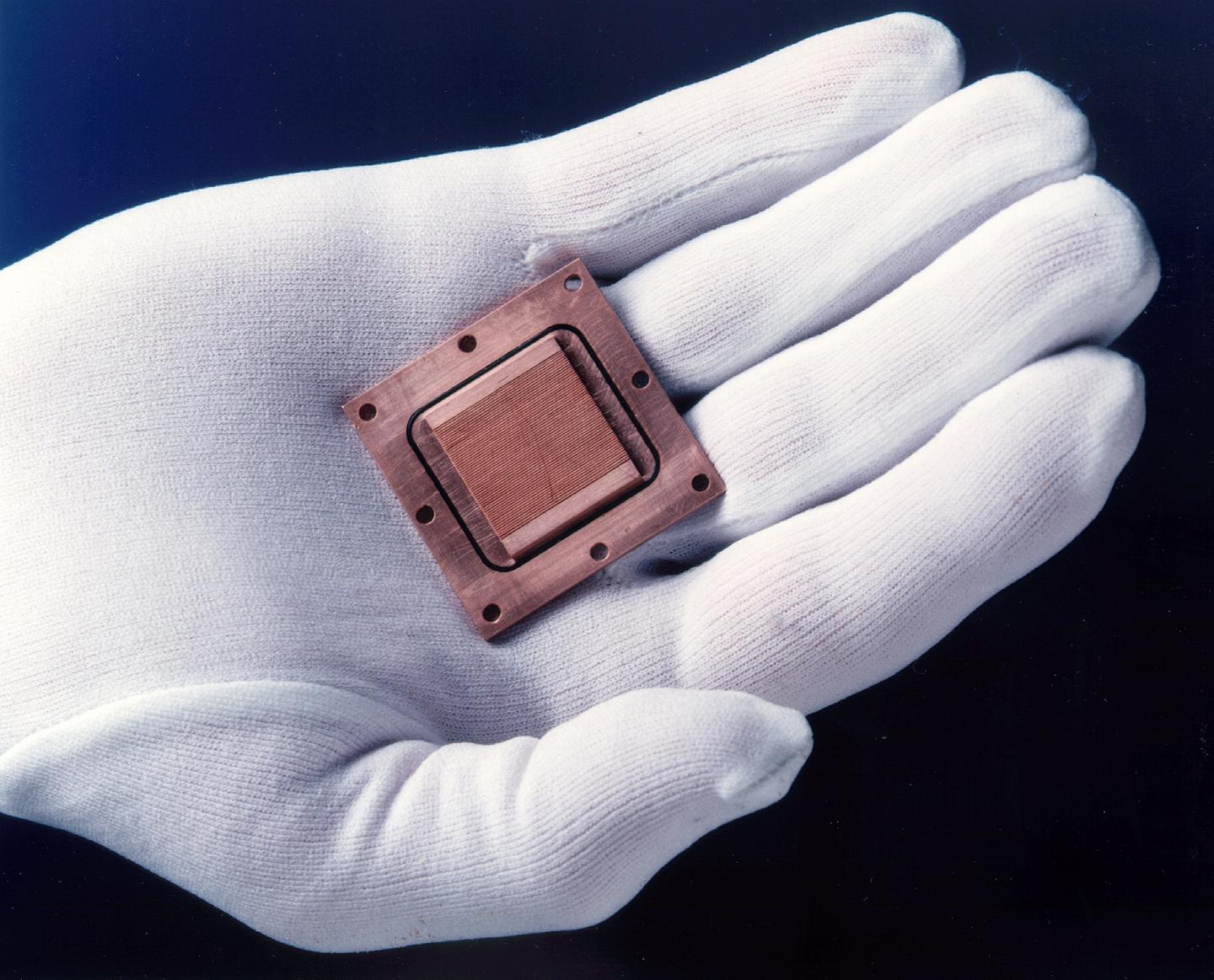
IMAGE

Credit: PNNL

RICHLAND, Wash. – Getting more production output from a chemical operation or performing the same process more efficiently in a much smaller footprint could save U.S. manufacturers billions of dollars and create new jobs. It's known as process intensification and two Northwest institutions are part of the team that's been tapped to make it happen.

The Department of Energy's Pacific Northwest National Laboratory and Oregon State University are part of the newest institute under the Manufacturing USA Initiative. DOE recently announced that the American Institute of Chemical Engineers will lead the institute, named Rapid Advancement in Process Intensification Deployment.

The RAPID institute will focus on finding breakthrough technologies to improve efficiency and productivity in industries manufacturing products such as oil and gas, pulp and paper, and chemicals. These improved technologies have the potential to save more than $9 billion annually in process costs.

PNNL and OSU will co-lead the Module and Component Manufacturing Focus Area for the institute, leveraging years of collective experience in process intensification technology development. This collaboration includes the Microproducts Breakthrough Institute in Corvallis, Ore., which has been active since 2003 in the commercialization of microchannel-based technologies for process intensification.

"The goal is to advance lower-cost process intensification equipment in partnerships with chemical equipment suppliers who are involved with RAPID," said Ward TeGrotenhuis, senior research engineer at PNNL and RAPID focus area co-leader.

The PNNL/OSU team will redesign and ready a wide variety of devices for commercial production. The technologies could come from any of the 75 companies, 34 academic intuitions, seven national laboratories and other organizations from across the country that make up the RAPID Manufacturing Institute.

PNNL also leads the Northwest Regional Manufacturing Center — a related effort focused on smart manufacturing. OSU is also part of the Northwest team for that Institute as well.

The RAPID institute leverages up to $70 million in federal funding from DOE's Office of Energy Efficiency and Renewable Energy over five years, subject to appropriations, combined with more than $70 million in private cost-share commitments from the Institute partners.

###

Interdisciplinary teams at Pacific Northwest National Laboratory address many of America's most pressing issues in energy, the environment and national security through advances in basic and applied science. Founded in 1965, PNNL employs 4,400 staff and has an annual budget of nearly $1 billion. It is managed by Battelle for the U.S. Department of Energy's Office of Science. As the single largest supporter of basic research in the physical sciences in the United States, the Office of Science is working to address some of the most pressing challenges of our time. For more information on PNNL, visit the PNNL News Center, or follow PNNL on Facebook, Google+, LinkedIn and Twitter.

Media Contact

Susan Bauer
[email protected]
509-372-6083
@PNNLab

http://www.pnnl.gov/news

############

Story Source: Materials provided by Scienmag
Share12Tweet8Share2ShareShareShare2

Related Posts

Molten Salt Electrochemistry Turns CO2 Into Carbon That Steels Itself Away

Molten Salt Electrochemistry Turns CO2 Into Carbon That Steels Itself Away

October 5, 2026
Pancreatic Cancer Burden Climbs in China and the US as Risk Factors Diverge

Pancreatic Cancer Burden Climbs in China and the US as Risk Factors Diverge

October 5, 2026

When AI Hears Africa: The Hidden Bias in Generative Music Systems

October 5, 2026

Hybrid Compression Scheme Shrinks Images While Keeping Quality Intact

October 5, 2026
Please login to join discussion

POPULAR NEWS

  • Alloys That Shrink Their Own Grains: New PIX Mechanism Refines Metals With Heat Alone

    Alloys That Shrink Their Own Grains: New PIX Mechanism Refines Metals With Heat Alone

    29 shares
    Share 12 Tweet 7
  • Endurance Exercise Reshapes the Liver in Males and Females Through Distinct Molecular Routes

    29 shares
    Share 12 Tweet 7
  • Single Transcription Factor PU.1 Rapidly Converts Fibroblasts into Macrophage-Lineage Cells

    29 shares
    Share 12 Tweet 7
  • New Scale Measures How Ready Nurse Educators Really Are for the AI Era

    29 shares
    Share 12 Tweet 7

About

We bring you the latest biotechnology news from best research centers and universities around the world. Check our website.

Follow us

Recent News

Alloys That Shrink Their Own Grains: New PIX Mechanism Refines Metals With Heat Alone

Endurance Exercise Reshapes the Liver in Males and Females Through Distinct Molecular Routes

Single Transcription Factor PU.1 Rapidly Converts Fibroblasts into Macrophage-Lineage Cells

Subscribe to Blog via Email

Success! An email was just sent to confirm your subscription. Please find the email now and click 'Confirm' to start subscribing.

Join 85 other subscribers
  • Contact Us

Bioengineer.org © Copyright 2023 All Rights Reserved.

Welcome Back!

Login to your account below

Forgotten Password?

Retrieve your password

Please enter your username or email address to reset your password.

Log In
No Result
View All Result
  • Homepages
    • Home Page 1
    • Home Page 2
  • News
  • National
  • Business
  • Health
  • Lifestyle
  • Science

Bioengineer.org © Copyright 2023 All Rights Reserved.