• HOME
  • NEWS
  • EXPLORE
    • CAREER
      • Companies
      • Jobs
    • EVENTS
    • iGEM
      • News
      • Team
    • PHOTOS
    • VIDEO
    • WIKI
  • BLOG
  • COMMUNITY
    • FACEBOOK
    • INSTAGRAM
    • TWITTER
Saturday, February 7, 2026
BIOENGINEER.ORG
No Result
View All Result
  • Login
  • HOME
  • NEWS
  • EXPLORE
    • CAREER
      • Companies
      • Jobs
        • Lecturer
        • PhD Studentship
        • Postdoc
        • Research Assistant
    • EVENTS
    • iGEM
      • News
      • Team
    • PHOTOS
    • VIDEO
    • WIKI
  • BLOG
  • COMMUNITY
    • FACEBOOK
    • INSTAGRAM
    • TWITTER
  • HOME
  • NEWS
  • EXPLORE
    • CAREER
      • Companies
      • Jobs
        • Lecturer
        • PhD Studentship
        • Postdoc
        • Research Assistant
    • EVENTS
    • iGEM
      • News
      • Team
    • PHOTOS
    • VIDEO
    • WIKI
  • BLOG
  • COMMUNITY
    • FACEBOOK
    • INSTAGRAM
    • TWITTER
No Result
View All Result
Bioengineer.org
No Result
View All Result
Home NEWS Science News

New approach for cancer prevention in BRCA1 mutation-positive women from Josef Penninger

Bioengineer by Bioengineer
December 15, 2016
in Science News
Reading Time: 2 mins read
0
Share on FacebookShare on TwitterShare on LinkedinShare on RedditShare on Telegram
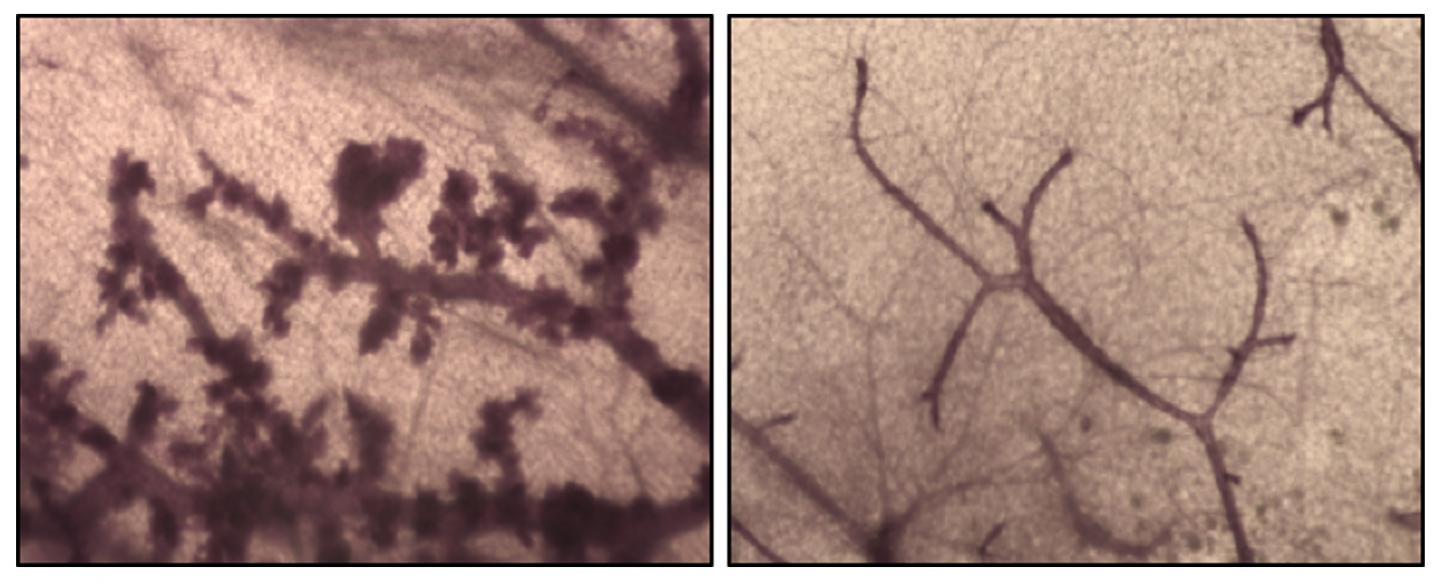
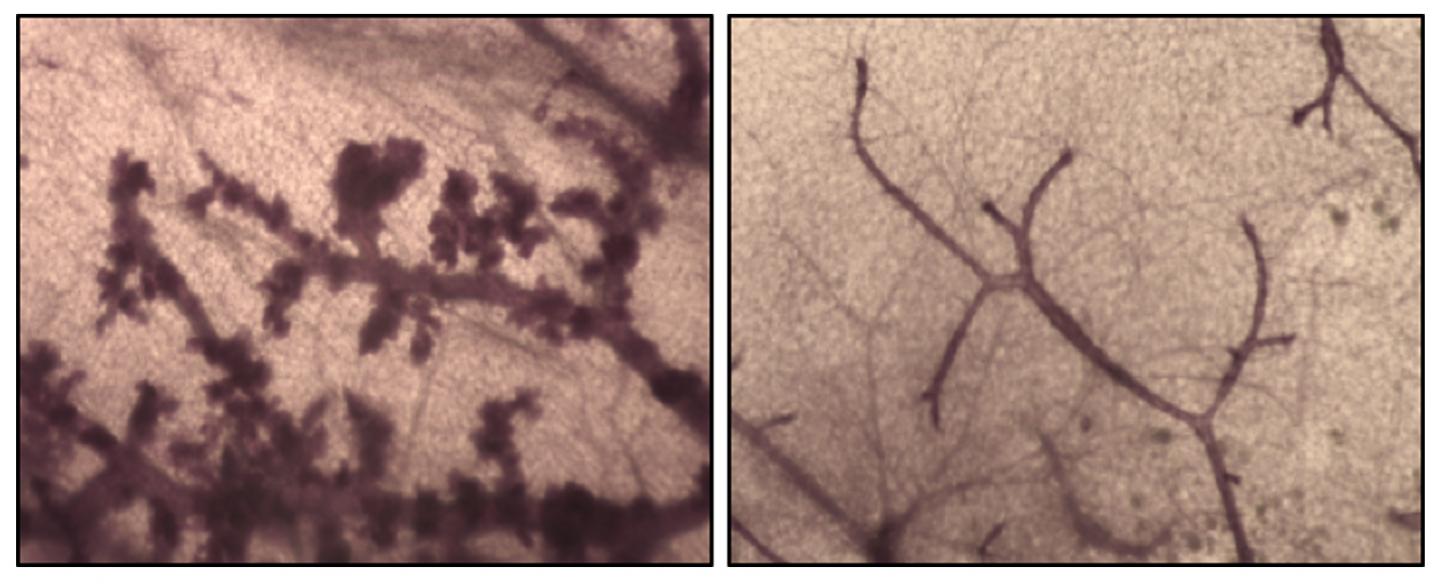
IMAGE

Credit: copyright: IMBA

Women with inherited mutations in the BRCA1 or BRCA2 genes are at substantially higher risk of breast cancer. For these women, effective prevention strategies are their best hope to reduce their breast cancer risk. In FY11, Dr. Josef Penninger received an Innovator Award from the BCRP to pursue a project that could immediately impact breast cancer prevention.

Dr. Penninger's team was the first to demonstrate that two proteins, RANK and RANKL, are important regulators of bone loss, ultimately leading to FDA approval of RANKL-blocking drugs for osteoporosis. His team later discovered that the RANK/RANKL system is also essential for the formation of the lactating mammary gland during pregnancy and that it forms a crucial molecular link between sex hormones, development of breast cancer, and subsequent metastasis to bone. Interestingly, RANK signaling was found to act on mammary epithelial progenitor cells, which are also believed to be "seed cells" for triple-negative breast cancer in carriers with BRCA1/2 mutations. With his BCRP Innovator Award, Dr. Penninger investigated whether RANKL inhibition could be used to prevent breast cancer in mouse models.

Dr. Penninger's results showed that inactivation of RANK markedly delayed and in some cases even prevented the development of breast cancer in mice with mutated BRCA1. The loss of RANK also impaired the progression of breast tumors to high-grade malignancies. These effects were observed both when RANK was inactivated genetically and when mice received preventive pharmacological RANKL inhibitors.

Dr. Penninger has documented that RANK/RANKL are highly expressed in pre-malignant lesions and breast cancer in women with BRCA mutations, and that common variants of RANK are associated with increased breast cancer risk among these women. Future experiments, especially carefully designed clinical trials, will be needed to assess whether RANKL inhibitors offer an advantage over current prevention techniques like Tamoxifen or oophorectomy. However, these findings raise the exciting possibility that inhibition of RANKL, for which there is already a drug that has a good safety record and is approved by the Food and Drug Administration, could offer a novel, targeted approach for breast cancer prevention in women with BRCA1 mutations.

###

Media Contact

Gail Whitehead
[email protected]
301-619-7783

http://cdmrp.army.mil

############

Story Source: Materials provided by Scienmag

Share12Tweet8Share2ShareShareShare2

Related Posts

Evaluating Pediatric Emergency Care Quality in Ethiopia

February 7, 2026

TPMT Expression Predictions Linked to Azathioprine Side Effects

February 7, 2026

Improving Dementia Care with Enhanced Activity Kits

February 7, 2026

Decoding Prostate Cancer Origins via snFLARE-seq, mxFRIZNGRND

February 7, 2026
Please login to join discussion

POPULAR NEWS

  • Robotic Ureteral Reconstruction: A Novel Approach

    Robotic Ureteral Reconstruction: A Novel Approach

    82 shares
    Share 33 Tweet 21
  • Digital Privacy: Health Data Control in Incarceration

    63 shares
    Share 25 Tweet 16
  • Study Reveals Lipid Accumulation in ME/CFS Cells

    57 shares
    Share 23 Tweet 14
  • Breakthrough in RNA Research Accelerates Medical Innovations Timeline

    53 shares
    Share 21 Tweet 13

About

We bring you the latest biotechnology news from best research centers and universities around the world. Check our website.

Follow us

Recent News

Evaluating Pediatric Emergency Care Quality in Ethiopia

TPMT Expression Predictions Linked to Azathioprine Side Effects

Improving Dementia Care with Enhanced Activity Kits

Subscribe to Blog via Email

Enter your email address to subscribe to this blog and receive notifications of new posts by email.

Join 73 other subscribers
  • Contact Us

Bioengineer.org © Copyright 2023 All Rights Reserved.

Welcome Back!

Login to your account below

Forgotten Password?

Retrieve your password

Please enter your username or email address to reset your password.

Log In
No Result
View All Result
  • Homepages
    • Home Page 1
    • Home Page 2
  • News
  • National
  • Business
  • Health
  • Lifestyle
  • Science

Bioengineer.org © Copyright 2023 All Rights Reserved.