• HOME
  • NEWS
  • EXPLORE
    • CAREER
      • Companies
      • Jobs
    • EVENTS
    • iGEM
      • News
      • Team
    • PHOTOS
    • VIDEO
    • WIKI
  • BLOG
  • COMMUNITY
    • FACEBOOK
    • INSTAGRAM
    • TWITTER
Sunday, October 4, 2026
BIOENGINEER.ORG
No Result
View All Result
  • Login
  • HOME
  • NEWS
  • EXPLORE
    • CAREER
      • Companies
      • Jobs
        • Lecturer
        • PhD Studentship
        • Postdoc
        • Research Assistant
    • EVENTS
    • iGEM
      • News
      • Team
    • PHOTOS
    • VIDEO
    • WIKI
  • BLOG
  • COMMUNITY
    • FACEBOOK
    • INSTAGRAM
    • TWITTER
No Result
View All Result
Bioengineer.org
No Result
View All Result
Home NEWS Science News

Mind-controlled toys: The next generation of Christmas presents?

Bioengineer by Bioengineer
December 15, 2016
in Science News
Reading Time: 2 mins read
0
Share on FacebookShare on TwitterShare on LinkedinShare on RedditShare on Telegram
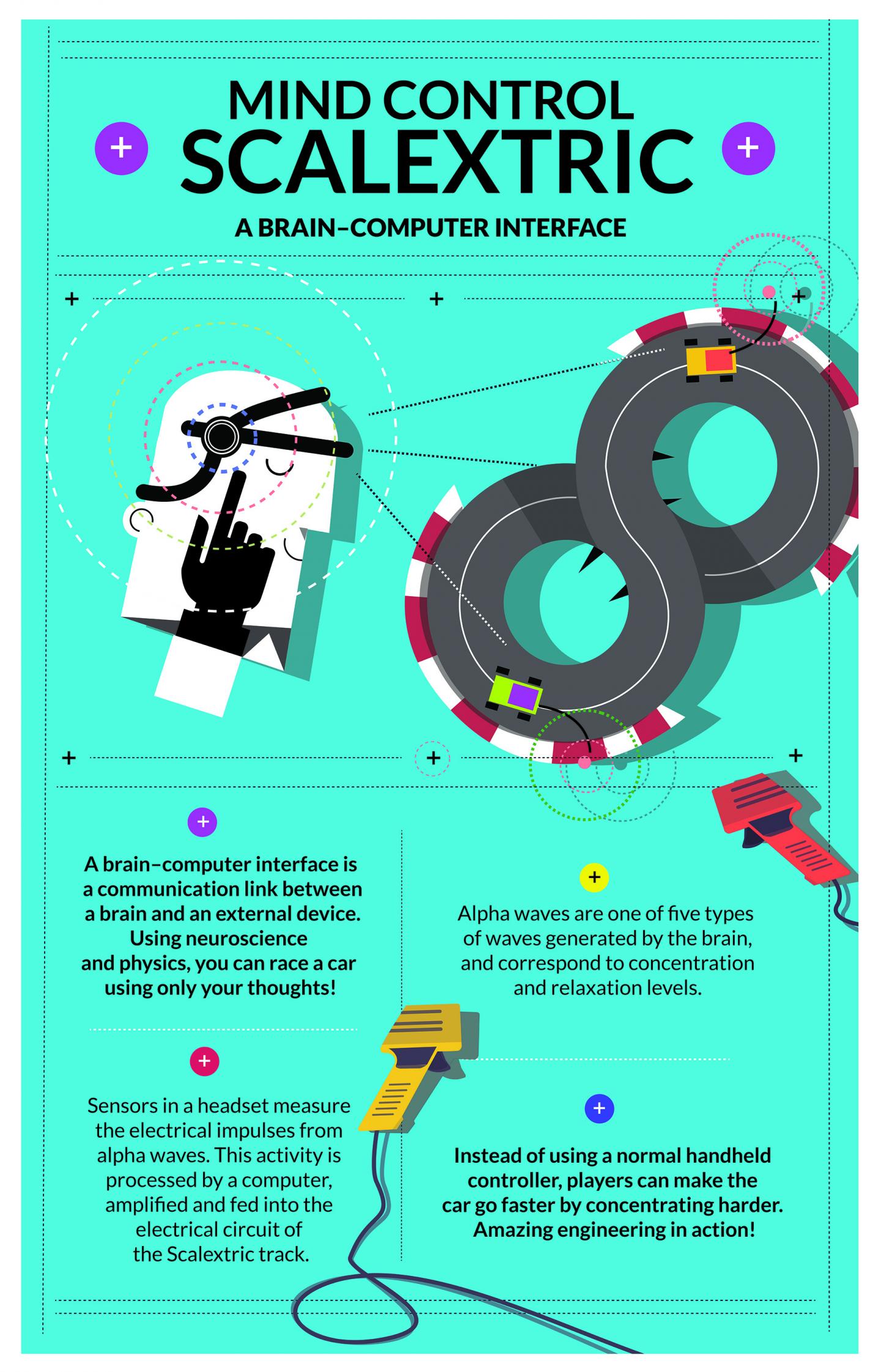
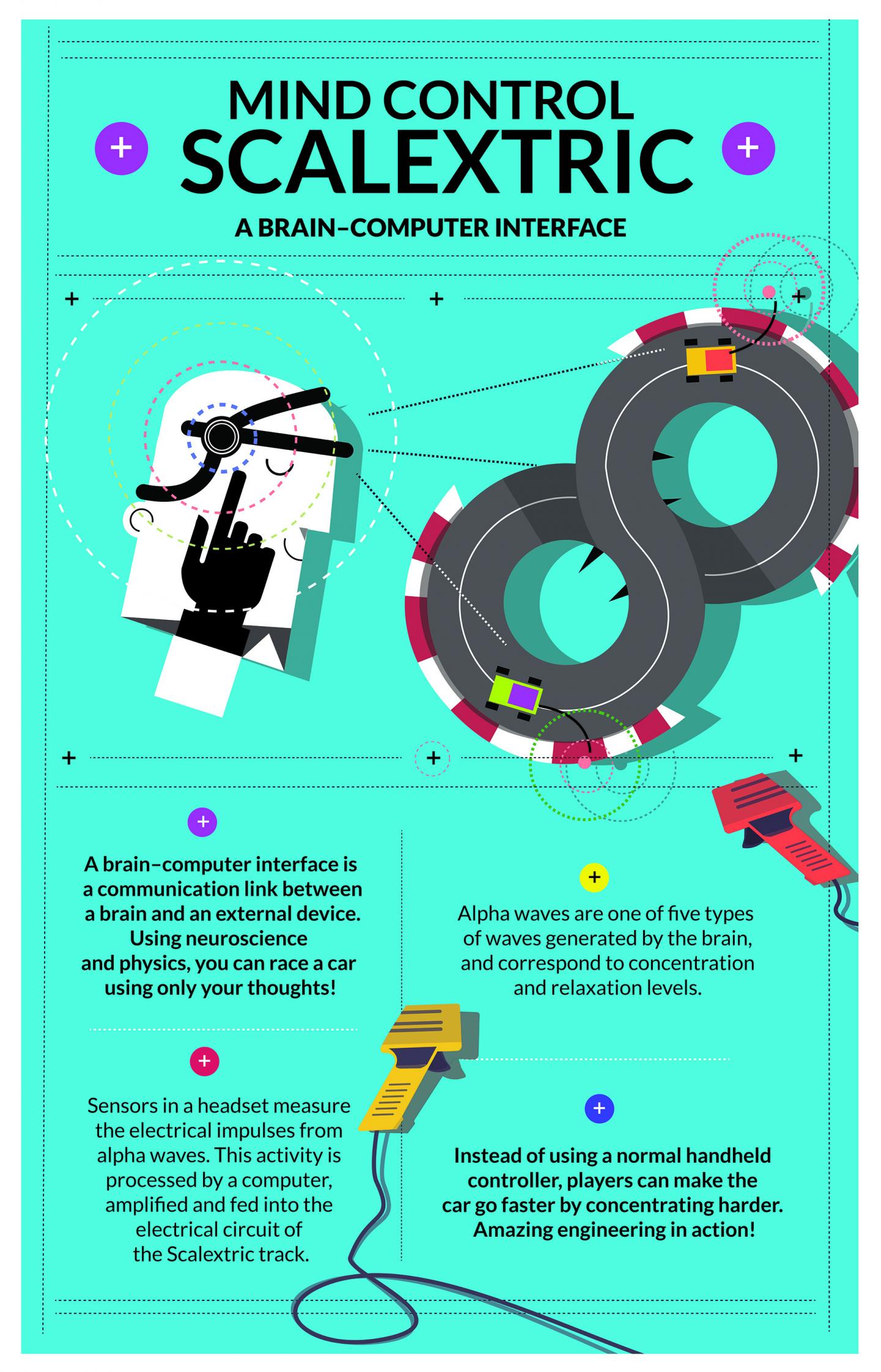
IMAGE

Credit: University of Warwick

  • Toys controlled with the power of thoughts could become must-have gifts
  • Warwick research connects human mind with electronic devices
  • Sensors in headsets receive 'brain waves' and feed them into electrical circuits
  • Scalextric sets, remote-controlled cars and toy robots could be activated with kids' concentration

The next generation of toys could be controlled by the power of the mind, thanks to research by the University of Warwick.

Led by Professor Christopher James, Director of Warwick Engineering in Biomedicine at the School of Engineering, technology has been developed which allows electronic devices to be activated using electrical impulses from brain waves, by connecting our thoughts to computerised systems.

Some of the most popular toys on children's lists to Santa – such as remote-controlled cars and helicopters, toy robots and Scalextric racing sets – could all be controlled via a headset, using 'the power of thought'.

This could be based on levels of concentration – thinking of your favourite colour or stroking your dog, for example.

Instead of a hand-held controller, a headset is used to create a brain-computer interface – a communication link between the human brain and the computerised device. Sensors in the headset measure the electrical impulses from brain at various different frequencies – each frequency can be somewhat controlled, under special circumstances.

This activity is then processed by a computer, amplified and fed into the electrical circuit of the electronic toy.

Professor James comments on the future potential for this technology:

"Whilst brain-computer interfaces already exist – there are already a few gaming headsets on the market – their functionality has been quite limited. New research is making the headsets now read cleaner and stronger signals than ever before – this means stronger links to the toy, game or action thus making it a very immersive experience.

"The exciting bit is what comes next -how long before we start unlocking the front door or answering the phone through brain-computer interfaces?"

###

Media Contact

Luke Walton
[email protected]
44-782-454-0863
@warwicknewsroom

http://www.warwick.ac.uk

############

Story Source: Materials provided by Scienmag

Share12Tweet8Share2ShareShareShare2

Related Posts

AI Combines Brain Scans and Clinical Data to Predict Stroke Recovery Outcomes

AI Combines Brain Scans and Clinical Data to Predict Stroke Recovery Outcomes

October 4, 2026
Rethinking Cancer Vaccine Carriers: A Bottleneck-First Test of Antigen Delivery Platforms

Rethinking Cancer Vaccine Carriers: A Bottleneck-First Test of Antigen Delivery Platforms

October 4, 2026

How Fire Rewrites Bone: Systematic Review Maps Heat Damage in Human Skeletons

October 4, 2026

New Contribution Scoring Method Boosts Federated Learning Accuracy

October 4, 2026
Please login to join discussion

POPULAR NEWS

  • Alloys That Shrink Their Own Grains: New PIX Mechanism Refines Metals With Heat Alone

    Alloys That Shrink Their Own Grains: New PIX Mechanism Refines Metals With Heat Alone

    29 shares
    Share 12 Tweet 7
  • Endurance Exercise Reshapes the Liver in Males and Females Through Distinct Molecular Routes

    29 shares
    Share 12 Tweet 7
  • Single Transcription Factor PU.1 Rapidly Converts Fibroblasts into Macrophage-Lineage Cells

    29 shares
    Share 12 Tweet 7
  • New Scale Measures How Ready Nurse Educators Really Are for the AI Era

    29 shares
    Share 12 Tweet 7

About

We bring you the latest biotechnology news from best research centers and universities around the world. Check our website.

Follow us

Recent News

Alloys That Shrink Their Own Grains: New PIX Mechanism Refines Metals With Heat Alone

Endurance Exercise Reshapes the Liver in Males and Females Through Distinct Molecular Routes

Single Transcription Factor PU.1 Rapidly Converts Fibroblasts into Macrophage-Lineage Cells

Subscribe to Blog via Email

Enter your email address to subscribe to this blog and receive notifications of new posts by email.

Join 85 other subscribers
  • Contact Us

Bioengineer.org © Copyright 2023 All Rights Reserved.

Welcome Back!

Login to your account below

Forgotten Password?

Retrieve your password

Please enter your username or email address to reset your password.

Log In
No Result
View All Result
  • Homepages
    • Home Page 1
    • Home Page 2
  • News
  • National
  • Business
  • Health
  • Lifestyle
  • Science

Bioengineer.org © Copyright 2023 All Rights Reserved.