• HOME
  • NEWS
  • EXPLORE
    • CAREER
      • Companies
      • Jobs
    • EVENTS
    • iGEM
      • News
      • Team
    • PHOTOS
    • VIDEO
    • WIKI
  • BLOG
  • COMMUNITY
    • FACEBOOK
    • INSTAGRAM
    • TWITTER
Saturday, February 7, 2026
BIOENGINEER.ORG
No Result
View All Result
  • Login
  • HOME
  • NEWS
  • EXPLORE
    • CAREER
      • Companies
      • Jobs
        • Lecturer
        • PhD Studentship
        • Postdoc
        • Research Assistant
    • EVENTS
    • iGEM
      • News
      • Team
    • PHOTOS
    • VIDEO
    • WIKI
  • BLOG
  • COMMUNITY
    • FACEBOOK
    • INSTAGRAM
    • TWITTER
  • HOME
  • NEWS
  • EXPLORE
    • CAREER
      • Companies
      • Jobs
        • Lecturer
        • PhD Studentship
        • Postdoc
        • Research Assistant
    • EVENTS
    • iGEM
      • News
      • Team
    • PHOTOS
    • VIDEO
    • WIKI
  • BLOG
  • COMMUNITY
    • FACEBOOK
    • INSTAGRAM
    • TWITTER
No Result
View All Result
Bioengineer.org
No Result
View All Result
Home NEWS Science News

Rural nursing homes are falling behind in health information technology

Bioengineer by Bioengineer
December 13, 2016
in Science News
Reading Time: 2 mins read
0
Share on FacebookShare on TwitterShare on LinkedinShare on RedditShare on Telegram
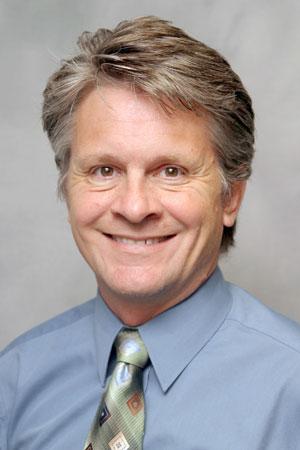
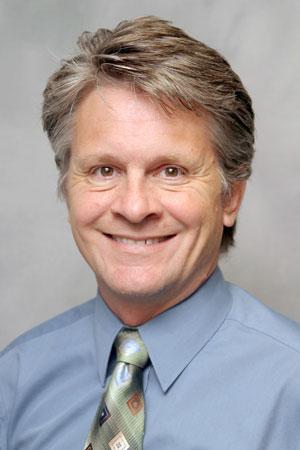
IMAGE

Credit: MU News Bureau

COLUMBIA, Mo. – According to the Centers for Disease Control and Prevention, more than 1 million older Americans depend on nursing homes for their health care. The 16,000 nursing homes in the United States serve populations of all sizes; yet, according to new research from the University of Missouri, rural communities are lagging in health information technology (IT) needed to improve quality, safety and efficiency in health care. This gap could have implications for patient care as nursing homes in rural areas may have less capacity to exchange information with hospitals to ensure high-quality transitions in care.

"Previous studies demonstrate that IT sophistication can improve health outcomes for patients, such as reducing hospitalizations," said Greg Alexander, professor in the Sinclair School of Nursing. "The benefits of IT sophistication do not differ based on geography; however, in this national assessment, we found a significant gap in IT sophistication between rural and urban areas."

The study is the first national assessment of nursing home IT use since 2004. The researchers found that nursing homes located in metropolitan areas had greater IT laboratory capabilities for resident registration and admission. Urban nursing homes also were better at conducting and verifying medical tests, which can impact and improve patient care.

"As competition for experienced health care IT professionals increases in urban areas, rural health care organizations are finding it difficult to compete for needed talent," Alexander said. "Policy makers need to be aware of the unique challenges facing rural health organizations and provide the necessary incentives to help rural nursing homes improve their IT sophistication. Improvement of IT sophistication will lead to better patient outcomes and a better quality of life for nursing home residents."

Alexander recently received a Fulbright U.S. Scholar program grant to Australia from the U.S. Department of State and the J. William Fulbright Foreign Scholarship Board. The grant will be used to study health informatics in nursing homes. He will be studying IT sophistication and quality measures at Macquarie University as part of a project to improve patient care in Australia's nursing homes.

"The state of nursing home information technology sophistication in rural and non-rural US markets," was published recently in the Journal of Rural Health. The research was supported by the Agency for Healthcare Research and Quality (R01HS022497). The content is solely the responsibility of the authors and does not necessarily represent the official views of the funding agencies.

###

Media Contact

Sheena Rice
[email protected]
573-882-8353
@mizzounews

http://www.missouri.edu

############

Story Source: Materials provided by Scienmag

Share12Tweet8Share2ShareShareShare2

Related Posts

Evaluating Pediatric Emergency Care Quality in Ethiopia

February 7, 2026

TPMT Expression Predictions Linked to Azathioprine Side Effects

February 7, 2026

Improving Dementia Care with Enhanced Activity Kits

February 7, 2026

Decoding Prostate Cancer Origins via snFLARE-seq, mxFRIZNGRND

February 7, 2026
Please login to join discussion

POPULAR NEWS

  • Robotic Ureteral Reconstruction: A Novel Approach

    Robotic Ureteral Reconstruction: A Novel Approach

    82 shares
    Share 33 Tweet 21
  • Digital Privacy: Health Data Control in Incarceration

    63 shares
    Share 25 Tweet 16
  • Study Reveals Lipid Accumulation in ME/CFS Cells

    57 shares
    Share 23 Tweet 14
  • Breakthrough in RNA Research Accelerates Medical Innovations Timeline

    53 shares
    Share 21 Tweet 13

About

We bring you the latest biotechnology news from best research centers and universities around the world. Check our website.

Follow us

Recent News

Evaluating Pediatric Emergency Care Quality in Ethiopia

TPMT Expression Predictions Linked to Azathioprine Side Effects

Improving Dementia Care with Enhanced Activity Kits

Subscribe to Blog via Email

Success! An email was just sent to confirm your subscription. Please find the email now and click 'Confirm' to start subscribing.

Join 73 other subscribers
  • Contact Us

Bioengineer.org © Copyright 2023 All Rights Reserved.

Welcome Back!

Login to your account below

Forgotten Password?

Retrieve your password

Please enter your username or email address to reset your password.

Log In
No Result
View All Result
  • Homepages
    • Home Page 1
    • Home Page 2
  • News
  • National
  • Business
  • Health
  • Lifestyle
  • Science

Bioengineer.org © Copyright 2023 All Rights Reserved.