• HOME
  • NEWS
  • EXPLORE
    • CAREER
      • Companies
      • Jobs
    • EVENTS
    • iGEM
      • News
      • Team
    • PHOTOS
    • VIDEO
    • WIKI
  • BLOG
  • COMMUNITY
    • FACEBOOK
    • INSTAGRAM
    • TWITTER
Saturday, February 7, 2026
BIOENGINEER.ORG
No Result
View All Result
  • Login
  • HOME
  • NEWS
  • EXPLORE
    • CAREER
      • Companies
      • Jobs
        • Lecturer
        • PhD Studentship
        • Postdoc
        • Research Assistant
    • EVENTS
    • iGEM
      • News
      • Team
    • PHOTOS
    • VIDEO
    • WIKI
  • BLOG
  • COMMUNITY
    • FACEBOOK
    • INSTAGRAM
    • TWITTER
  • HOME
  • NEWS
  • EXPLORE
    • CAREER
      • Companies
      • Jobs
        • Lecturer
        • PhD Studentship
        • Postdoc
        • Research Assistant
    • EVENTS
    • iGEM
      • News
      • Team
    • PHOTOS
    • VIDEO
    • WIKI
  • BLOG
  • COMMUNITY
    • FACEBOOK
    • INSTAGRAM
    • TWITTER
No Result
View All Result
Bioengineer.org
No Result
View All Result
Home NEWS Science News

Will Earth still exist 5 billion years from now?

Bioengineer by Bioengineer
December 8, 2016
in Science News
Reading Time: 2 mins read
0
Share on FacebookShare on TwitterShare on LinkedinShare on RedditShare on Telegram
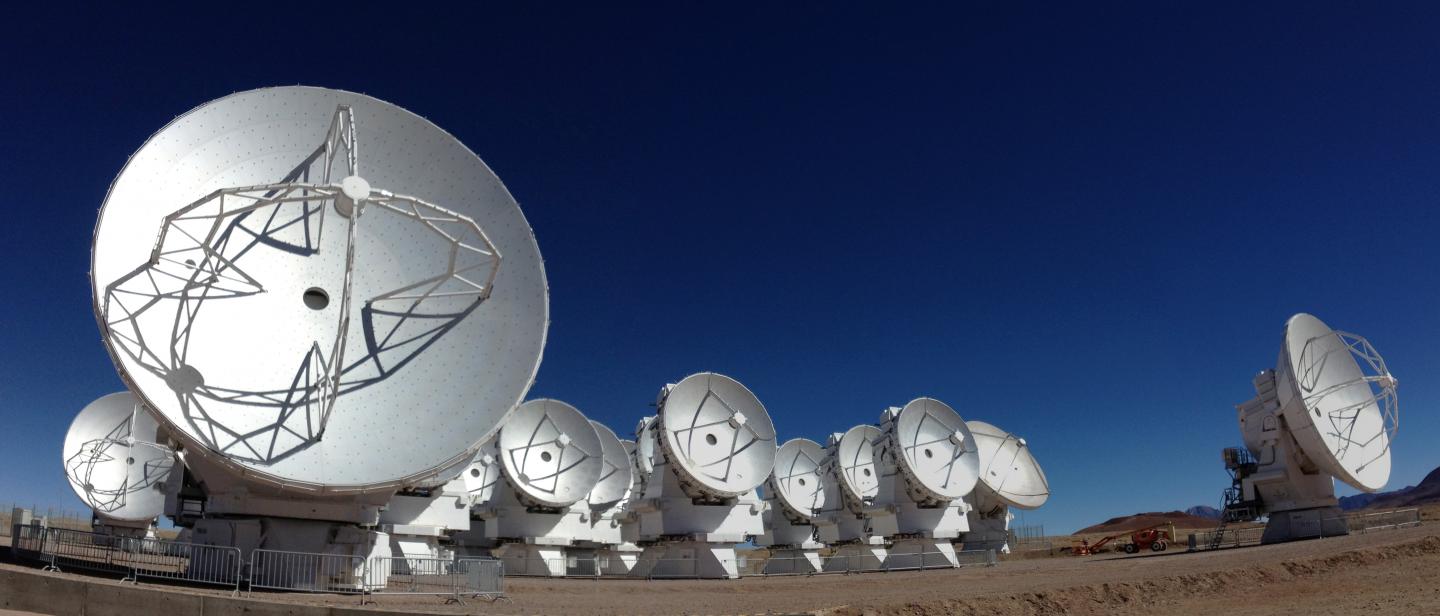
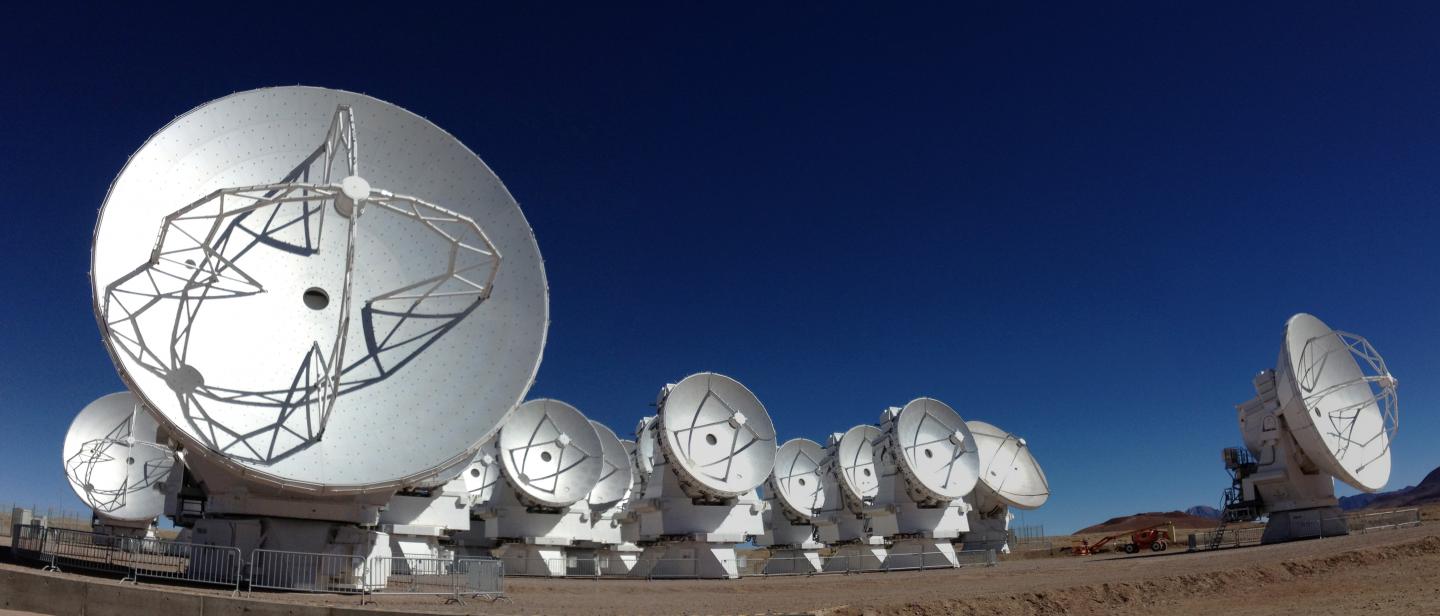
IMAGE

Credit: © ALMA (ESO/NAOJ/NRAO)

What will happen to Earth when, in a few billion years' time, the Sun is a hundred times bigger than it is today? Using the most powerful radio telescope in the world, an international team of astronomers has set out to look for answers in the star L2 Puppis. Five billion years ago, this star was very similar to the Sun as it is today.

"Five billion years from now, the Sun will have grown into a red giant star, more than a hundred times larger than its current size," says Professor Leen Decin from the KU Leuven Institute of Astronomy. "It will also experience an intense mass loss through a very strong stellar wind. The end product of its evolution, 7 billion years from now, will be a tiny white dwarf star. This will be about the size of the Earth, but much heavier: one tea spoon of white dwarf material weighs about 5 tons."

This metamorphosis will have a dramatic impact on the planets of our Solar System. Mercury and Venus, for instance, will be engulfed in the giant star and destroyed.

"But the fate of the Earth is still uncertain," continues Decin. "We already know that our Sun will be bigger and brighter, so that it will probably destroy any form of life on our planet. But will the Earth's rocky core survive the red giant phase and continue orbiting the white dwarf?"

To answer this question, an international team of astronomers observed the evolved star L2 Puppis. This star is 208 light years away from Earth – which, in astronomy terms, means nearby. The researchers used the ALMA radio telescope, which consists of 66 individual radio antennas that together form a giant virtual telescope with a 16-kilometre diameter.

"We discovered that L2 Puppis is about 10 billion years old," says Ward Homan from the KU Leuven Institute of Astronomy. "Five billion years ago, the star was an almost perfect twin of our Sun as it is today, with the same mass. One third of this mass was lost during the evolution of the star. The same will happen with our Sun in the very distant future."

300 million kilometres from L2 Puppis – or twice the distance between the Sun and the Earth – the researchers detected an object orbiting the giant star. In all likelihood, this is a planet that offers a unique preview of our Earth five billion years from now.

A deeper understanding of the interactions between L2 Puppis and its planet will yield valuable information on the final evolution of the Sun and its impact on the planets in our Solar System. Whether the Earth will eventually survive the Sun or be destroyed is still uncertain. L2 Puppis may be the key to answering this question.

###

Media Contact

Ward Homan
[email protected]
32-163-23001

Leen Decin
[email protected]
32-16-32-70-41

@LeuvenU
http://www.kuleuven.be/english/news

############

Story Source: Materials provided by Scienmag

Share12Tweet8Share2ShareShareShare2

Related Posts

Improving Dementia Care with Enhanced Activity Kits

February 7, 2026

Decoding Prostate Cancer Origins via snFLARE-seq, mxFRIZNGRND

February 7, 2026

Digital Health Perspectives from Baltic Sea Experts

February 7, 2026

Florida Cane Toad: Complex Spread and Selective Evolution

February 7, 2026
Please login to join discussion

POPULAR NEWS

  • Robotic Ureteral Reconstruction: A Novel Approach

    Robotic Ureteral Reconstruction: A Novel Approach

    82 shares
    Share 33 Tweet 21
  • Digital Privacy: Health Data Control in Incarceration

    63 shares
    Share 25 Tweet 16
  • Study Reveals Lipid Accumulation in ME/CFS Cells

    57 shares
    Share 23 Tweet 14
  • Breakthrough in RNA Research Accelerates Medical Innovations Timeline

    53 shares
    Share 21 Tweet 13

About

We bring you the latest biotechnology news from best research centers and universities around the world. Check our website.

Follow us

Recent News

Improving Dementia Care with Enhanced Activity Kits

Decoding Prostate Cancer Origins via snFLARE-seq, mxFRIZNGRND

Digital Health Perspectives from Baltic Sea Experts

Subscribe to Blog via Email

Enter your email address to subscribe to this blog and receive notifications of new posts by email.

Join 73 other subscribers
  • Contact Us

Bioengineer.org © Copyright 2023 All Rights Reserved.

Welcome Back!

Login to your account below

Forgotten Password?

Retrieve your password

Please enter your username or email address to reset your password.

Log In
No Result
View All Result
  • Homepages
    • Home Page 1
    • Home Page 2
  • News
  • National
  • Business
  • Health
  • Lifestyle
  • Science

Bioengineer.org © Copyright 2023 All Rights Reserved.