• HOME
  • NEWS
  • EXPLORE
    • CAREER
      • Companies
      • Jobs
    • EVENTS
    • iGEM
      • News
      • Team
    • PHOTOS
    • VIDEO
    • WIKI
  • BLOG
  • COMMUNITY
    • FACEBOOK
    • INSTAGRAM
    • TWITTER
Sunday, March 29, 2026
BIOENGINEER.ORG
No Result
View All Result
  • Login
  • HOME
  • NEWS
  • EXPLORE
    • CAREER
      • Companies
      • Jobs
        • Lecturer
        • PhD Studentship
        • Postdoc
        • Research Assistant
    • EVENTS
    • iGEM
      • News
      • Team
    • PHOTOS
    • VIDEO
    • WIKI
  • BLOG
  • COMMUNITY
    • FACEBOOK
    • INSTAGRAM
    • TWITTER
  • HOME
  • NEWS
  • EXPLORE
    • CAREER
      • Companies
      • Jobs
        • Lecturer
        • PhD Studentship
        • Postdoc
        • Research Assistant
    • EVENTS
    • iGEM
      • News
      • Team
    • PHOTOS
    • VIDEO
    • WIKI
  • BLOG
  • COMMUNITY
    • FACEBOOK
    • INSTAGRAM
    • TWITTER
No Result
View All Result
Bioengineer.org
No Result
View All Result
Home NEWS Science News Biology

Droughts are threatening global wetlands: new study

Bioengineer by Bioengineer
October 9, 2020
in Biology
Reading Time: 3 mins read
0
IMAGE
Share on FacebookShare on TwitterShare on LinkedinShare on RedditShare on Telegram

IMAGE

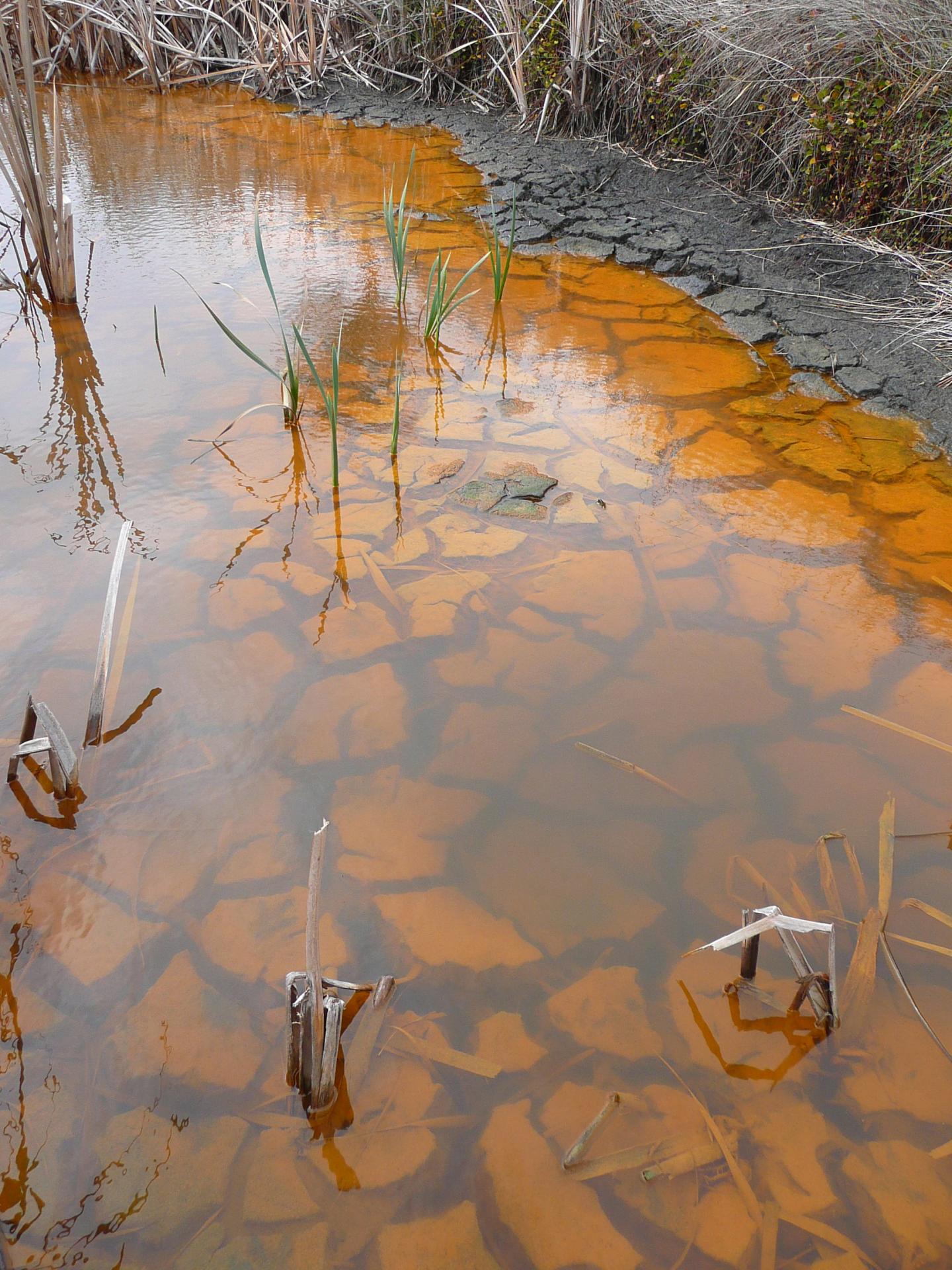
Credit: Luke Mosley

University of Adelaide scientists have shown how droughts are threatening the health of wetlands globally.

Published in the journal Earth-Science Reviews, the scientists highlight the many physical and chemical changes occurring during droughts that lead to severe, and sometimes irreversible, drying of wetland soils.

“Wetlands around the world are incredibly important for maintaining our planet’s biodiversity and they store vast amounts of carbon that can help fight climate change,” says project leader Associate Professor Luke Mosley, from the University’s Environment Institute and School of Biological Sciences.

“Globally, wetlands cover an area greater than 12.1 million square kilometres and deliver at least A$37.8 trillion (Int$27 trillion) in benefits per year, such as for flood mitigation, food production, water quality improvement and carbon storage.”

Wetlands can suffer “water droughts” both from the effects of a drier climate, and also when excessive water is extracted or diverted that would normally flow into them.

The review paper describes how drought often leads to severe cracking and compaction, acidification, loss of organic matter, and enhanced greenhouse gas (for example methane) emissions. In some cases droughts can lead to very long-term (>10 years) and irreversible soil changes, with major impacts on water quality when soils are rewet after the drought ends.

“We have seen many examples of how drought in the Murray-Darling Basin has caused major issues including acidification of soil and water due to acid sulfate soils exposure in wetlands. This review highlights substantial gaps in our global understanding of the effects of drought on wet soils and how they will respond to increasing drought,” says Associate Professor Mosley, who is also Deputy Director of the Acid Sulfate Soils Centre.

Effects can be different in different soil types and different regions of the world. The spatial distribution of drought studies shows there has been limited assessment in a large number of regions, including south and central America, Africa, the Middle East, Asia and Oceania. Many of these regions are predicted to be vulnerable to drought impacts due to climate change.

Lead author Dr Erinne Stirling, from Zhejiang University (China) and the University of Adelaide, says one of the most pressing findings from this review is that there are huge swaths of the world where there is no readily available published research on drought-affected wet soils.

And secondly, she says, there is effectively no applied research into water management outcomes for wetlands and wetland soils.

“At a global level, wet soils are highly vulnerable to the effects of climate change and need to be protected given the very high environmental and socio-economic values they support. It is our sincere hope that the information in this review contributes to protecting these valuable ecosystems,” says Dr Stirling.

###

Media Contact:

Associate Professor Luke Mosley, School of Biological Sciences, University of Adelaide. Phone: +61 (0)8 8313 5453. Mobile: +61 (0)428 103 563, [email protected]

Robyn Mills, Senior Media and Communications Officer. University of Adelaide. Phone: +61 (0)8 8313 6341, Mobile: +61 (0)410 689 084, [email protected]

Media Contact
Luke Mosley
[email protected]

Related Journal Article

http://dx.doi.org/10.1016/j.earscirev.2020.103387

Tags: Climate ChangeEarth ScienceGeology/SoilHydrology/Water Resources
Share12Tweet8Share2ShareShareShare2

Related Posts

How to sway group opinions: Encourage opponents to stay undecided

How to sway group opinions: Encourage opponents to stay undecided

March 23, 2026
Deep Learning Model Maps How Individual Cells Shape Disease Outcomes

Deep Learning Model Maps How Individual Cells Shape Disease Outcomes

March 20, 2026

Removing only 15 female sharks annually could endanger the entire population, scientists warn

March 20, 2026

Scientists Urge Fragrance Industry to Transition from Sustainability Talk to Active Funding of Plant Conservation

March 20, 2026
Please login to join discussion

POPULAR NEWS

  • blank

    Revolutionary AI Model Enhances Precision in Detecting Food Contamination

    96 shares
    Share 38 Tweet 24
  • Imagine a Social Media Feed That Challenges Your Views Instead of Reinforcing Them

    1004 shares
    Share 397 Tweet 248
  • Uncovering Functions of Cavernous Malformation Proteins in Organoids

    54 shares
    Share 22 Tweet 14
  • Promising Outcomes from First Clinical Trials of Gene Regulation in Epilepsy

    51 shares
    Share 20 Tweet 13

About

We bring you the latest biotechnology news from best research centers and universities around the world. Check our website.

Follow us

Recent News

In-Sensor Cryptography Links Physical Process to Digital Identity

Can Psychosocial Factors Influence Cancer Risk?

Depression Factors in Elderly: Pre vs. Post-COVID Analysis

Subscribe to Blog via Email

Success! An email was just sent to confirm your subscription. Please find the email now and click 'Confirm' to start subscribing.

Join 78 other subscribers
  • Contact Us

Bioengineer.org © Copyright 2023 All Rights Reserved.

Welcome Back!

Login to your account below

Forgotten Password?

Retrieve your password

Please enter your username or email address to reset your password.

Log In
No Result
View All Result
  • Homepages
    • Home Page 1
    • Home Page 2
  • News
  • National
  • Business
  • Health
  • Lifestyle
  • Science

Bioengineer.org © Copyright 2023 All Rights Reserved.