• HOME
  • NEWS
  • EXPLORE
    • CAREER
      • Companies
      • Jobs
    • EVENTS
    • iGEM
      • News
      • Team
    • PHOTOS
    • VIDEO
    • WIKI
  • BLOG
  • COMMUNITY
    • FACEBOOK
    • INSTAGRAM
    • TWITTER
Friday, December 5, 2025
BIOENGINEER.ORG
No Result
View All Result
  • Login
  • HOME
  • NEWS
  • EXPLORE
    • CAREER
      • Companies
      • Jobs
        • Lecturer
        • PhD Studentship
        • Postdoc
        • Research Assistant
    • EVENTS
    • iGEM
      • News
      • Team
    • PHOTOS
    • VIDEO
    • WIKI
  • BLOG
  • COMMUNITY
    • FACEBOOK
    • INSTAGRAM
    • TWITTER
  • HOME
  • NEWS
  • EXPLORE
    • CAREER
      • Companies
      • Jobs
        • Lecturer
        • PhD Studentship
        • Postdoc
        • Research Assistant
    • EVENTS
    • iGEM
      • News
      • Team
    • PHOTOS
    • VIDEO
    • WIKI
  • BLOG
  • COMMUNITY
    • FACEBOOK
    • INSTAGRAM
    • TWITTER
No Result
View All Result
Bioengineer.org
No Result
View All Result
Home NEWS Science News Biology

Risk of human-to-wildlife transmission of the COVID-19 virus

Bioengineer by Bioengineer
October 7, 2020
in Biology
Reading Time: 1 min read
0
IMAGE
Share on FacebookShare on TwitterShare on LinkedinShare on RedditShare on Telegram

IMAGE

Credit: Image credit: Sophie Gryseels

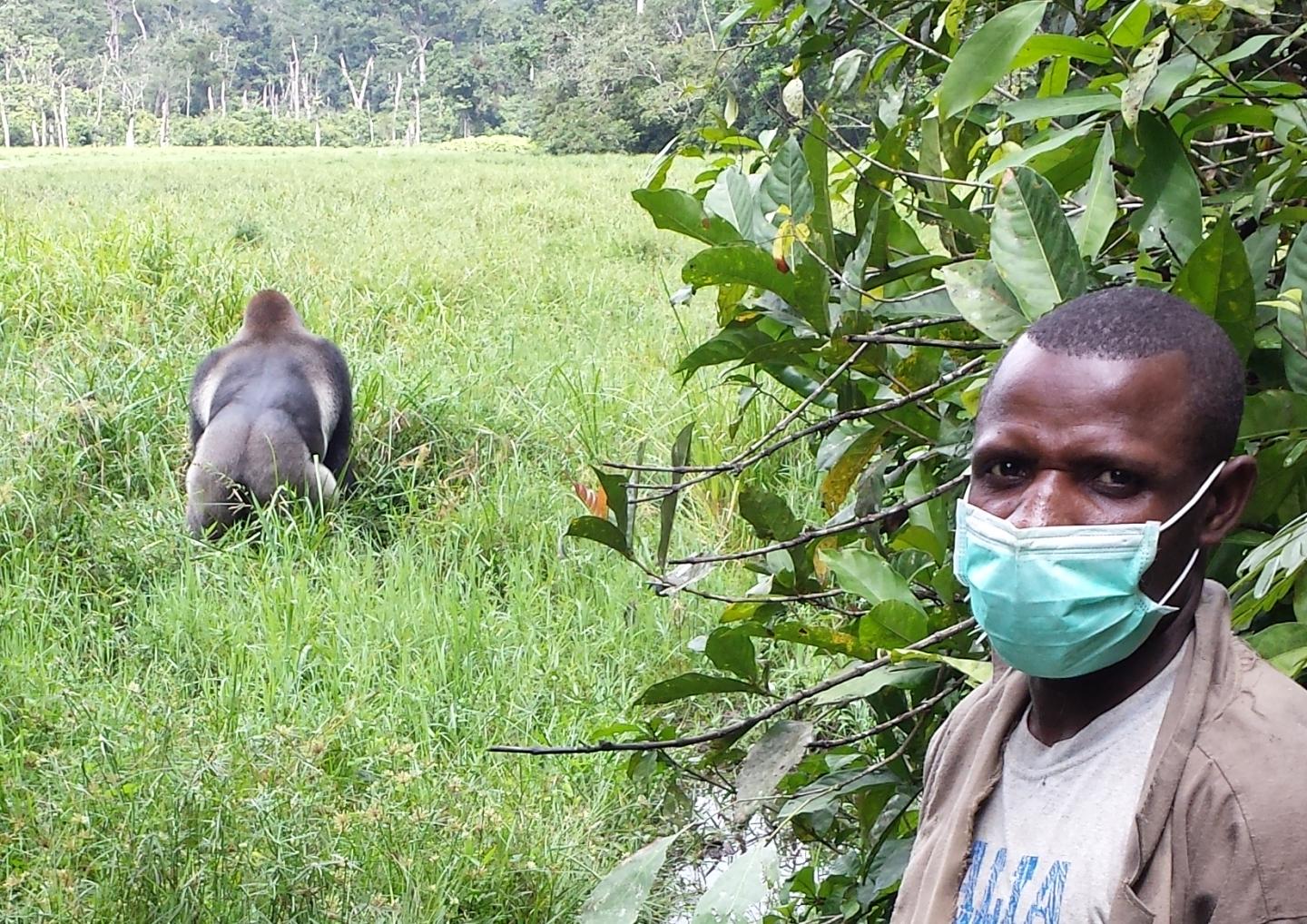
There’s considerable risk that humans transmit SARS-CoV-2, the virus that causes COVID-19, to wildlife, according to a perspective article published in Mammal Review.

The authors noted that if SARS-CoV-2 were to infect and spread among wild mammals, it could potentially cause disease in some populations, in turn further endangering already threatened species.

Also, if SARS-CoV-2 could be sustainably transmitted among some mammalian populations or communities, this would create new animal reservoirs that could repeatedly source new outbreaks in humans and other animals.

The researchers urge people to take sanitary precautions when in direct or indirect contact with wild or feral mammal species to prevent human-to-wildlife SARS-CoV-2 transmission.

“We really should avoid turning our pandemic into a multi-species problem,” said lead author Sophie Gryseels, PhD, of the University of Antwerp, KU Leuven, and the University of Arizona. “It’s difficult enough to control the SARS-CoV-2 in human populations–imagine what it will be like if it spreads among wild mammals. They could also get sick and form a reservoir from which they can then again infect humans, but we can’t ask animals to wear face masks and keep physical distance.”

###

Media Contact
Wiley Newsroom
[email protected]

Related Journal Article

http://dx.doi.org/10.1111/mam.12225

Tags: BiologyPopulation BiologyPublic HealthVirology
Share12Tweet8Share2ShareShareShare2

Related Posts

blank

Rice miRNA: Key Regulator in Fungal Interactions

December 3, 2025
Human Impact Alters Leopard and Ungulate Dynamics

Human Impact Alters Leopard and Ungulate Dynamics

December 3, 2025

Adaptive Microsatellite Variants in Indian Yak Populations

December 2, 2025

Guide to Single-Cell RNA Transcriptomics Unveiled

December 2, 2025
Please login to join discussion

POPULAR NEWS

  • New Research Unveils the Pathway for CEOs to Achieve Social Media Stardom

    New Research Unveils the Pathway for CEOs to Achieve Social Media Stardom

    204 shares
    Share 82 Tweet 51
  • Scientists Uncover Chameleon’s Telephone-Cord-Like Optic Nerves, A Feature Missed by Aristotle and Newton

    121 shares
    Share 48 Tweet 30
  • Neurological Impacts of COVID and MIS-C in Children

    107 shares
    Share 43 Tweet 27
  • MoCK2 Kinase Shapes Mitochondrial Dynamics in Rice Fungal Pathogen

    69 shares
    Share 28 Tweet 17

About

We bring you the latest biotechnology news from best research centers and universities around the world. Check our website.

Follow us

Recent News

Boosting Cancer Immunotherapy by Targeting DNA Repair

Evaluating eGFR Equations in Chinese Children

Metformin-Alogliptin Combo vs. Monotherapy in Diabetes

Subscribe to Blog via Email

Success! An email was just sent to confirm your subscription. Please find the email now and click 'Confirm' to start subscribing.

Join 69 other subscribers
  • Contact Us

Bioengineer.org © Copyright 2023 All Rights Reserved.

Welcome Back!

Login to your account below

Forgotten Password?

Retrieve your password

Please enter your username or email address to reset your password.

Log In
No Result
View All Result
  • Homepages
    • Home Page 1
    • Home Page 2
  • News
  • National
  • Business
  • Health
  • Lifestyle
  • Science

Bioengineer.org © Copyright 2023 All Rights Reserved.