• HOME
  • NEWS
  • EXPLORE
    • CAREER
      • Companies
      • Jobs
    • EVENTS
    • iGEM
      • News
      • Team
    • PHOTOS
    • VIDEO
    • WIKI
  • BLOG
  • COMMUNITY
    • FACEBOOK
    • INSTAGRAM
    • TWITTER
Saturday, February 7, 2026
BIOENGINEER.ORG
No Result
View All Result
  • Login
  • HOME
  • NEWS
  • EXPLORE
    • CAREER
      • Companies
      • Jobs
        • Lecturer
        • PhD Studentship
        • Postdoc
        • Research Assistant
    • EVENTS
    • iGEM
      • News
      • Team
    • PHOTOS
    • VIDEO
    • WIKI
  • BLOG
  • COMMUNITY
    • FACEBOOK
    • INSTAGRAM
    • TWITTER
  • HOME
  • NEWS
  • EXPLORE
    • CAREER
      • Companies
      • Jobs
        • Lecturer
        • PhD Studentship
        • Postdoc
        • Research Assistant
    • EVENTS
    • iGEM
      • News
      • Team
    • PHOTOS
    • VIDEO
    • WIKI
  • BLOG
  • COMMUNITY
    • FACEBOOK
    • INSTAGRAM
    • TWITTER
No Result
View All Result
Bioengineer.org
No Result
View All Result
Home NEWS Science News Health

Pot of gold engineered to help with early disease detection

Bioengineer by Bioengineer
August 25, 2020
in Health
Reading Time: 2 mins read
0
IMAGE
Share on FacebookShare on TwitterShare on LinkedinShare on RedditShare on Telegram

IMAGE

Credit: UQ

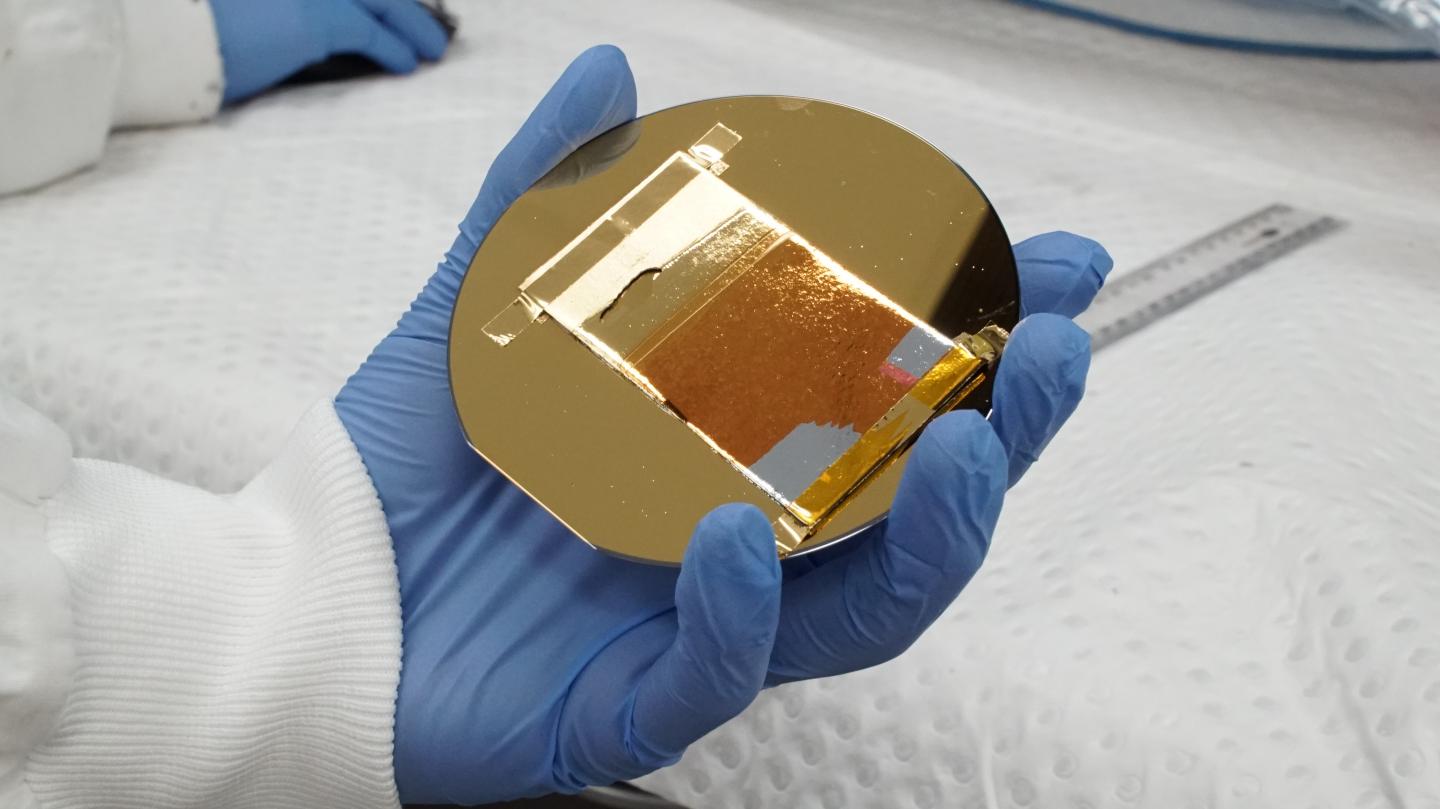
University of Queensland researchers have developed biosensors that use nanoengineered porous gold which more effectively detect early signs of disease, potentially improving patient outcomes.

Most diagnostic methods use costly materials and are time-consuming and expensive to run, but PhD candidate Mostafa Masud and research supervisors Professor Yusuke Yamauchi and Dr MD Shahriar Hossain have developed a cheaper, faster and ultrasensitive biosensor for point-of-care testing.

Mr Masud said the most exciting thing about the project was that it broke through some of the current limitations associated with early detection of diseases. s

“This new diagnostic technique allows for direct detection of disease-specific miRNA, which wasn’t previously possible,” Mr Masud said.

“This is especially important for patients at an early stage of a disease such as cancer, who do not have detectable amounts of other biomarkers, but may have a detectable quantity of exosomal miRNA biomarker.

The platform was nanoengineered by the team to read samples of blood, urine, saliva or plasma through a surface covered in a gold film, which has millions of tiny pores.

The method used to create these highly-engineered porous films has been published in the prestigious science journal Nature Protocols following 15 years of research, ushering in a new era of opportunity for nanoporous materials research and technology development.

The team is continuing to develop this platform, and plans for it to be available to medical practitioners in the next five years.

“Doctors will be able to use our platform to take a small fluid sample from a patient and test for diseases instantly, for around one quarter of the cost of other diagnostic techniques,” Professor Yamauchi said.

The researchers said the technology would be easy to use and particularly useful in remote locations and developing countries where rapid and early diagnostics were critical, especially in the case of viral infections.

###

This research was funded as an Australian Research Council Discovery Project and published in the journals, Biosensor and Bioelectronics and Chemical Society Reviews.

Media: Genevieve Worrell, [email protected], +61 408 432 213.

Media Contact
Ms Genevieve Worrell
[email protected]

Original Source

http://dx.doi.org/10.1038/s41596-020-0359-8

Related Journal Article

http://dx.doi.org/10.1038/s41596-020-0359-8

Tags: Chemistry/Physics/Materials SciencesDiagnosticsNanotechnology/Micromachines
Share12Tweet8Share2ShareShareShare2

Related Posts

Inflammasome Protein ASC Drives Pancreatic Cancer Metabolism

February 7, 2026

Phage-Antibiotic Combo Beats Resistant Peritoneal Infection

February 7, 2026

Boosting Remote Healthcare: Stepped-Wedge Trial Insights

February 7, 2026

Barriers and Boosters of Seniors’ Physical Activity in Karachi

February 7, 2026
Please login to join discussion

POPULAR NEWS

  • Robotic Ureteral Reconstruction: A Novel Approach

    Robotic Ureteral Reconstruction: A Novel Approach

    82 shares
    Share 33 Tweet 21
  • Digital Privacy: Health Data Control in Incarceration

    63 shares
    Share 25 Tweet 16
  • Study Reveals Lipid Accumulation in ME/CFS Cells

    57 shares
    Share 23 Tweet 14
  • Breakthrough in RNA Research Accelerates Medical Innovations Timeline

    53 shares
    Share 21 Tweet 13

About

We bring you the latest biotechnology news from best research centers and universities around the world. Check our website.

Follow us

Recent News

Inflammasome Protein ASC Drives Pancreatic Cancer Metabolism

Phage-Antibiotic Combo Beats Resistant Peritoneal Infection

Boosting Remote Healthcare: Stepped-Wedge Trial Insights

Subscribe to Blog via Email

Enter your email address to subscribe to this blog and receive notifications of new posts by email.

Join 73 other subscribers
  • Contact Us

Bioengineer.org © Copyright 2023 All Rights Reserved.

Welcome Back!

Login to your account below

Forgotten Password?

Retrieve your password

Please enter your username or email address to reset your password.

Log In
No Result
View All Result
  • Homepages
    • Home Page 1
    • Home Page 2
  • News
  • National
  • Business
  • Health
  • Lifestyle
  • Science

Bioengineer.org © Copyright 2023 All Rights Reserved.