

• HOME
  • NEWS
  • EXPLORE
    • CAREER
      • Companies
      • Jobs
    • EVENTS
    • iGEM
      • News
      • Team
    • PHOTOS
    • VIDEO
    • WIKI
  • BLOG
  • COMMUNITY
    • FACEBOOK
    • INSTAGRAM
    • TWITTER
Wednesday, April 1, 2026
BIOENGINEER.ORG
No Result
View All Result
  • Login
  • HOME
  • NEWS
  • EXPLORE
    • CAREER
      • Companies
      • Jobs
        • Lecturer
        • PhD Studentship
        • Postdoc
        • Research Assistant
    • EVENTS
    • iGEM
      • News
      • Team
    • PHOTOS
    • VIDEO
    • WIKI
  • BLOG
  • COMMUNITY
    • FACEBOOK
    • INSTAGRAM
    • TWITTER
  • HOME
  • NEWS
  • EXPLORE
    • CAREER
      • Companies
      • Jobs
        • Lecturer
        • PhD Studentship
        • Postdoc
        • Research Assistant
    • EVENTS
    • iGEM
      • News
      • Team
    • PHOTOS
    • VIDEO
    • WIKI
  • BLOG
  • COMMUNITY
    • FACEBOOK
    • INSTAGRAM
    • TWITTER
No Result
View All Result
Bioengineer.org
No Result
View All Result
Home NEWS Science News Science

Experimental insecticide explodes mosquitoes, not honeybees

Bioengineer by Bioengineer
December 5, 2016
in Science
Reading Time: 2 mins read
0
Share on FacebookShare on TwitterShare on LinkedinShare on RedditShare on Telegram
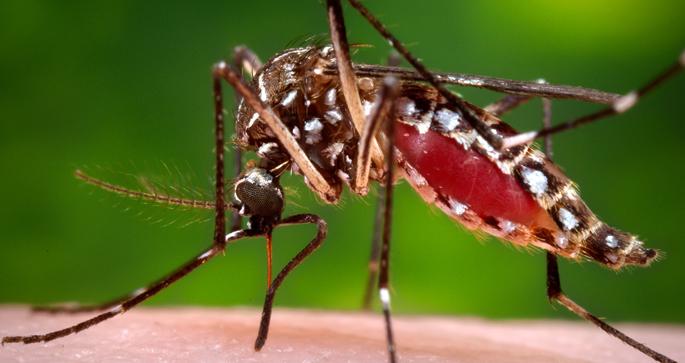
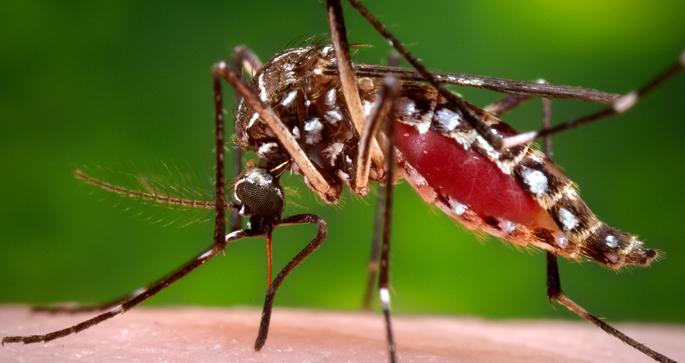
IMAGE

Credit: Photo by James Gathany/CDC

In a new study, Vanderbilt pharmacologist Jerod Denton, Ph.D., Ohio State entomologist Peter Piermarini, Ph.D., and colleagues report an experimental molecule that inhibits kidney function in mosquitoes and thus might provide a new way to control the deadliest animal on Earth.

The investigators aim their inhibitor, named VU041, at the mosquito Anopheles gambiae, the leading vector for malaria, and Aedes aegypti, a mosquito that transmits Zika virus and other pathogens. The study appears in the journal Scientific Reports.

Over several decades of exposure, mosquitoes have evolved genetic resistance to various insecticides that attack their nervous system. The new study shows for the first time that inducing kidney failure — or, more correctly, Malpighian tubule failure — in mosquitoes can circumvent resistance to conventional insecticides.

"We're essentially preventing mosquitoes from producing urine after they take a blood meal," said Denton, associate professor of Anesthesiology and Pharmacology.

According to Denton, in taking a blood meal mosquitoes can double or even triple their body weight.

Besides providing nutrients, blood meals carry toxic salts; the potassium chloride lurking in red blood cells, if not quickly voided, can depolarize cell membrane potentials and kill straightaway.

"So they've evolved a rapid diuretic process to very quickly separate the salt water from all the nutrients that they need for egg development. A lot of people don't realize that mosquitoes have kidneys, and when they take a blood meal from you they also urinate on you almost simultaneously.

"What our compounds do is stop urine production, so they swell up and can't volume regulate, and in some cases they just pop," he said.

Conventional mosquitocides cause death of males and females at all stages of mosquito development, and in doing so exert considerable selective pressure for the development of genetic resistance.

"By targeting blood feeding female mosquitoes, we predict that there will be less selective pressure for the emergence of resistant mutations," Denton said.

The investigators show VU041 to be effective when applied topically, which indicates that it potentially could be adapted as a sprayed insecticide. They also show that it doesn't harm honeybees.

Arrangements are underway to test VU041 in a spray formulation. If that's successful, additional safety testing would be needed before deciding about commercial development, Denton said.

###

Denton and Piermarini are joined in the study by former Vanderbilt research fellow Daniel Swale, Ph.D., now a faculty member at Louisiana State University, and colleagues from Ohio State, Vanderbilt, the University of Florida and the University of Nebraska Medical Center.

Other Vanderbilt participants in the study include Darren Engers, Ph.D., Sean Bollinger and Emily Days.

The study was funded in part by a grant (DK082884) from the National Institutes of Health.

Media Contact

Craig Boerner
[email protected]
615-322-4747

http://www.mc.vanderbilt.edu/npa

############

Story Source: Materials provided by Scienmag
Share12Tweet8Share2ShareShareShare2

Related Posts

Five or more hours of smartphone usage per day may increase obesity

July 25, 2019
IMAGE

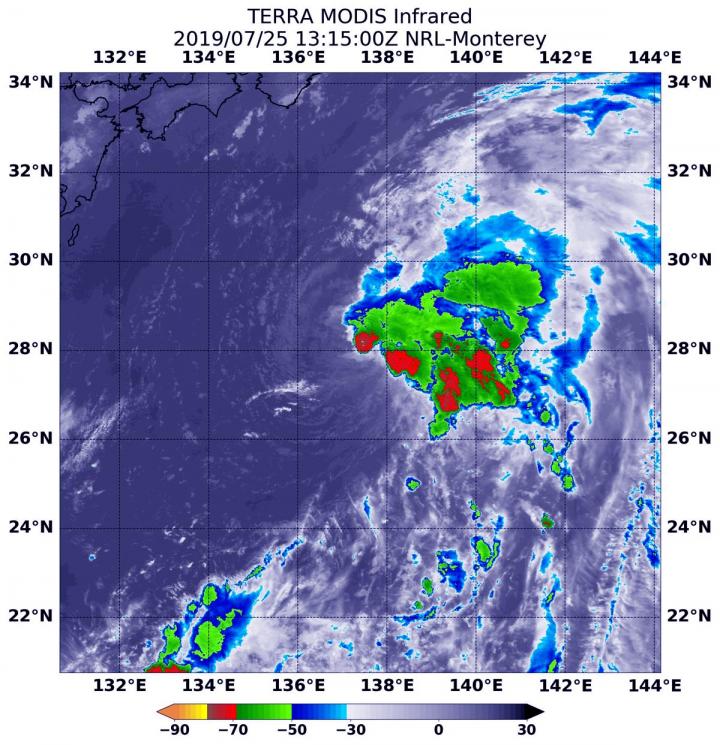
NASA’s terra satellite finds tropical storm 07W’s strength on the side

July 25, 2019

NASA finds one burst of energy in weakening Depression Dalila

July 25, 2019

Researcher’s innovative flood mapping helps water and emergency management officials

July 25, 2019
Please login to join discussion

POPULAR NEWS

  • blank

    Revolutionary AI Model Enhances Precision in Detecting Food Contamination

    96 shares
    Share 38 Tweet 24
  • Imagine a Social Media Feed That Challenges Your Views Instead of Reinforcing Them

    1006 shares
    Share 398 Tweet 249
  • Promising Outcomes from First Clinical Trials of Gene Regulation in Epilepsy

    51 shares
    Share 20 Tweet 13
  • Popular Anti-Aging Compound Linked to Damage in Corpus Callosum, Study Finds

    43 shares
    Share 17 Tweet 11

About

We bring you the latest biotechnology news from best research centers and universities around the world. Check our website.

Follow us

Recent News

NADPH Enzymes Suppress Pancreatic Precancerous Lesions

Entorhinal Cortex Maps Remote Tasks Without CA1

Chikungunya Virus Lingers in Joint Macrophages, Causes Chronic Disease

Subscribe to Blog via Email

Enter your email address to subscribe to this blog and receive notifications of new posts by email.

Join 78 other subscribers
  • Contact Us

Bioengineer.org © Copyright 2023 All Rights Reserved.

Welcome Back!

Login to your account below

Forgotten Password?

Retrieve your password

Please enter your username or email address to reset your password.

Log In
No Result
View All Result
  • Homepages
    • Home Page 1
    • Home Page 2
  • News
  • National
  • Business
  • Health
  • Lifestyle
  • Science

Bioengineer.org © Copyright 2023 All Rights Reserved.
