• HOME
  • NEWS
  • EXPLORE
    • CAREER
      • Companies
      • Jobs
    • EVENTS
    • iGEM
      • News
      • Team
    • PHOTOS
    • VIDEO
    • WIKI
  • BLOG
  • COMMUNITY
    • FACEBOOK
    • INSTAGRAM
    • TWITTER
Sunday, October 4, 2026
BIOENGINEER.ORG
No Result
View All Result
  • Login
  • HOME
  • NEWS
  • EXPLORE
    • CAREER
      • Companies
      • Jobs
        • Lecturer
        • PhD Studentship
        • Postdoc
        • Research Assistant
    • EVENTS
    • iGEM
      • News
      • Team
    • PHOTOS
    • VIDEO
    • WIKI
  • BLOG
  • COMMUNITY
    • FACEBOOK
    • INSTAGRAM
    • TWITTER
No Result
View All Result
Bioengineer.org
No Result
View All Result
Home NEWS Science News

What do Netflix, Google and planetary systems have in common?

Bioengineer by Bioengineer
December 1, 2016
in Science News
Reading Time: 2 mins read
0
Share on FacebookShare on TwitterShare on LinkedinShare on RedditShare on Telegram
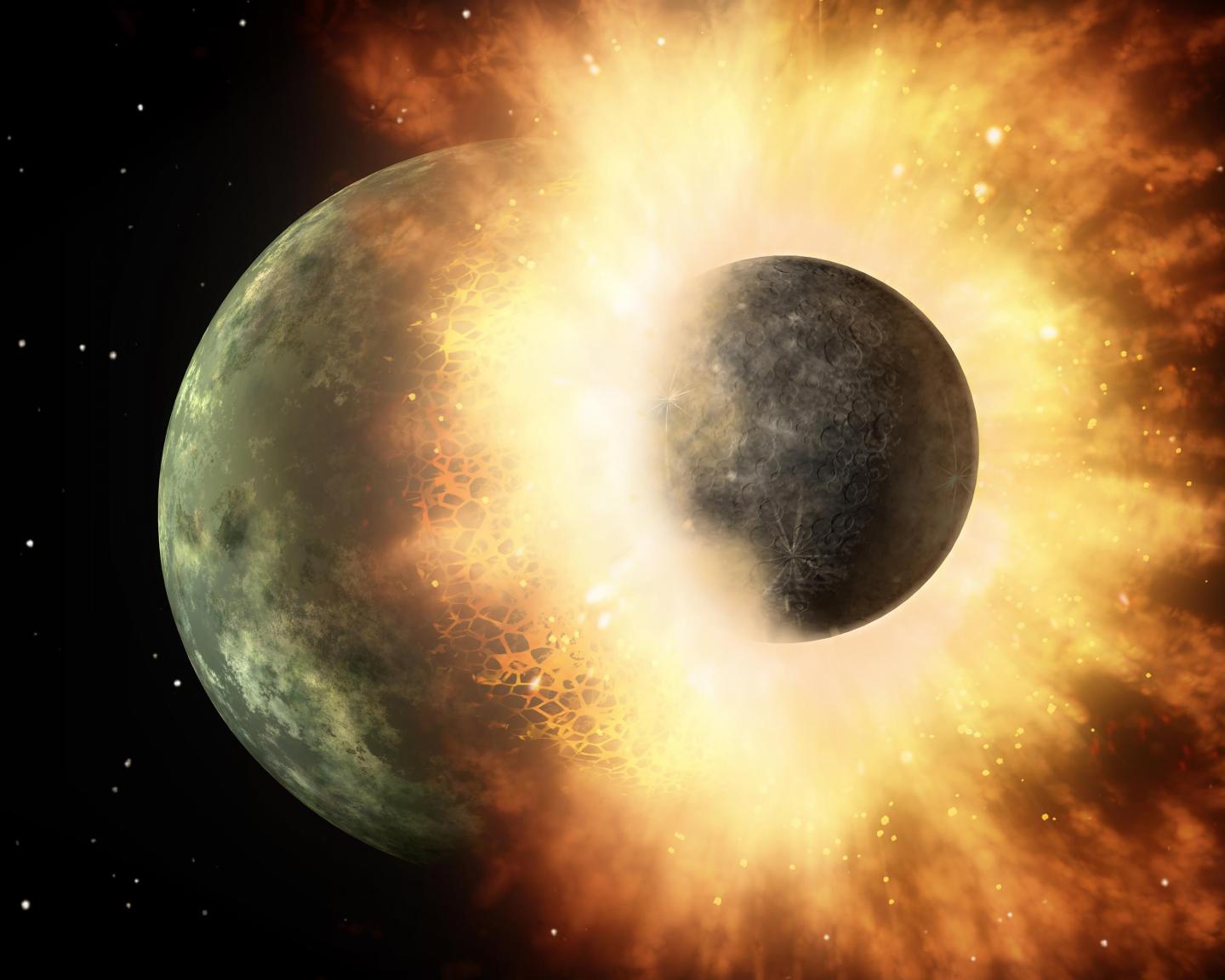
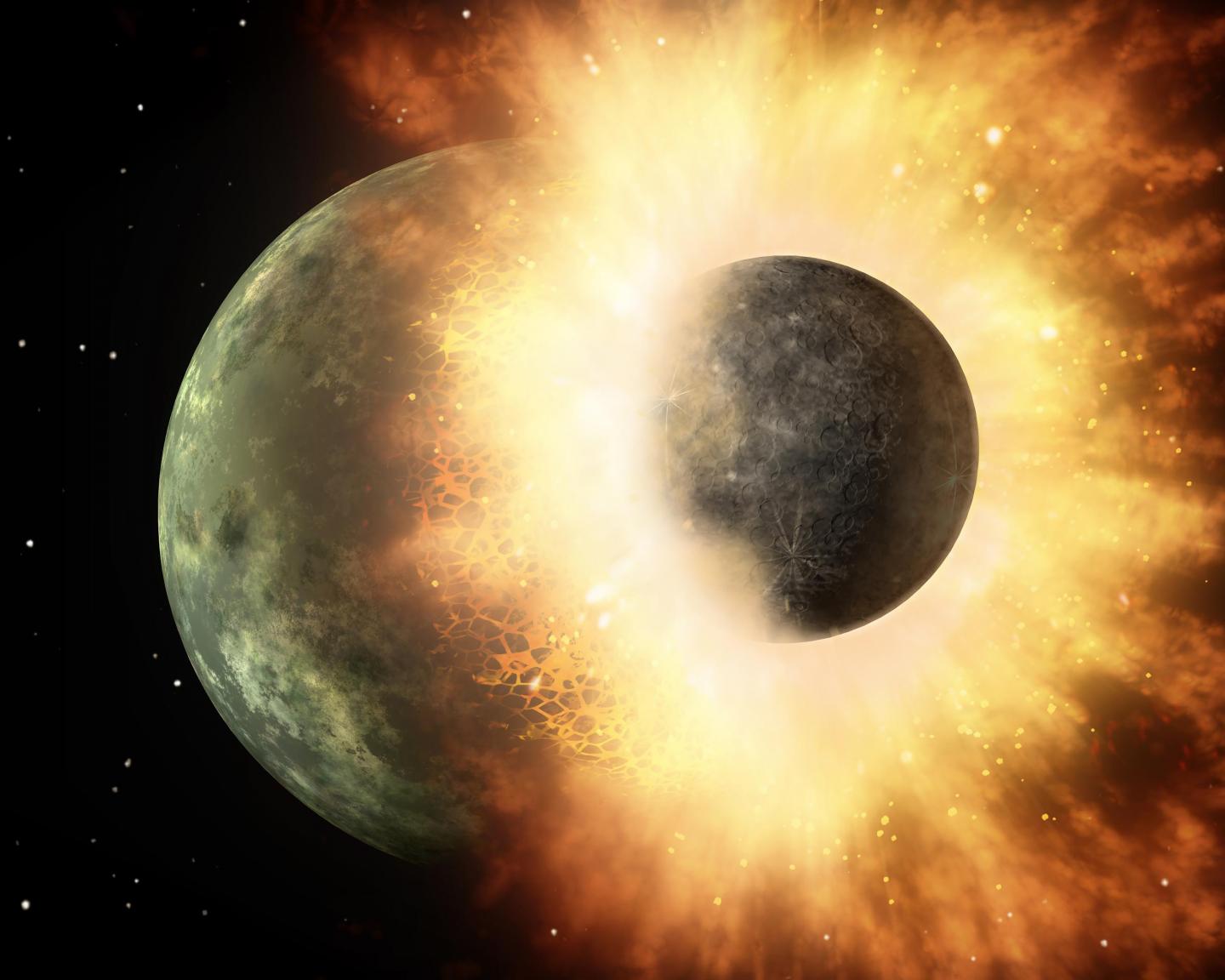
IMAGE

Credit: NASA/JPL-Caltech

Machine learning is a powerful tool used for a variety of tasks in modern life, from fraud detection and sorting spam in Google, to making movie recommendations on Netflix.

Now a team of researchers from the University of Toronto Scarborough have developed a novel approach in using it to determine whether planetary systems are stable or not.

"Machine learning offers a powerful way to tackle a problem in astrophysics, and that's predicting whether planetary systems are stable," says Dan Tamayo, lead author of the research and a postdoctoral fellow in the Centre for Planetary Science at U of T Scarborough.

Machine learning is a form of artificial intelligence that gives computers the ability to learn without having to be constantly programmed for a specific task. The benefit is that it can teach computers to learn and change when exposed to new data, not to mention it's also very efficient.

The method developed by Tamayo and his team is 1,000 times faster than traditional methods in predicting stability.

"In the past we've been hamstrung in trying to figure out whether planetary systems are stable by methods that couldn't handle the amount of data we were throwing at it," he says.

It's important to know whether planetary systems are stable or not because it can tell us a great deal about how these systems formed. It can also offer valuable new information about exoplanets that is not offered by current methods of observation.

There are several current methods of detecting exoplanets that provide information such as the size of the planet and its orbital period, but they may not provide the planet's mass or how elliptical their orbit is, which are all factors that affect stability, notes Tamayo.

The method developed by Tamayo and his team is the result of a series of workshops at U of T Scarborough covering how machine learning could help tackle specific scientific problems. The research is currently published online in the Astrophysical Journal Letters.

"What's encouraging is that our findings tell us that investing weeks of computation to train machine learning models is worth it because not only is this tool accurate, it also works much faster," he adds.

It may also come in handy when analysing data from NASA's Transiting Exoplanet Survey Satellite (TESS) set to launch next year. The two-year mission will focus on discovering new exoplanets by focusing on the brightest stars near our solar system.

"It could be a useful tool because predicting stability would allow us to learn more about the system, from the upper limits of mass to the eccentricities of these planets," says Tamayo.

"It could be a very useful tool in better understanding those systems."

###

Media Contact

Don Campbell
[email protected]
416-208-2938
@UofTNews

http://www.utoronto.ca

############

Story Source: Materials provided by Scienmag

Share12Tweet8Share2ShareShareShare2

Related Posts

Alcohol-Powered Fuel Cells Edge Closer to Market as Engineers Tame Leaky Membranes and Costly Catalysts

Alcohol-Powered Fuel Cells Edge Closer to Market as Engineers Tame Leaky Membranes and Costly Catalysts

October 4, 2026
A Hidden RNA Switch May Shape Cashmere Goat Hair Follicles Before Birth

A Hidden RNA Switch May Shape Cashmere Goat Hair Follicles Before Birth

October 4, 2026

Viral Protein Weakens Rice Cell Walls, Boosting Virus Infection but Blocking Insect Pests

October 4, 2026

Immunotherapy Breakthroughs and Single-Cell Atlas Studies Reshape Liver Cancer Care in China

October 4, 2026
Please login to join discussion

POPULAR NEWS

  • Alloys That Shrink Their Own Grains: New PIX Mechanism Refines Metals With Heat Alone

    Alloys That Shrink Their Own Grains: New PIX Mechanism Refines Metals With Heat Alone

    29 shares
    Share 12 Tweet 7
  • Endurance Exercise Reshapes the Liver in Males and Females Through Distinct Molecular Routes

    29 shares
    Share 12 Tweet 7
  • Single Transcription Factor PU.1 Rapidly Converts Fibroblasts into Macrophage-Lineage Cells

    29 shares
    Share 12 Tweet 7
  • New Scale Measures How Ready Nurse Educators Really Are for the AI Era

    29 shares
    Share 12 Tweet 7

About

We bring you the latest biotechnology news from best research centers and universities around the world. Check our website.

Follow us

Recent News

Alloys That Shrink Their Own Grains: New PIX Mechanism Refines Metals With Heat Alone

Endurance Exercise Reshapes the Liver in Males and Females Through Distinct Molecular Routes

Single Transcription Factor PU.1 Rapidly Converts Fibroblasts into Macrophage-Lineage Cells

Subscribe to Blog via Email

Success! An email was just sent to confirm your subscription. Please find the email now and click 'Confirm' to start subscribing.

Join 85 other subscribers
  • Contact Us

Bioengineer.org © Copyright 2023 All Rights Reserved.

Welcome Back!

Login to your account below

Forgotten Password?

Retrieve your password

Please enter your username or email address to reset your password.

Log In
No Result
View All Result
  • Homepages
    • Home Page 1
    • Home Page 2
  • News
  • National
  • Business
  • Health
  • Lifestyle
  • Science

Bioengineer.org © Copyright 2023 All Rights Reserved.