• HOME
  • NEWS
  • EXPLORE
    • CAREER
      • Companies
      • Jobs
    • EVENTS
    • iGEM
      • News
      • Team
    • PHOTOS
    • VIDEO
    • WIKI
  • BLOG
  • COMMUNITY
    • FACEBOOK
    • INSTAGRAM
    • TWITTER
Saturday, February 7, 2026
BIOENGINEER.ORG
No Result
View All Result
  • Login
  • HOME
  • NEWS
  • EXPLORE
    • CAREER
      • Companies
      • Jobs
        • Lecturer
        • PhD Studentship
        • Postdoc
        • Research Assistant
    • EVENTS
    • iGEM
      • News
      • Team
    • PHOTOS
    • VIDEO
    • WIKI
  • BLOG
  • COMMUNITY
    • FACEBOOK
    • INSTAGRAM
    • TWITTER
  • HOME
  • NEWS
  • EXPLORE
    • CAREER
      • Companies
      • Jobs
        • Lecturer
        • PhD Studentship
        • Postdoc
        • Research Assistant
    • EVENTS
    • iGEM
      • News
      • Team
    • PHOTOS
    • VIDEO
    • WIKI
  • BLOG
  • COMMUNITY
    • FACEBOOK
    • INSTAGRAM
    • TWITTER
No Result
View All Result
Bioengineer.org
No Result
View All Result
Home NEWS Science News

Cyclic change within magma reservoirs affects the explosivity of volcanic eruptions

Bioengineer by Bioengineer
November 30, 2016
in Science News
Reading Time: 2 mins read
0
Share on FacebookShare on TwitterShare on LinkedinShare on RedditShare on Telegram
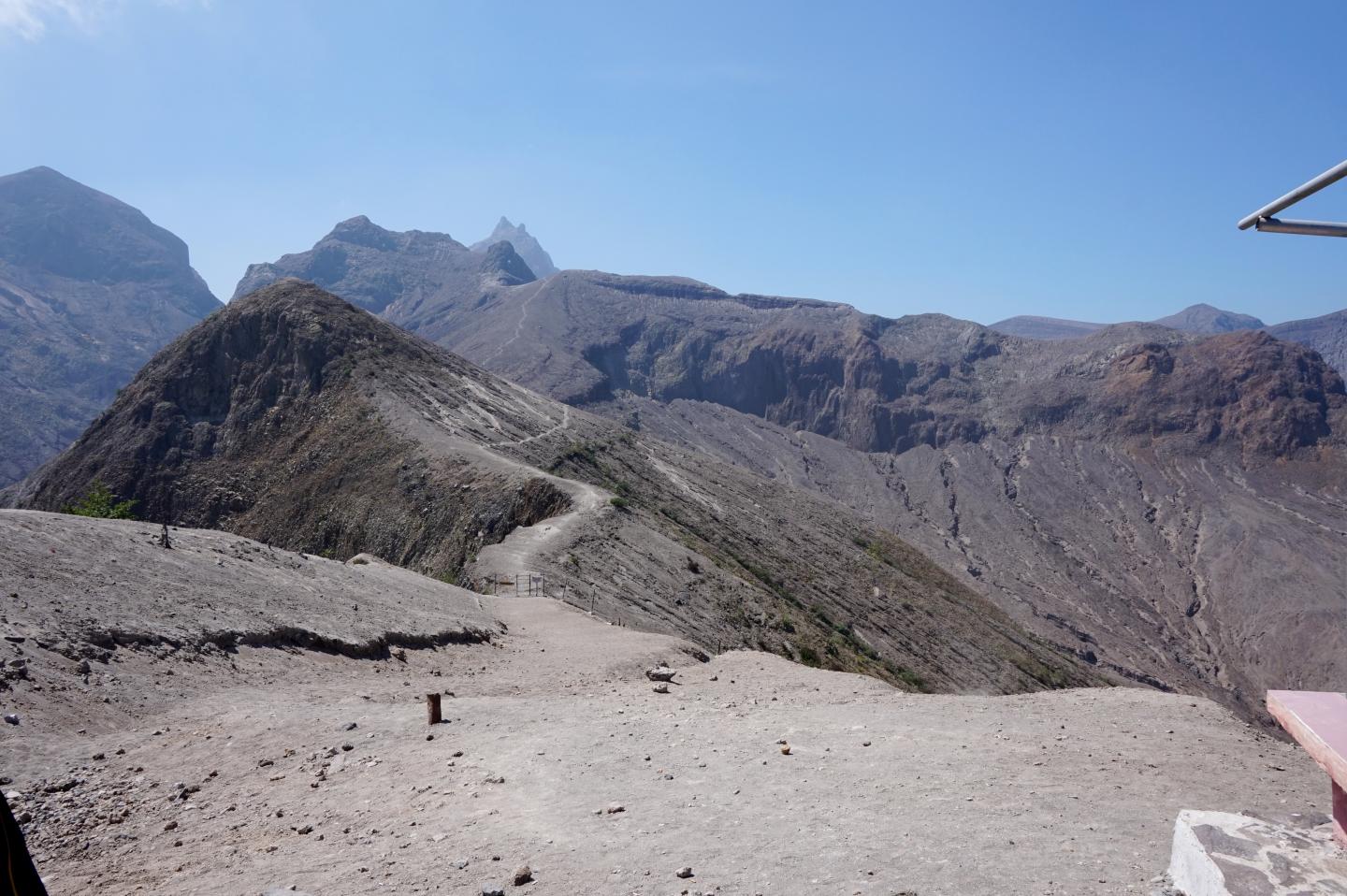
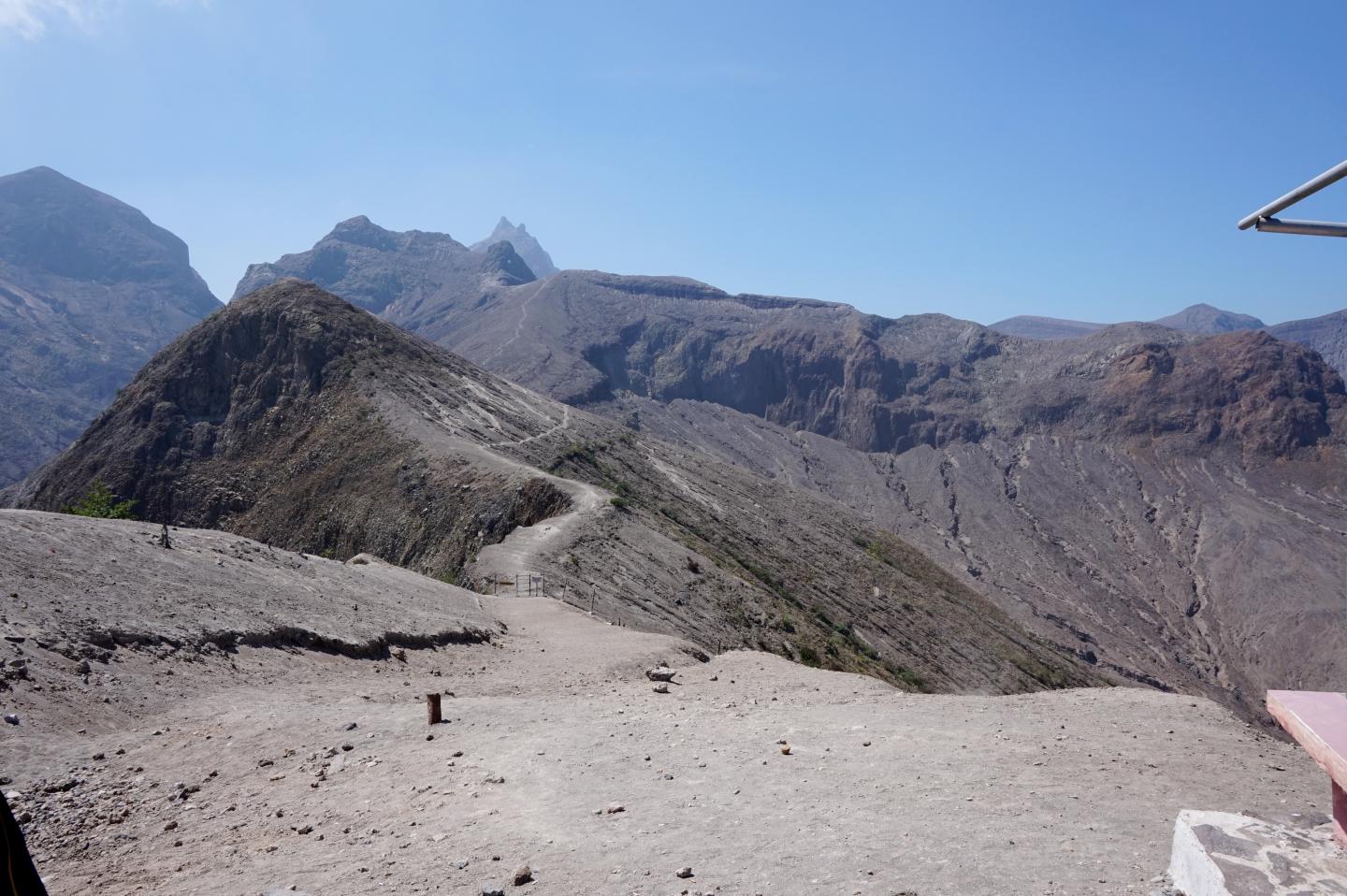
IMAGE

Credit: photo/©: Mike Cassidy, JGU

A new study published in Geology uses pockets of melts trapped within crystals to understand the conditions occurring beneath volcanoes before explosive eruptions. Volcanologists from Johannes Gutenberg University Mainz (JGU), Leibniz Universität Hannover in Germany and Uppsala University in Sweden have discovered that the temperature and water content of magmas varies through the lifecycle of a volcano, and that these variations occur in cycles in relation to the fresh input of new magma from below. The study suggests that the point at which an eruption occurs within these cycles may control whether the resulting eruption is explosive, which produces lots of ash and affects a wide geographical region, or simply erupts effusively creating lava flows or domes, lessening the hazards to nearby populations.

The study was conducted on Kelud volcano in Indonesia, which is considered to be one of the most dangerous volcanoes in the world, with more than two million people living within 30 kilometers of it, and a death toll of more than 5,000 people killed in eruptions in the last century alone. Kelud erupted explosively as recently as 2014, dispersing ash more than 200 kilometers away, leading to the evacuation of 200,000 people, closing three international airports and killing several people. But Kelud, like many volcanoes, is unpredictable in the sense that it often changes the way it erupts. In 2014 the eruption was explosive, but in 2007 the eruption produced little ash and instead created a small lava flow within the crater.

The researchers found that before the 2014 explosive eruption at Kelud, the magma was in a cool and water-rich state, whereas in 2007, before the less explosive lava dome eruption, the magma was hotter and dryer. "Even relatively small changes in the temperature and water content of the magma can drastically alter the chemical and physical properties of the unerupted magma," explained lead author Dr. Mike Cassidy from the Institute of Geosciences at Mainz University. "For instance, when the temperature drops, this makes the magma stickier, which means the gas finds it harder to escape, thus building up pressure leading to an explosive eruption."

The hotter and dryer magma conditions are attributed to the fresh input of water-poor magma from below, which mixes and thus dilutes the magma in water content. The study goes some way to explaining why volcanoes erupt in different ways and could in the future help to forecast how explosive an impending eruption will be.

###

Media Contact

Dr. Mike Cassidy
[email protected]
49-613-139-27004
@uni_mainz_eng

Startseite der JGU

############

Story Source: Materials provided by Scienmag

Share12Tweet8Share2ShareShareShare2

Related Posts

Phage-Antibiotic Combo Beats Resistant Peritoneal Infection

February 7, 2026

Boosting Remote Healthcare: Stepped-Wedge Trial Insights

February 7, 2026

Barriers and Boosters of Seniors’ Physical Activity in Karachi

February 7, 2026

Evaluating Pediatric Emergency Care Quality in Ethiopia

February 7, 2026
Please login to join discussion

POPULAR NEWS

  • Robotic Ureteral Reconstruction: A Novel Approach

    Robotic Ureteral Reconstruction: A Novel Approach

    82 shares
    Share 33 Tweet 21
  • Digital Privacy: Health Data Control in Incarceration

    63 shares
    Share 25 Tweet 16
  • Study Reveals Lipid Accumulation in ME/CFS Cells

    57 shares
    Share 23 Tweet 14
  • Breakthrough in RNA Research Accelerates Medical Innovations Timeline

    53 shares
    Share 21 Tweet 13

About

We bring you the latest biotechnology news from best research centers and universities around the world. Check our website.

Follow us

Recent News

Phage-Antibiotic Combo Beats Resistant Peritoneal Infection

Boosting Remote Healthcare: Stepped-Wedge Trial Insights

Barriers and Boosters of Seniors’ Physical Activity in Karachi

Subscribe to Blog via Email

Enter your email address to subscribe to this blog and receive notifications of new posts by email.

Join 73 other subscribers
  • Contact Us

Bioengineer.org © Copyright 2023 All Rights Reserved.

Welcome Back!

Login to your account below

Forgotten Password?

Retrieve your password

Please enter your username or email address to reset your password.

Log In
No Result
View All Result
  • Homepages
    • Home Page 1
    • Home Page 2
  • News
  • National
  • Business
  • Health
  • Lifestyle
  • Science

Bioengineer.org © Copyright 2023 All Rights Reserved.