• HOME
  • NEWS
  • EXPLORE
    • CAREER
      • Companies
      • Jobs
    • EVENTS
    • iGEM
      • News
      • Team
    • PHOTOS
    • VIDEO
    • WIKI
  • BLOG
  • COMMUNITY
    • FACEBOOK
    • INSTAGRAM
    • TWITTER
Saturday, February 7, 2026
BIOENGINEER.ORG
No Result
View All Result
  • Login
  • HOME
  • NEWS
  • EXPLORE
    • CAREER
      • Companies
      • Jobs
        • Lecturer
        • PhD Studentship
        • Postdoc
        • Research Assistant
    • EVENTS
    • iGEM
      • News
      • Team
    • PHOTOS
    • VIDEO
    • WIKI
  • BLOG
  • COMMUNITY
    • FACEBOOK
    • INSTAGRAM
    • TWITTER
  • HOME
  • NEWS
  • EXPLORE
    • CAREER
      • Companies
      • Jobs
        • Lecturer
        • PhD Studentship
        • Postdoc
        • Research Assistant
    • EVENTS
    • iGEM
      • News
      • Team
    • PHOTOS
    • VIDEO
    • WIKI
  • BLOG
  • COMMUNITY
    • FACEBOOK
    • INSTAGRAM
    • TWITTER
No Result
View All Result
Bioengineer.org
No Result
View All Result
Home NEWS Science News

NIJ grant to develop investigative tool for counterfeit bills

Bioengineer by Bioengineer
November 29, 2016
in Science News
Reading Time: 2 mins read
0
Share on FacebookShare on TwitterShare on LinkedinShare on RedditShare on Telegram
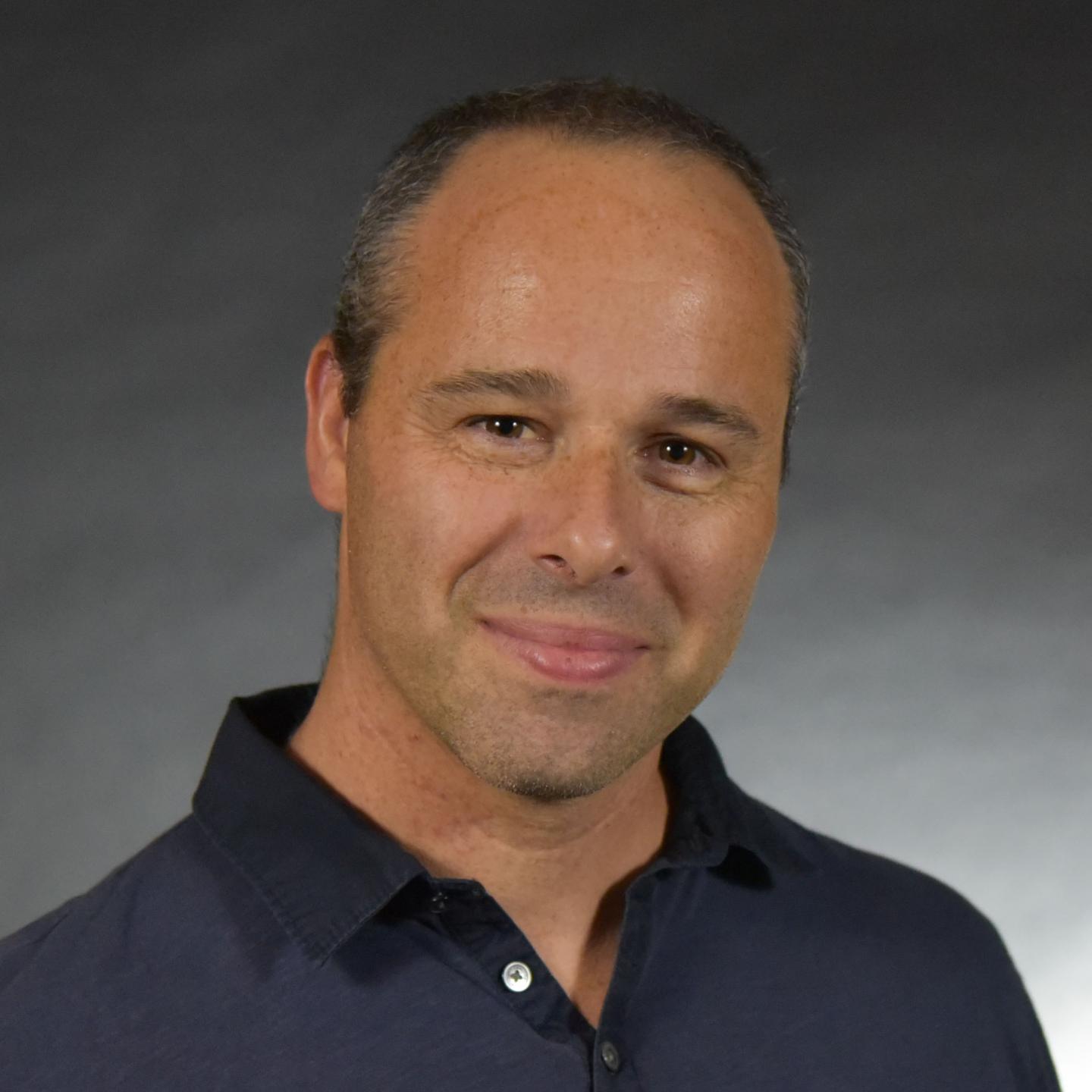
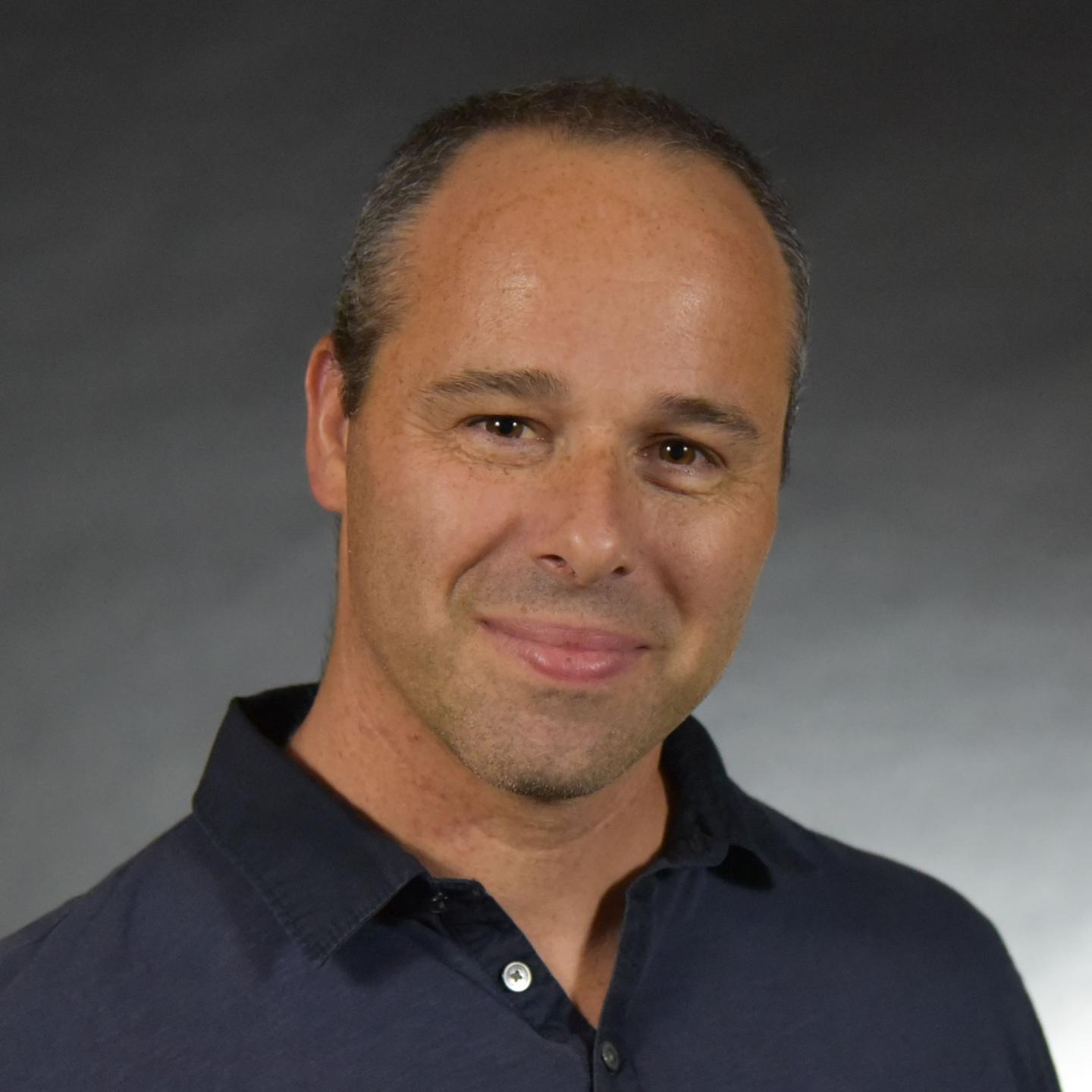
IMAGE

Credit: Harriet McHale/SHSU

HUNTSVILLE, TX (11-29-16) — Patrick Buzzini of Sam Houston State University received a National Institute of Justice grant to develop chemical signatures for counterfeit currency or questioned documents produced with inkjet printers that can help lead investigators back to the source. Buzzini is collaborating with the U.S. Secret Service on the project.

"We are trying to develop a tool that can work at the investigative level," said Buzzini, an associate professor in the Department of Forensic Science. "Our hope is to produce chemical profiles that will be able to inform investigators about brands and models of printers used."

More than 60 percent of counterfeit bank notes classified by the U.S. Secret Service are made using inkjet printers because of their low cost and wide availability. Inkjet printers also may provide valuable evidence in questioned documents in such diverse cases as extortion, questioned contracts, identification documents, or anonymous letters.

In typical cases of counterfeit or questioned documents, a suspected document is compared to a reference sample using an optical inspection usually followed by thin layer chromatography to address questions about their source. This investigation will use a different method – micro Raman spectroscopy – to determine to what extent suspected documents can be linked back to a source based on the three main color components of the system, including mixes of cyan, magenta and yellow.

Spectroscopy methods – in this case used to detect dyes and pigments – study the interaction between light and materials. The Raman method measures the phenomenon of inelastic light scattering produced at the molecular level. In order to analyze fully this highly complex data, Buzzini will team up with James Curran of the University of Auckland in New Zealand to develop a novel statistical approach to analyze the results. "He will help maximize the extraction of highly complex data," Buzzini said.

The study will examine about 100 samples provided by the Criminal Investigation Division of the Treasury Obligation Section of the U.S. Secret Service. The samples will be evaluated using both thin layer chromatography and Raman spectroscopy.

"Our goal is to investigate if Raman data gathered from three microscopic colored spots of inkjet printed document constitute, all together, a chemical signature sufficiently discriminating to provide reliable investigative leads in a time-effective and non-destructive manner," said Buzzini.

###

Media Contact

Beth Kuhles
[email protected]
936-294-4425
@shsucj

http://www.cjcenter.org

############

Story Source: Materials provided by Scienmag

Share12Tweet8Share2ShareShareShare2

Related Posts

Digital Health Perspectives from Baltic Sea Experts

February 7, 2026
Florida Cane Toad: Complex Spread and Selective Evolution

Florida Cane Toad: Complex Spread and Selective Evolution

February 7, 2026

Exploring Decision-Making in Dementia Caregivers’ Mobility

February 7, 2026

Succinate Receptor 1 Limits Blood Cell Formation, Leukemia

February 7, 2026
Please login to join discussion

POPULAR NEWS

  • Robotic Ureteral Reconstruction: A Novel Approach

    Robotic Ureteral Reconstruction: A Novel Approach

    82 shares
    Share 33 Tweet 21
  • Digital Privacy: Health Data Control in Incarceration

    63 shares
    Share 25 Tweet 16
  • Study Reveals Lipid Accumulation in ME/CFS Cells

    57 shares
    Share 23 Tweet 14
  • Breakthrough in RNA Research Accelerates Medical Innovations Timeline

    53 shares
    Share 21 Tweet 13

About

We bring you the latest biotechnology news from best research centers and universities around the world. Check our website.

Follow us

Recent News

Digital Health Perspectives from Baltic Sea Experts

Florida Cane Toad: Complex Spread and Selective Evolution

Exploring Decision-Making in Dementia Caregivers’ Mobility

Subscribe to Blog via Email

Enter your email address to subscribe to this blog and receive notifications of new posts by email.

Join 73 other subscribers
  • Contact Us

Bioengineer.org © Copyright 2023 All Rights Reserved.

Welcome Back!

Login to your account below

Forgotten Password?

Retrieve your password

Please enter your username or email address to reset your password.

Log In
No Result
View All Result
  • Homepages
    • Home Page 1
    • Home Page 2
  • News
  • National
  • Business
  • Health
  • Lifestyle
  • Science

Bioengineer.org © Copyright 2023 All Rights Reserved.