• HOME
  • NEWS
  • EXPLORE
    • CAREER
      • Companies
      • Jobs
    • EVENTS
    • iGEM
      • News
      • Team
    • PHOTOS
    • VIDEO
    • WIKI
  • BLOG
  • COMMUNITY
    • FACEBOOK
    • INSTAGRAM
    • TWITTER
Saturday, February 7, 2026
BIOENGINEER.ORG
No Result
View All Result
  • Login
  • HOME
  • NEWS
  • EXPLORE
    • CAREER
      • Companies
      • Jobs
        • Lecturer
        • PhD Studentship
        • Postdoc
        • Research Assistant
    • EVENTS
    • iGEM
      • News
      • Team
    • PHOTOS
    • VIDEO
    • WIKI
  • BLOG
  • COMMUNITY
    • FACEBOOK
    • INSTAGRAM
    • TWITTER
  • HOME
  • NEWS
  • EXPLORE
    • CAREER
      • Companies
      • Jobs
        • Lecturer
        • PhD Studentship
        • Postdoc
        • Research Assistant
    • EVENTS
    • iGEM
      • News
      • Team
    • PHOTOS
    • VIDEO
    • WIKI
  • BLOG
  • COMMUNITY
    • FACEBOOK
    • INSTAGRAM
    • TWITTER
No Result
View All Result
Bioengineer.org
No Result
View All Result
Home NEWS Science News Health

Words matter when it comes to apparel for people living with disabilitie

Bioengineer by Bioengineer
February 6, 2020
in Health
Reading Time: 2 mins read
0
IMAGE
Share on FacebookShare on TwitterShare on LinkedinShare on RedditShare on Telegram

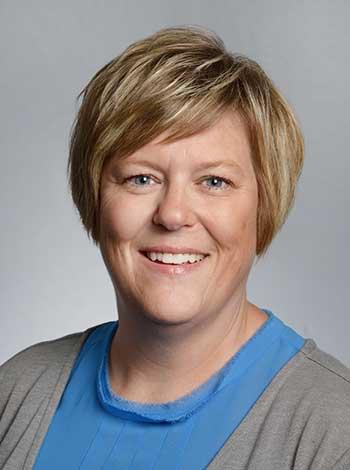
MU researchers found that people living with disabilities wish to purchase clothing that is designed and marketed like any other apparel
IMAGE

Credit: University of Missouri


COLUMBIA, Mo. – Retailers and brands such as Kohl’s, Nike, Target, Tommy Hilfiger and Zappos have recently launched adaptive apparel lines, and economists have predicted that the U.S. adaptive clothing market could grow to $54.8 billion by 2023. However, brands should consider the language they use when marketing products to this group of consumers, according to a new study from the University of Missouri. Researchers say that “adaptive” makes the apparel seem separate from the market.

“Terms such as ‘adaptive apparel’ are popular with companies,” said Kerri McBee Black, instructor of textile and apparel management. “However, calling an item of clothing adaptive can alienate and exclude people living with disabilities. Like all consumers, this population wants to feel embraced by a brand, not excluded as someone different.”

McBee-Black and co-author Jung Ha Brookshire surveyed how four terms — adaptive apparel, functional apparel, universal design and inclusive design — were used in apparel research and in the marketplace. They found that, for consumers with disabilities, the term adaptive could be interpreted as apparel that focused on their disability and not on their apparel needs and wants. They also found that while adaptive apparel was the term most commonly used in the marketplace, universal design and inclusive design were rarely used, although these are terms seen as less stigmatizing to people living with disability.

“Adaptive is the popular terminology but very non-inclusive of the disabled community,” McBee Black said. “Perhaps the adaptiveness of the products should be communicated using a more inclusive tone. This would allow consumers to see adaptive apparel as useful for anyone and not just apparel designed for wheelchair users. Using inclusive descriptors within marketing and communications strategies benefits all consumers, including those with disabilities.”

McBee-Black hopes her research on apparel and people living with disabilities will bring about change for consumers, brands, educators and even policymakers.

“Currently, the Americans with Disabilities Act focuses primarily on the built-environment,” McBee Black said. “Including language about inclusive or universally designed products used in everyday life, like apparel, could help remove the barriers to social participation, including workforce participation that many people living with disabilities face. It also might drive apparel brands to consider a more inclusive approach in their designs.”

The researchers suggest that apparel brands need to invest their time into understanding how the words used to describe the apparel they are marketing to consumers with disabilities.

###

“Words matter: a content analysis of the definitions and usage of the terms for apparel marketed to people living with disabilities,” was published in Clothing and Textiles Research Journal. The Department of Textile and Apparel Management is in the MU College of Human Environmental Sciences.

Media Contact
Sheena Rice
[email protected]
573-882-8353

Original Source

https://news.missouri.edu/2020/adaptive-versus-inclusive-words-matter-when-it-comes-to-apparel-for-people-living-with-disabilities/

Related Journal Article

http://dx.doi.org/10.1177/0887302X19890416

Tags: Advertising/Public RelationsDisabled PersonsSocial/Behavioral Science
Share12Tweet8Share2ShareShareShare2

Related Posts

Phage-Antibiotic Combo Beats Resistant Peritoneal Infection

February 7, 2026

Boosting Remote Healthcare: Stepped-Wedge Trial Insights

February 7, 2026

Barriers and Boosters of Seniors’ Physical Activity in Karachi

February 7, 2026

Evaluating Pediatric Emergency Care Quality in Ethiopia

February 7, 2026
Please login to join discussion

POPULAR NEWS

  • Robotic Ureteral Reconstruction: A Novel Approach

    Robotic Ureteral Reconstruction: A Novel Approach

    82 shares
    Share 33 Tweet 21
  • Digital Privacy: Health Data Control in Incarceration

    63 shares
    Share 25 Tweet 16
  • Study Reveals Lipid Accumulation in ME/CFS Cells

    57 shares
    Share 23 Tweet 14
  • Breakthrough in RNA Research Accelerates Medical Innovations Timeline

    53 shares
    Share 21 Tweet 13

About

We bring you the latest biotechnology news from best research centers and universities around the world. Check our website.

Follow us

Recent News

Phage-Antibiotic Combo Beats Resistant Peritoneal Infection

Boosting Remote Healthcare: Stepped-Wedge Trial Insights

Barriers and Boosters of Seniors’ Physical Activity in Karachi

Subscribe to Blog via Email

Enter your email address to subscribe to this blog and receive notifications of new posts by email.

Join 73 other subscribers
  • Contact Us

Bioengineer.org © Copyright 2023 All Rights Reserved.

Welcome Back!

Login to your account below

Forgotten Password?

Retrieve your password

Please enter your username or email address to reset your password.

Log In
No Result
View All Result
  • Homepages
    • Home Page 1
    • Home Page 2
  • News
  • National
  • Business
  • Health
  • Lifestyle
  • Science

Bioengineer.org © Copyright 2023 All Rights Reserved.