• HOME
  • NEWS
  • EXPLORE
    • CAREER
      • Companies
      • Jobs
    • EVENTS
    • iGEM
      • News
      • Team
    • PHOTOS
    • VIDEO
    • WIKI
  • BLOG
  • COMMUNITY
    • FACEBOOK
    • INSTAGRAM
    • TWITTER
Tuesday, October 6, 2026
BIOENGINEER.ORG
No Result
View All Result
  • Login
  • HOME
  • NEWS
  • EXPLORE
    • CAREER
      • Companies
      • Jobs
        • Lecturer
        • PhD Studentship
        • Postdoc
        • Research Assistant
    • EVENTS
    • iGEM
      • News
      • Team
    • PHOTOS
    • VIDEO
    • WIKI
  • BLOG
  • COMMUNITY
    • FACEBOOK
    • INSTAGRAM
    • TWITTER
No Result
View All Result
Bioengineer.org
No Result
View All Result
Home NEWS Science News

Endangered Australasian marsupials are ancient survivors of climate change

Bioengineer by Bioengineer
November 24, 2016
in Science News
Reading Time: 3 mins read
0
Share on FacebookShare on TwitterShare on LinkedinShare on RedditShare on Telegram
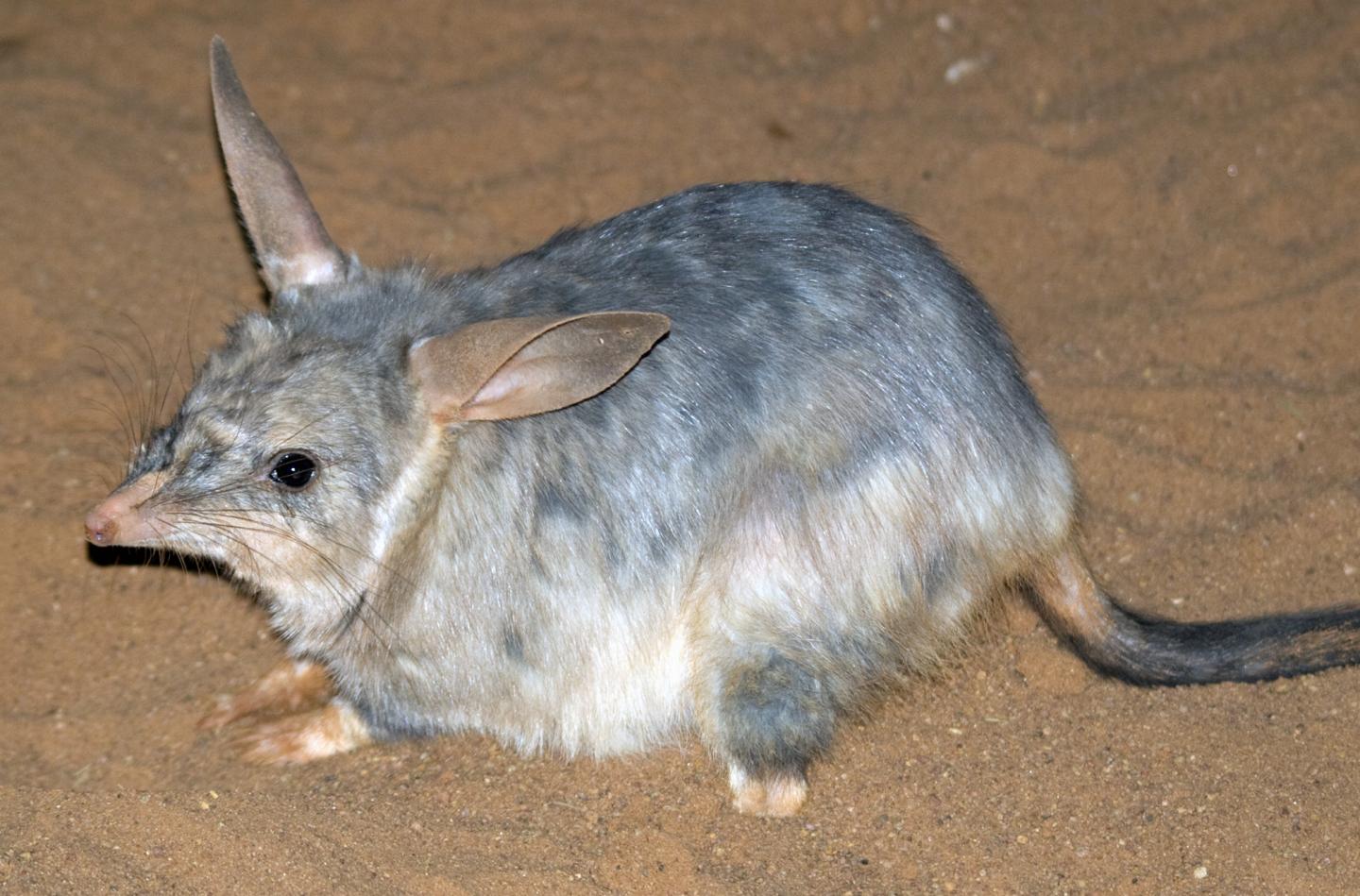
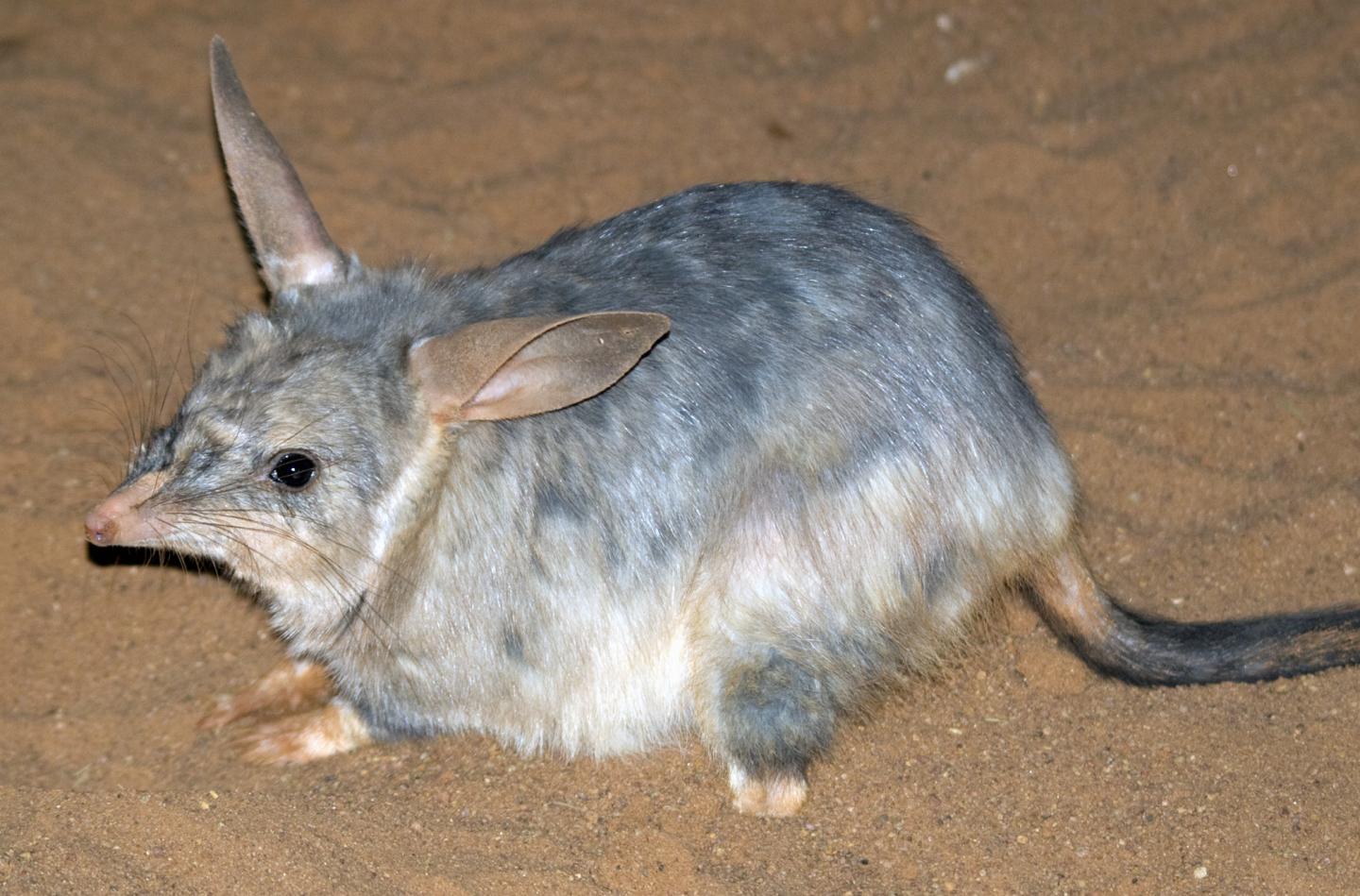
IMAGE

Credit: Michael Westerman

In a new paper, published in Scientific Reports, an international team of researchers has analysed fossils and DNA from living and recently extinct species to show that conservation sensitive Australasian marsupials are much older than previously thought.

"We used bandicoots as a model to examine the radiation of marsupials relative to climate change through time. Bandicoots are the marsupial equivalents of rodents and rabbits that today occupy a spectrum of desert through to rainforest habitats across Australia, New Guinea and surrounding islands. Alarmingly, however, most bandicoot species are under dire threat of extinction from introduced predators, habitat loss, and human hunting," says Dr Benjamin Kear from the Museum of Evolution at Uppsala University, and lead author on the study.

Bandicoot fossils are important for understanding how Australia's unique biodiversity has reacted to climate change in the past. They suggest that a shift towards drier conditions 5-10 million years ago drove ancient species into extinction, while simultaneously prompting the emergence of modern groups.

"The evolution of Australia's mammals has long been linked to aridity. Yet this hypothesis is based upon only a few distinguishing features found in the teeth and skulls of modern species," says Dr Ken Aplin of the Smithsonian National Museum of Natural History.

Dr Aplin recovered the remains of a remarkably archaic new fossil bandicoot, Lemdubuoryctes aruensis, from the Aru Islands of Eastern Indonesia.

The earliest bandicoot fossils are more than 25 million years old, but isolated teeth over 50 million years old hint at a deeper ancestry. In contrast, the first demonstrably modern bandicoots appeared less than 5 million years ago, while their most ancient relatives seemingly inhabited rainforests some 20 million years ago.

"The Aru Islands fossils are very primitive and resemble the most archaic extinct bandicoots, but amazingly are only 9,000 years old," says Dr Kear.

Lemdubuoryctes also did not live in a primordial rainforest, but rather a vast savannah plain that stretched between Australia and New Guinea during the last glacial maximum.

"While retreating rainforests and spreading grasslands did provide a backdrop for ecosystem change 5-10 million years ago. The Australian fauna likely adapted via changing its distribution rather than undergoing wholesale extinction and replacement," says Emeritus Prof. Michael Westerman from La Trobe University in Australia.

"This agrees with our results from DNA, which indicate that modern desert-living bandicoot groups pre-date the onset of aridity by as much as 40 million years," says Prof. Westerman.

Pointedly, such timeframes coincide with increasing seasonality and the proliferation of open Eucalyptus woodlands in the Australian continental interior.

"Bandicoots, like other Australasian marsupials, probably occupied a range of different habitats over many millions of years. However, our study has further implications for future conservation. Arid zone bandicoots are amongst the most vulnerable mammals in Australasia today, with multiple species having gone extinct within the last 100 years. By demonstrating their profound evolutionary antiquity we can thus serve to highlight how extremely urgent it is to protect these living fossils as part of Australia's unique biodiversity", says Dr Kear.

###

Media Contact

Benjamin Kear
[email protected]
46-018-471-2792
@UU_University

http://www.uu.se

############

Story Source: Materials provided by Scienmag

Share12Tweet8Share2ShareShareShare2

Related Posts

Common Dye Could Become a Molecular Trap for Recovering Lithium

Common Dye Could Become a Molecular Trap for Recovering Lithium

October 6, 2026
Crushing Rice Seeds Under Pressure Leaves Genetic Scars That Last Nine Generations

Crushing Rice Seeds Under Pressure Leaves Genetic Scars That Last Nine Generations

October 6, 2026

AI That Explains Itself: New Benchmark Reveals Which Neural Networks Truly See Pneumonia

October 6, 2026

Physicists Bring Topological Band Theory to the Heart of Chemical Reactions

October 6, 2026
Please login to join discussion

POPULAR NEWS

  • Alloys That Shrink Their Own Grains: New PIX Mechanism Refines Metals With Heat Alone

    Alloys That Shrink Their Own Grains: New PIX Mechanism Refines Metals With Heat Alone

    29 shares
    Share 12 Tweet 7
  • Endurance Exercise Reshapes the Liver in Males and Females Through Distinct Molecular Routes

    29 shares
    Share 12 Tweet 7
  • Single Transcription Factor PU.1 Rapidly Converts Fibroblasts into Macrophage-Lineage Cells

    29 shares
    Share 12 Tweet 7
  • New Scale Measures How Ready Nurse Educators Really Are for the AI Era

    29 shares
    Share 12 Tweet 7

About

We bring you the latest biotechnology news from best research centers and universities around the world. Check our website.

Follow us

Recent News

Alloys That Shrink Their Own Grains: New PIX Mechanism Refines Metals With Heat Alone

Endurance Exercise Reshapes the Liver in Males and Females Through Distinct Molecular Routes

Single Transcription Factor PU.1 Rapidly Converts Fibroblasts into Macrophage-Lineage Cells

Subscribe to Blog via Email

Success! An email was just sent to confirm your subscription. Please find the email now and click 'Confirm' to start subscribing.

Join 85 other subscribers
  • Contact Us

Bioengineer.org © Copyright 2023 All Rights Reserved.

Welcome Back!

Login to your account below

Forgotten Password?

Retrieve your password

Please enter your username or email address to reset your password.

Log In
No Result
View All Result
  • Homepages
    • Home Page 1
    • Home Page 2
  • News
  • National
  • Business
  • Health
  • Lifestyle
  • Science

Bioengineer.org © Copyright 2023 All Rights Reserved.