• HOME
  • NEWS
  • EXPLORE
    • CAREER
      • Companies
      • Jobs
    • EVENTS
    • iGEM
      • News
      • Team
    • PHOTOS
    • VIDEO
    • WIKI
  • BLOG
  • COMMUNITY
    • FACEBOOK
    • INSTAGRAM
    • TWITTER
Sunday, October 4, 2026
BIOENGINEER.ORG
No Result
View All Result
  • Login
  • HOME
  • NEWS
  • EXPLORE
    • CAREER
      • Companies
      • Jobs
        • Lecturer
        • PhD Studentship
        • Postdoc
        • Research Assistant
    • EVENTS
    • iGEM
      • News
      • Team
    • PHOTOS
    • VIDEO
    • WIKI
  • BLOG
  • COMMUNITY
    • FACEBOOK
    • INSTAGRAM
    • TWITTER
  • HOME
  • NEWS
  • EXPLORE
    • CAREER
      • Companies
      • Jobs
        • Lecturer
        • PhD Studentship
        • Postdoc
        • Research Assistant
    • EVENTS
    • iGEM
      • News
      • Team
    • PHOTOS
    • VIDEO
    • WIKI
  • BLOG
  • COMMUNITY
    • FACEBOOK
    • INSTAGRAM
    • TWITTER
No Result
View All Result
Bioengineer.org
No Result
View All Result
Home NEWS Science News

Efforts are needed to protect native species from feral cats

Bioengineer by Bioengineer
November 21, 2016
in Science News
Reading Time: 1 min read
0
Share on FacebookShare on TwitterShare on LinkedinShare on RedditShare on Telegram
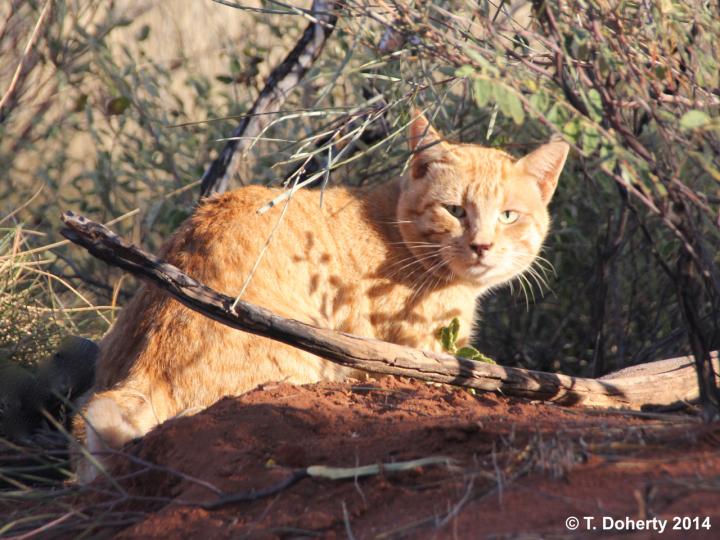
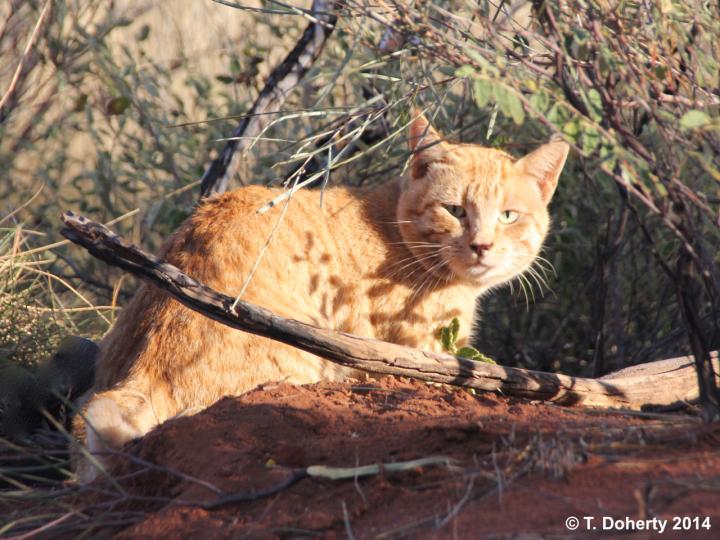
IMAGE

Credit: Dr Tim Doherty

Feral cats are among the most damaging invasive species worldwide, particularly in Australia where they have caused the extinction of more than 20 mammal species. New work has developed priorities for feral cat research and management, including preventing further extinctions, testing new management tools, and increasing potential for native fauna to coexist with cats.

Managing the impacts of cats will be best achieved through a combination of actions, with tools that include guardian animals and grooming traps that spray a toxin onto passing individuals. Careful planning and monitoring are needed to ensure the most cost-effective and ecologically-sound outcomes are achieved from feral cat management.

"Given the urgency of the problem, we need a layered approach, including emergency intervention for species most at risk, and research that improves longer term management of feral cat impacts in larger areas," said Dr. Tim Doherty, lead author of the Mammal Review article.

###

Media Contact

Penny Smith
[email protected]
44-012-437-70171

http://www.wiley.com/wiley-blackwell

############

Story Source: Materials provided by Scienmag

Share12Tweet8Share2ShareShareShare2

Related Posts

Adding Immunotherapy to Chemo and Bevacizumab Extends Survival in Recurrent Cervical Cancer

Adding Immunotherapy to Chemo and Bevacizumab Extends Survival in Recurrent Cervical Cancer

October 4, 2026
Forskolin Extract Boosts Gut Hormone GLP-1 and Strengthens Intestinal Barrier in Cell Study

Forskolin Extract Boosts Gut Hormone GLP-1 and Strengthens Intestinal Barrier in Cell Study

October 4, 2026

Empathy, Not Mood, Drives Helping in Autistic Children, Study Finds

October 4, 2026

Simple Sugar Dextrose Emerges as Best Carbon Source for Zero-Exchange Shrimp Hatcheries

October 4, 2026
Please login to join discussion

POPULAR NEWS

  • Alloys That Shrink Their Own Grains: New PIX Mechanism Refines Metals With Heat Alone

    Alloys That Shrink Their Own Grains: New PIX Mechanism Refines Metals With Heat Alone

    29 shares
    Share 12 Tweet 7
  • Endurance Exercise Reshapes the Liver in Males and Females Through Distinct Molecular Routes

    29 shares
    Share 12 Tweet 7
  • Single Transcription Factor PU.1 Rapidly Converts Fibroblasts into Macrophage-Lineage Cells

    29 shares
    Share 12 Tweet 7
  • New Scale Measures How Ready Nurse Educators Really Are for the AI Era

    29 shares
    Share 12 Tweet 7

About

We bring you the latest biotechnology news from best research centers and universities around the world. Check our website.

Follow us

Recent News

Alloys That Shrink Their Own Grains: New PIX Mechanism Refines Metals With Heat Alone

Endurance Exercise Reshapes the Liver in Males and Females Through Distinct Molecular Routes

Single Transcription Factor PU.1 Rapidly Converts Fibroblasts into Macrophage-Lineage Cells

Subscribe to Blog via Email

Success! An email was just sent to confirm your subscription. Please find the email now and click 'Confirm' to start subscribing.

Join 85 other subscribers
  • Contact Us

Bioengineer.org © Copyright 2023 All Rights Reserved.

Welcome Back!

Login to your account below

Forgotten Password?

Retrieve your password

Please enter your username or email address to reset your password.

Log In
No Result
View All Result
  • Homepages
    • Home Page 1
    • Home Page 2
  • News
  • National
  • Business
  • Health
  • Lifestyle
  • Science

Bioengineer.org © Copyright 2023 All Rights Reserved.