• HOME
  • NEWS
  • EXPLORE
    • CAREER
      • Companies
      • Jobs
    • EVENTS
    • iGEM
      • News
      • Team
    • PHOTOS
    • VIDEO
    • WIKI
  • BLOG
  • COMMUNITY
    • FACEBOOK
    • INSTAGRAM
    • TWITTER
Friday, December 5, 2025
BIOENGINEER.ORG
No Result
View All Result
  • Login
  • HOME
  • NEWS
  • EXPLORE
    • CAREER
      • Companies
      • Jobs
        • Lecturer
        • PhD Studentship
        • Postdoc
        • Research Assistant
    • EVENTS
    • iGEM
      • News
      • Team
    • PHOTOS
    • VIDEO
    • WIKI
  • BLOG
  • COMMUNITY
    • FACEBOOK
    • INSTAGRAM
    • TWITTER
  • HOME
  • NEWS
  • EXPLORE
    • CAREER
      • Companies
      • Jobs
        • Lecturer
        • PhD Studentship
        • Postdoc
        • Research Assistant
    • EVENTS
    • iGEM
      • News
      • Team
    • PHOTOS
    • VIDEO
    • WIKI
  • BLOG
  • COMMUNITY
    • FACEBOOK
    • INSTAGRAM
    • TWITTER
No Result
View All Result
Bioengineer.org
No Result
View All Result
Home NEWS Science News Biology

Early DNA lineages shed light on the diverse origins of the contemporary population

Bioengineer by Bioengineer
November 15, 2019
in Biology
Reading Time: 2 mins read
0
IMAGE
Share on FacebookShare on TwitterShare on LinkedinShare on RedditShare on Telegram

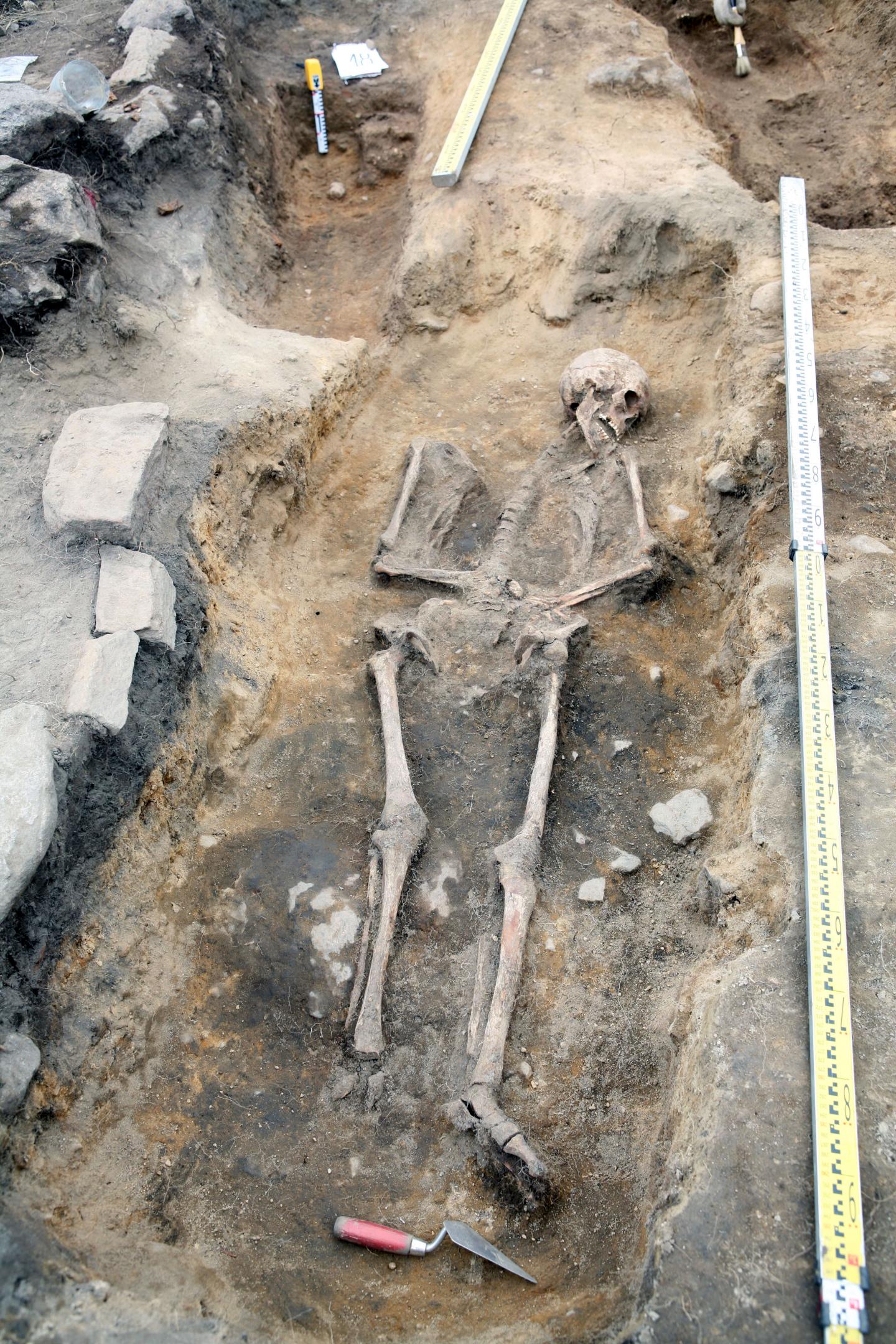
Early DNA lineages from Finland shed light on the diverse origins of the contemporary population
IMAGE

Credit: Stanislav Belskiy


A new genetic study carried out at the University of Helsinki and the University of Turku demonstrates that, at the end of the Iron Age, Finland was inhabited by separate and differing populations, all of them influencing the gene pool of modern Finns. The study is so far the most extensive investigation of the ancient DNA of people inhabiting the region of Finland.

In the study, genes were investigated from archaeological bone samples of more than one hundred individuals who lived between the 4th and 19th centuries AD. Most of the samples originated in the Iron Age and the Middle Ages. Mitochondrial DNA (mtDNA), which is passed down by mothers to all of their offspring, was extracted from the individuals, thus uncovering the population history of women.

Based on the findings, the people who inhabited Finland in the Iron Age (approximately 300-1300 AD) and the Middle Ages (approximately 1200-1500 AD) shared mitochondrial lineages with today’s Finns. However, significant differences were seen in the genome of individuals buried in different burial sites in the Iron Age in particular. mtDNA lineages typical of Stone Age hunter-gatherers were common among those buried in Luistari, Eura (southwest Finland), and Kirkkailanmaki, Hollola (southern Finland). In Kylalahti, Hiitola (Republic of Karelia, Russia) and Tuukkala, Mikkeli (eastern Finland), the most common findings were lineages characteristic of ancient European farmer populations. The fifth Iron Age burial site included in the study is located in Levanluhta, western Finland. Many of the individuals buried there represented mtDNA lineages associated with the modern Sami.

“All of the above originally independent lineages remain common in Finland to this day. This indicates that the studied Iron Age populations have had an impact on the gene pool of contemporary Finns,” says doctoral student Sanni Oversti from the Faculty of Biological and Environmental Sciences, University of Helsinki, Finland.

The researchers posit that the differences found in the Iron Age populations of western and eastern Finland are opposite to those found in today’s Finns: the lineages associated with ancient farmers were more common in the east, while the lineages inherited from hunter-gatherers were more prevalent in the west. Farmer populations arriving in Finland not only from the west and south but also from the east provides a potential explanation for this.

###

Media Contact
Paivi Onkamo
[email protected]
358-405-789-189

Original Source

https://www.helsinki.fi/en/news/life-science-news/early-dna-lineages-from-finland-shed-light-on-the-diverse-origins-of-the-contemporary-population

Related Journal Article

http://dx.doi.org/10.1038/s41598-019-51045-8

Tags: ArchaeologyGeneticsHistoryOld WorldPopulation Biology
Share17Tweet11Share3ShareShareShare2

Related Posts

blank

Rice miRNA: Key Regulator in Fungal Interactions

December 3, 2025
Human Impact Alters Leopard and Ungulate Dynamics

Human Impact Alters Leopard and Ungulate Dynamics

December 3, 2025

Adaptive Microsatellite Variants in Indian Yak Populations

December 2, 2025

Guide to Single-Cell RNA Transcriptomics Unveiled

December 2, 2025
Please login to join discussion

POPULAR NEWS

  • New Research Unveils the Pathway for CEOs to Achieve Social Media Stardom

    New Research Unveils the Pathway for CEOs to Achieve Social Media Stardom

    204 shares
    Share 82 Tweet 51
  • Scientists Uncover Chameleon’s Telephone-Cord-Like Optic Nerves, A Feature Missed by Aristotle and Newton

    121 shares
    Share 48 Tweet 30
  • Neurological Impacts of COVID and MIS-C in Children

    107 shares
    Share 43 Tweet 27
  • MoCK2 Kinase Shapes Mitochondrial Dynamics in Rice Fungal Pathogen

    69 shares
    Share 28 Tweet 17

About

We bring you the latest biotechnology news from best research centers and universities around the world. Check our website.

Follow us

Recent News

Boosting Cancer Immunotherapy by Targeting DNA Repair

Evaluating eGFR Equations in Chinese Children

Metformin-Alogliptin Combo vs. Monotherapy in Diabetes

Subscribe to Blog via Email

Enter your email address to subscribe to this blog and receive notifications of new posts by email.

Join 69 other subscribers
  • Contact Us

Bioengineer.org © Copyright 2023 All Rights Reserved.

Welcome Back!

Login to your account below

Forgotten Password?

Retrieve your password

Please enter your username or email address to reset your password.

Log In
No Result
View All Result
  • Homepages
    • Home Page 1
    • Home Page 2
  • News
  • National
  • Business
  • Health
  • Lifestyle
  • Science

Bioengineer.org © Copyright 2023 All Rights Reserved.