• HOME
  • NEWS
  • EXPLORE
    • CAREER
      • Companies
      • Jobs
    • EVENTS
    • iGEM
      • News
      • Team
    • PHOTOS
    • VIDEO
    • WIKI
  • BLOG
  • COMMUNITY
    • FACEBOOK
    • INSTAGRAM
    • TWITTER
Saturday, December 27, 2025
BIOENGINEER.ORG
No Result
View All Result
  • Login
  • HOME
  • NEWS
  • EXPLORE
    • CAREER
      • Companies
      • Jobs
        • Lecturer
        • PhD Studentship
        • Postdoc
        • Research Assistant
    • EVENTS
    • iGEM
      • News
      • Team
    • PHOTOS
    • VIDEO
    • WIKI
  • BLOG
  • COMMUNITY
    • FACEBOOK
    • INSTAGRAM
    • TWITTER
  • HOME
  • NEWS
  • EXPLORE
    • CAREER
      • Companies
      • Jobs
        • Lecturer
        • PhD Studentship
        • Postdoc
        • Research Assistant
    • EVENTS
    • iGEM
      • News
      • Team
    • PHOTOS
    • VIDEO
    • WIKI
  • BLOG
  • COMMUNITY
    • FACEBOOK
    • INSTAGRAM
    • TWITTER
No Result
View All Result
Bioengineer.org
No Result
View All Result
Home NEWS Science News Biology

SDHI pesticides are toxic for human cells

Bioengineer by Bioengineer
November 7, 2019
in Biology
Reading Time: 2 mins read
0
IMAGE
Share on FacebookShare on TwitterShare on LinkedinShare on RedditShare on Telegram

IMAGE

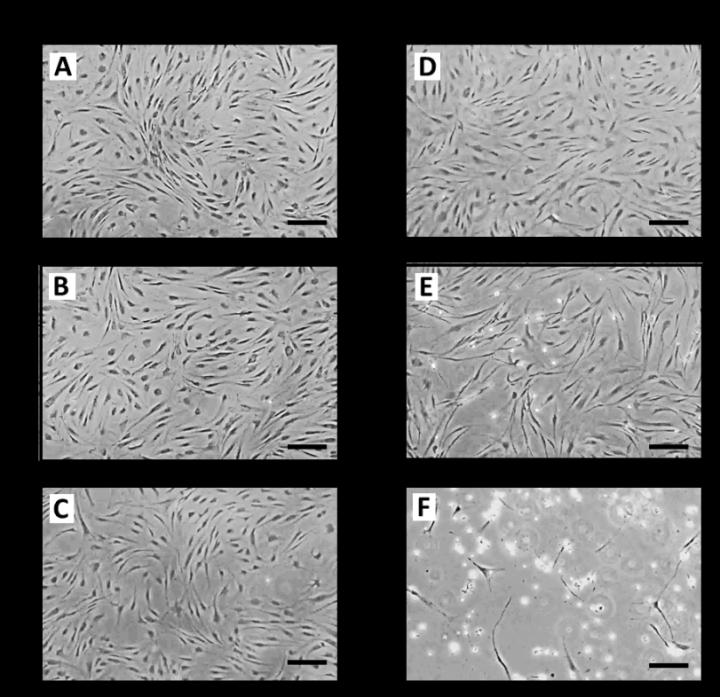
A and D: control human cells (fibroblasts) cultured for ten days in the presence (A) or absence (D) of glucose, with glutamine being the only source of carbon in this…
view more 


Mitochondria are organelles that are present in eukaryotic cells. They contain respiratory chains that are crucial for the survival of organisms. Without mitochondria, it would be impossible, in the presence of oxygen, to extract the energy contained in nutrients in order for cells to function. In human beings, the dysfunction of a key enzyme in the respiratory chain, succinate dehydrogenase (SDH), is associated with serious illnesses. Numerous pesticides used in agricultural plots or athletic fields act by blocking the SDH activity of parasitic fungi, thereby preventing their development. These compounds, which are SDH inhibitors, are known as SDHI. French scientists* have just revealed that eight SDHI pesticide molecules sold in France do not just inhibit the SDH activity of fungi, but can also block that of earthworms, bees, and human cells in varying proportions. The research team led by Pierre Rustin, Senior Researchers Emeritus at the CNRS, showed that the SDH of 22 different species is highly similar, especially in areas targeted by SDHIs. Finally, researchers demonstrated that the conditions of current regulatory tests for toxicity mask a very important effect that SDHIs have on human cells: the pesticides induce oxidative stress in cells, leading to their death. This study was published in the journal PLOS ONE on 7 November 2019.

###

*- Scientists from the CNRS, Inserm, Inra, Université de Paris, Université Toulouse III – Paul Sabatier, and the Assistance publique – Hôpitaux de Paris took part in this study.

Media Contact
Francois Maginiot
[email protected]
33-144-964-309

Related Journal Article

http://dx.doi.org/10.1371/journal.pone.0224132

Tags: BiologyCell BiologyEnvironmental Health
Share12Tweet8Share2ShareShareShare2

Related Posts

Enhancing Snail Breeding: Age at First Oviposition

Enhancing Snail Breeding: Age at First Oviposition

December 27, 2025
Comparing PCR Methods for Accurate Euphausia pacifica ID

Comparing PCR Methods for Accurate Euphausia pacifica ID

December 27, 2025

Exploring Maternal Lineage and Health in Northern Pakistan

December 27, 2025

Pichia kluyveri Compounds Combat Cacao Pathogen Moniliophthora roreri

December 27, 2025
Please login to join discussion

POPULAR NEWS

  • Robotic Waist Tether for Research Into Metabolic Cost of Walking

    NSF funds machine-learning research at UNO and UNL to study energy requirements of walking in older adults

    71 shares
    Share 28 Tweet 18
  • Nurses’ Views on Online Learning: Effects on Performance

    70 shares
    Share 28 Tweet 18
  • Exploring Audiology Accessibility in Johannesburg, South Africa

    51 shares
    Share 20 Tweet 13
  • Unraveling Levofloxacin’s Impact on Brain Function

    54 shares
    Share 22 Tweet 14

About

We bring you the latest biotechnology news from best research centers and universities around the world. Check our website.

Follow us

Recent News

Reassessing N-acetylcysteine Cut-off in Paracetamol Poisoning

Enhancing Nursing Care for Non-Communicable Disease Patients

Rare Pairing: Alagille Syndrome meets Biliary Atresia

Subscribe to Blog via Email

Enter your email address to subscribe to this blog and receive notifications of new posts by email.

Join 71 other subscribers
  • Contact Us

Bioengineer.org © Copyright 2023 All Rights Reserved.

Welcome Back!

Login to your account below

Forgotten Password?

Retrieve your password

Please enter your username or email address to reset your password.

Log In
No Result
View All Result
  • Homepages
    • Home Page 1
    • Home Page 2
  • News
  • National
  • Business
  • Health
  • Lifestyle
  • Science

Bioengineer.org © Copyright 2023 All Rights Reserved.