• HOME
  • NEWS
  • EXPLORE
    • CAREER
      • Companies
      • Jobs
    • EVENTS
    • iGEM
      • News
      • Team
    • PHOTOS
    • VIDEO
    • WIKI
  • BLOG
  • COMMUNITY
    • FACEBOOK
    • INSTAGRAM
    • TWITTER
Saturday, February 7, 2026
BIOENGINEER.ORG
No Result
View All Result
  • Login
  • HOME
  • NEWS
  • EXPLORE
    • CAREER
      • Companies
      • Jobs
        • Lecturer
        • PhD Studentship
        • Postdoc
        • Research Assistant
    • EVENTS
    • iGEM
      • News
      • Team
    • PHOTOS
    • VIDEO
    • WIKI
  • BLOG
  • COMMUNITY
    • FACEBOOK
    • INSTAGRAM
    • TWITTER
  • HOME
  • NEWS
  • EXPLORE
    • CAREER
      • Companies
      • Jobs
        • Lecturer
        • PhD Studentship
        • Postdoc
        • Research Assistant
    • EVENTS
    • iGEM
      • News
      • Team
    • PHOTOS
    • VIDEO
    • WIKI
  • BLOG
  • COMMUNITY
    • FACEBOOK
    • INSTAGRAM
    • TWITTER
No Result
View All Result
Bioengineer.org
No Result
View All Result
Home NEWS Science News Biology

Scientists studied the reasons for plant extinction in different world regions

Bioengineer by Bioengineer
November 5, 2019
in Biology
Reading Time: 2 mins read
0
IMAGE
Share on FacebookShare on TwitterShare on LinkedinShare on RedditShare on Telegram

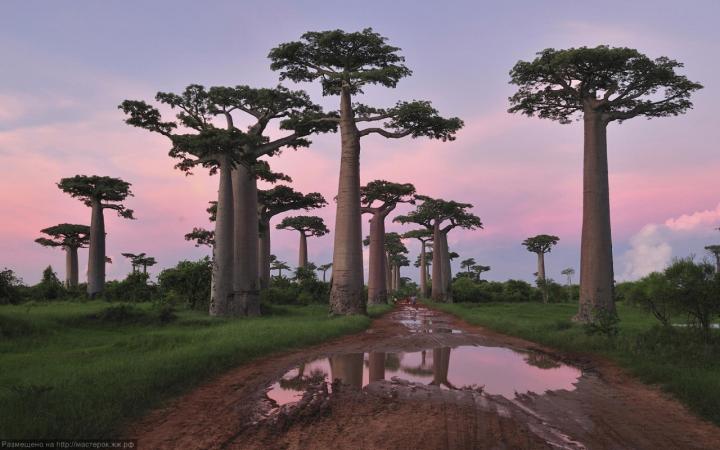
A team of Russian researchers from Tyumen State University together with foreign colleagues studied the cases of plant extinction in world biodiversity hotspots and coldspots
IMAGE

Credit: Thomas Marent

Species have been getting extinct on our planet since the beginning of life on it. However, the rate of extinction considerably increased with the rise of human population. The humans affect the biosphere and causes large alterations in it. These changes destroy habitats, cause the biological invasions into ecosystems, and accelerate the extinction of many species. These processes may differ depending on the region and might affect the plant diversity. In this study a team of researchers from Tyumen State University and their foreign colleagues investigated such differences in world biodiversity hotspots (predominantly regions with Mediterranean-type of climate) and coldspots (predominantly Eurasian countries).

“We demonstrated that currently plants are getting extinct 350 times faster than on average along the studied time span, i.e. 300 years. If we continue ignoring the importance of natural ecosystems and their integrity, this can lead to disastrous consequences, and relationships between plants, insects, and other species may be broken,” warned Anatoliy Khapugin, a PhD degree Researcher of the Tyumen State University.

On the basis of the obtained data, the research group studied the tendencies, reasons, and dynamics of plant extinction over the past 300 years. Today’s extinction rates of many plants appeared to be higher in the biodiversity hotspots worldwide. However, according to the present study, the extinction rates have recently reduced in all regions. The most threatened species were perennial herb plants growing in temperate regions such as dandelion, crowfoot, and others. In unfavorable conditions, parts of their shoots die out, and remnants remain on the ground level. The main reasons for plant extinction in both groups of regions are agriculture and urbanization. In hotspot regions, one more threat caused plant extinction were biological invasions of plants and animals penetrated to new habitats and often caused harm to local flora and fauna. In biodiversity coldspots, changes in the hydrological regime of habitats (such as new dams that negatively affect the functioning of water bodies) may also cause plant extinctions.

“To counteract the biodiversity loss, new Protected Areas should be created, and special protection regime should be maintained in these territories to predominantly or completely prevent human activity there. In many world regions, including Russia, both national and regional Protected Area Networks prove to be inefficient. They have to be expanded to protect more habitats of threatened plants and animals,” stated by Anatoliy Khapugin.

###

Media Contact
Olga Chirkova
[email protected]

Related Journal Article

http://dx.doi.org/10.1016/j.cub.2019.07.063

Tags: BiodiversityBiologyEarth SciencePlant Sciences
Share12Tweet8Share2ShareShareShare2

Related Posts

Florida Cane Toad: Complex Spread and Selective Evolution

Florida Cane Toad: Complex Spread and Selective Evolution

February 7, 2026
New Study Uncovers Mechanism Behind Burn Pit Particulate Matter–Induced Lung Inflammation

New Study Uncovers Mechanism Behind Burn Pit Particulate Matter–Induced Lung Inflammation

February 6, 2026

DeepBlastoid: Advancing Automated and Efficient Evaluation of Human Blastoids with Deep Learning

February 6, 2026

Navigating the Gut: The Role of Formic Acid in the Microbiome

February 6, 2026
Please login to join discussion

POPULAR NEWS

  • Robotic Ureteral Reconstruction: A Novel Approach

    Robotic Ureteral Reconstruction: A Novel Approach

    82 shares
    Share 33 Tweet 21
  • Digital Privacy: Health Data Control in Incarceration

    63 shares
    Share 25 Tweet 16
  • Study Reveals Lipid Accumulation in ME/CFS Cells

    57 shares
    Share 23 Tweet 14
  • Breakthrough in RNA Research Accelerates Medical Innovations Timeline

    53 shares
    Share 21 Tweet 13

About

We bring you the latest biotechnology news from best research centers and universities around the world. Check our website.

Follow us

Recent News

Decoding Prostate Cancer Origins via snFLARE-seq, mxFRIZNGRND

Digital Health Perspectives from Baltic Sea Experts

Florida Cane Toad: Complex Spread and Selective Evolution

Subscribe to Blog via Email

Enter your email address to subscribe to this blog and receive notifications of new posts by email.

Join 73 other subscribers
  • Contact Us

Bioengineer.org © Copyright 2023 All Rights Reserved.

Welcome Back!

Login to your account below

Forgotten Password?

Retrieve your password

Please enter your username or email address to reset your password.

Log In
No Result
View All Result
  • Homepages
    • Home Page 1
    • Home Page 2
  • News
  • National
  • Business
  • Health
  • Lifestyle
  • Science

Bioengineer.org © Copyright 2023 All Rights Reserved.