

• HOME
  • NEWS
  • EXPLORE
    • CAREER
      • Companies
      • Jobs
    • EVENTS
    • iGEM
      • News
      • Team
    • PHOTOS
    • VIDEO
    • WIKI
  • BLOG
  • COMMUNITY
    • FACEBOOK
    • INSTAGRAM
    • TWITTER
Thursday, January 1, 2026
BIOENGINEER.ORG
No Result
View All Result
  • Login
  • HOME
  • NEWS
  • EXPLORE
    • CAREER
      • Companies
      • Jobs
        • Lecturer
        • PhD Studentship
        • Postdoc
        • Research Assistant
    • EVENTS
    • iGEM
      • News
      • Team
    • PHOTOS
    • VIDEO
    • WIKI
  • BLOG
  • COMMUNITY
    • FACEBOOK
    • INSTAGRAM
    • TWITTER
  • HOME
  • NEWS
  • EXPLORE
    • CAREER
      • Companies
      • Jobs
        • Lecturer
        • PhD Studentship
        • Postdoc
        • Research Assistant
    • EVENTS
    • iGEM
      • News
      • Team
    • PHOTOS
    • VIDEO
    • WIKI
  • BLOG
  • COMMUNITY
    • FACEBOOK
    • INSTAGRAM
    • TWITTER
No Result
View All Result
Bioengineer.org
No Result
View All Result
Home NEWS Science News Science

Sleep apnea immediately compromises blood pressure

Bioengineer by Bioengineer
November 17, 2016
in Science
Reading Time: 2 mins read
0
Share on FacebookShare on TwitterShare on LinkedinShare on RedditShare on Telegram
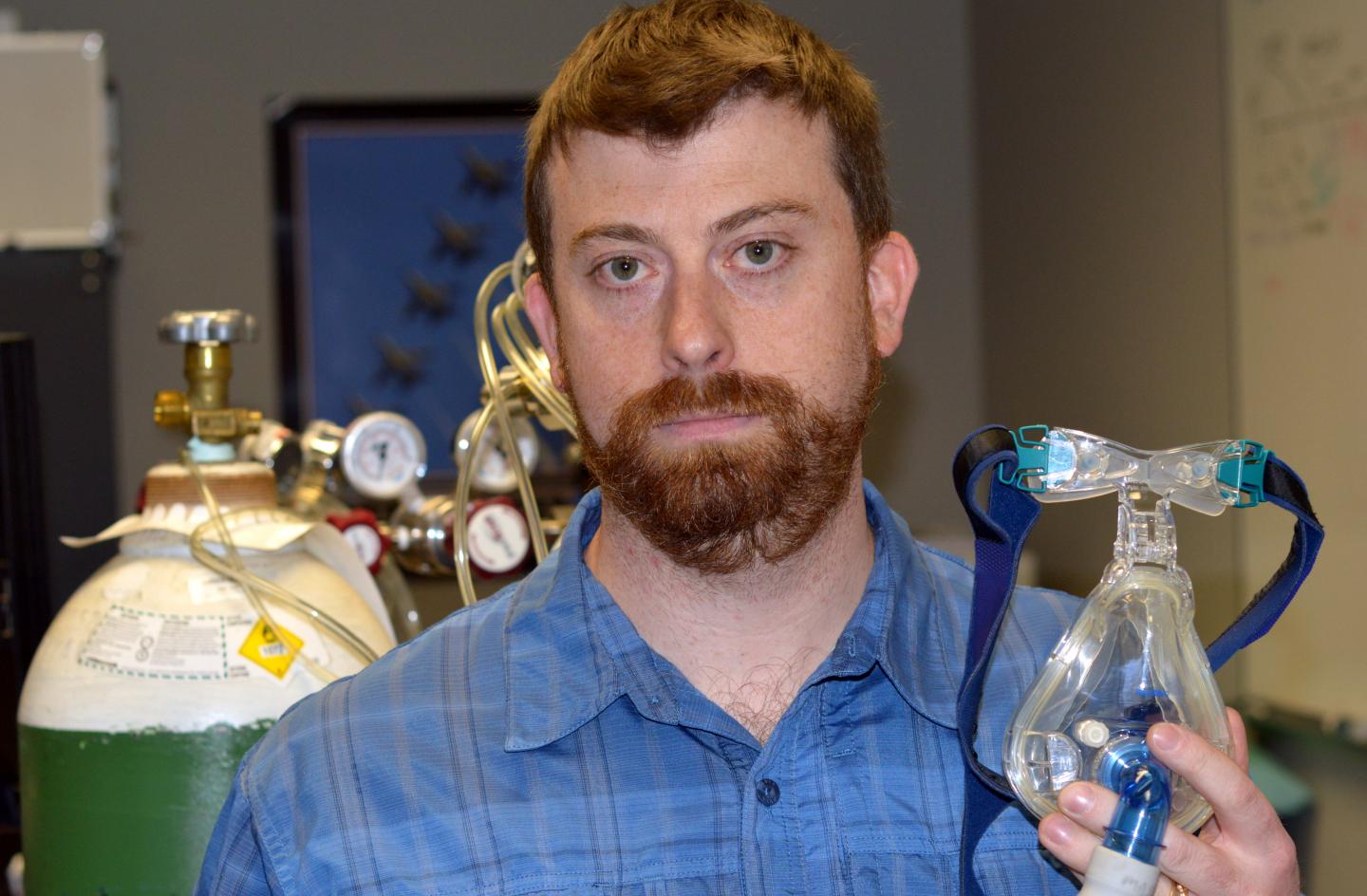
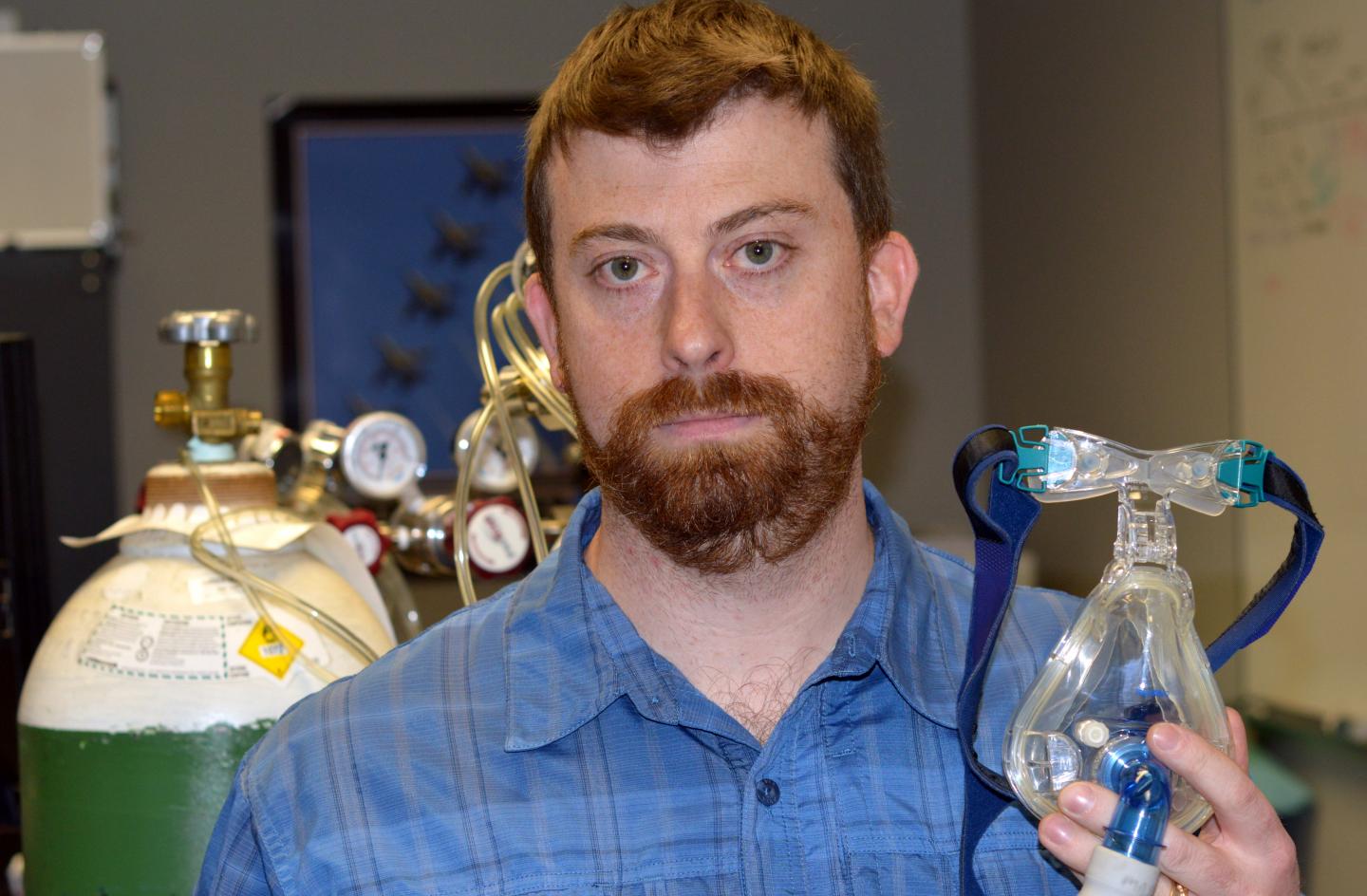
IMAGE

Credit: UBC

A single bout of sleep apnea impacts the human body's ability to regulate blood pressure.

In a recent study measuring the impact of simulated sleep apnea on humans, researchers at UBC's Okanagan campus found that just six hours of the fluctuating oxygen levels associated with sleep apnea can begin to deteriorate a person's circulatory system.

Sleep apnea is a condition where breathing repeatedly stops and starts during sleep. The condition can result in frequent periods of decreased oxygen levels in the body, known as intermittent hypoxia.

"While it is well established that sleep apnea is linked to high blood pressure, our study shows this condition has an impact on the cardiovascular system that can begin within a single day," says Glen Foster, an assistant professor of health and exercise science. "After just six hours of fluctuating oxygen levels, similar to what happens with sleep apnea, the body's ability to regulate blood pressure is impaired.

"These changes occurred almost immediately in healthy young adults who were not experiencing the cumulative effects years of sleep apnea could bring about."

As part of his study, Foster examined the impact of intermittent hypoxia on the cardiovascular system in 10 healthy young adults. Study participants wore a ventilating mask for six hours and oxygen levels were altered to mimic sleep apnea symptoms.

The study found that sleep apnea compromised the function of a person's baroreceptors–biological sensors that regulate blood pressure. It also found damaging blood flow patterns in the legs, which over time could impact vascular health.

"These findings suggest that interventions for people suffering sleep apnea should occur as soon as the condition is diagnosed," adds Foster.

According to the Public Health Agency of Canada, 5.4 million Canadians are either diagnosed with or at high risk for sleep apnea.

Foster's research was recently published in the American Journal of Physiology.

###

Media Contact

Patty Wellborn
[email protected]
250-807-8463

http://ok.ubc.ca/welcome.html

############

Story Source: Materials provided by Scienmag
Share12Tweet8Share2ShareShareShare2

Related Posts

Five or more hours of smartphone usage per day may increase obesity

July 25, 2019
IMAGE

NASA’s terra satellite finds tropical storm 07W’s strength on the side

July 25, 2019

NASA finds one burst of energy in weakening Depression Dalila

July 25, 2019

Researcher’s innovative flood mapping helps water and emergency management officials

July 25, 2019
Please login to join discussion

POPULAR NEWS

  • blank

    PTSD, Depression, Anxiety in Childhood Cancer Survivors, Parents

    111 shares
    Share 44 Tweet 28
  • NSF funds machine-learning research at UNO and UNL to study energy requirements of walking in older adults

    71 shares
    Share 28 Tweet 18
  • Exploring Audiology Accessibility in Johannesburg, South Africa

    52 shares
    Share 21 Tweet 13
  • SARS-CoV-2 Subvariants Affect Outcomes in Elderly Hip Fractures

    44 shares
    Share 18 Tweet 11

About

We bring you the latest biotechnology news from best research centers and universities around the world. Check our website.

Follow us

Recent News

FACEing Advances: Single-Pixel Complex-Field Microscopy Beyond Visible

AI Classifies Tumor-Infiltrating Lymphocytes in Breast Cancer

Breakthroughs in 3D Photonic Waveguide Couplers

Subscribe to Blog via Email

Enter your email address to subscribe to this blog and receive notifications of new posts by email.

Join 71 other subscribers
  • Contact Us

Bioengineer.org © Copyright 2023 All Rights Reserved.

Welcome Back!

Login to your account below

Forgotten Password?

Retrieve your password

Please enter your username or email address to reset your password.

Log In
No Result
View All Result
  • Homepages
    • Home Page 1
    • Home Page 2
  • News
  • National
  • Business
  • Health
  • Lifestyle
  • Science

Bioengineer.org © Copyright 2023 All Rights Reserved.