• HOME
  • NEWS
  • EXPLORE
    • CAREER
      • Companies
      • Jobs
    • EVENTS
    • iGEM
      • News
      • Team
    • PHOTOS
    • VIDEO
    • WIKI
  • BLOG
  • COMMUNITY
    • FACEBOOK
    • INSTAGRAM
    • TWITTER
Thursday, March 26, 2026
BIOENGINEER.ORG
No Result
View All Result
  • Login
  • HOME
  • NEWS
  • EXPLORE
    • CAREER
      • Companies
      • Jobs
        • Lecturer
        • PhD Studentship
        • Postdoc
        • Research Assistant
    • EVENTS
    • iGEM
      • News
      • Team
    • PHOTOS
    • VIDEO
    • WIKI
  • BLOG
  • COMMUNITY
    • FACEBOOK
    • INSTAGRAM
    • TWITTER
  • HOME
  • NEWS
  • EXPLORE
    • CAREER
      • Companies
      • Jobs
        • Lecturer
        • PhD Studentship
        • Postdoc
        • Research Assistant
    • EVENTS
    • iGEM
      • News
      • Team
    • PHOTOS
    • VIDEO
    • WIKI
  • BLOG
  • COMMUNITY
    • FACEBOOK
    • INSTAGRAM
    • TWITTER
No Result
View All Result
Bioengineer.org
No Result
View All Result
Home NEWS Science News Health

Seeing greenery linked to less intense and frequent cravings

Bioengineer by Bioengineer
July 12, 2019
in Health
Reading Time: 3 mins read
0
IMAGE
Share on FacebookShare on TwitterShare on LinkedinShare on RedditShare on Telegram

IMAGE

Credit: University of Plymouth

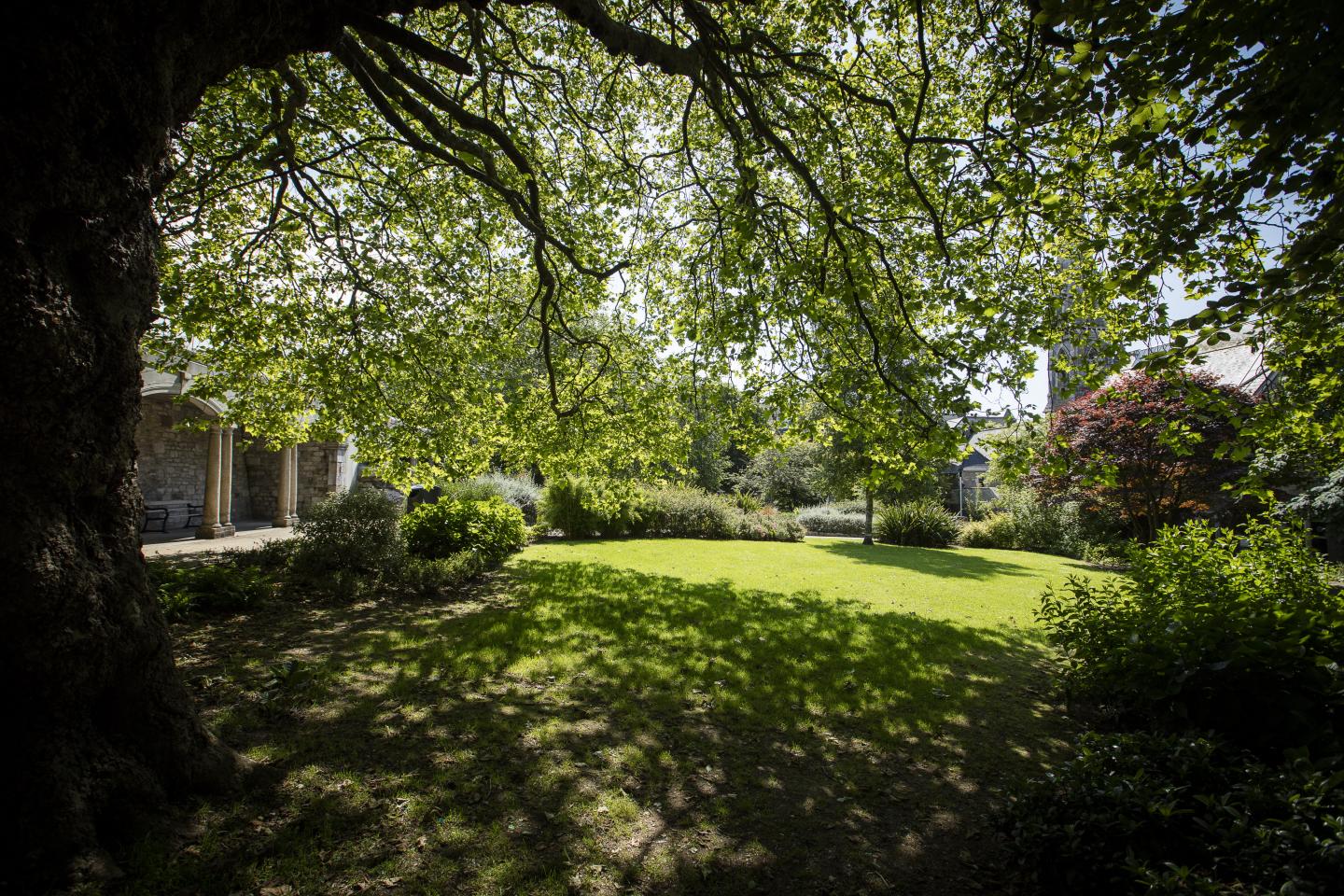
Being able to see green spaces from your home is associated with reduced cravings for alcohol, cigarettes and harmful foods, new research has shown.

The study, led by the University of Plymouth, is the first to demonstrate that passive exposure to nearby greenspace is linked to both lower frequencies and strengths of craving.

It builds on previous research suggesting exercising in nature can reduce cravings, by demonstrating the same may be true irrespective of physical activity.

Researchers say the findings add to evidence that points to the need to protect and invest in green spaces within towns and cities, in order to maximise the public health benefits they may afford. They also suggest the causality of this link needs to be investigated further.

The study, published in the journal Health & Place, is the first to investigate the relationship between exposure to natural environments, craving for a range of appetitive substances and the experiencing of negative emotions or feelings.

It involved academics from the University’s School of Psychology, with support from the European Centre for Environment and Human Health at the University of Exeter.

Leanne Martin, who led the research as part of her Master’s degree in Plymouth, said: “It has been known for some time that being outdoors in nature is linked to a person’s wellbeing. But for there to be a similar association with cravings from simply being able to see green spaces adds a new dimension to previous research. This is the first study to explore this idea, and it could have a range of implications for both public health and environmental protection programmes in the future.”

For the research, participants completed an online survey that explored the relationships between various aspects of nature exposure, craving and negative a?ect.

Among other things, it measured the proportion of greenspace in an individual’s residential neighbourhood, the presence of green views from their home, their access to a garden or allotment; and their frequency of use of public greenspaces.

The results showed that having access to a garden or allotment was associated with both lower craving strength and frequency, while residential views incorporating more than 25% greenspace evoked similar responses.

The study also measured physical activity undertaken within the same time frame that cravings were assessed, showing the reduced craving occurred irrespective of physical activity level.

Dr Sabine Pahl, Associate Professor (Reader) in Psychology, added: “Craving contributes to a variety of health-damaging behaviours such as smoking, excessive drinking and unhealthy eating. In turn, these can contribute to some of the greatest global health challenges of our time, including cancer, obesity and diabetes. Showing that lower craving is linked to more exposure to green spaces is a promising first step. Future research should investigate if and how green spaces can be used to help people withstand problematic cravings, enabling them to better manage cessation attempts in the future.”

###

Media Contact
Alan Williams
[email protected]

Original Source

https://www.plymouth.ac.uk/news/seeing-greenery-linked-to-less-intense-and-frequent-cravings

Related Journal Article

http://dx.doi.org/10.1016/j.healthplace.2019.102160

Tags: AddictionAlcoholBehaviorcancerDecision-making/Problem SolvingDrugsEating Disorders/ObesityGamblingSmoking/TobaccoSocial/Behavioral Science
Share14Tweet9Share2ShareShareShare2

Related Posts

Aversive Learning Hijacks Brain Sugar Sensor

March 25, 2026

Can Psychosocial Factors Influence Cancer Risk?

March 23, 2026

Depression Factors in Elderly: Pre vs. Post-COVID Analysis

March 23, 2026

Hidden Health Crises Among US and UK Volunteers in Ukraine Uncovered in New Study

March 23, 2026
Please login to join discussion

POPULAR NEWS

  • blank

    Revolutionary AI Model Enhances Precision in Detecting Food Contamination

    96 shares
    Share 38 Tweet 24
  • Imagine a Social Media Feed That Challenges Your Views Instead of Reinforcing Them

    1003 shares
    Share 397 Tweet 248
  • Uncovering Functions of Cavernous Malformation Proteins in Organoids

    54 shares
    Share 22 Tweet 14
  • Promising Outcomes from First Clinical Trials of Gene Regulation in Epilepsy

    51 shares
    Share 20 Tweet 13

About

We bring you the latest biotechnology news from best research centers and universities around the world. Check our website.

Follow us

Recent News

In-Sensor Cryptography Links Physical Process to Digital Identity

Can Psychosocial Factors Influence Cancer Risk?

Depression Factors in Elderly: Pre vs. Post-COVID Analysis

Subscribe to Blog via Email

Success! An email was just sent to confirm your subscription. Please find the email now and click 'Confirm' to start subscribing.

Join 78 other subscribers
  • Contact Us

Bioengineer.org © Copyright 2023 All Rights Reserved.

Welcome Back!

Login to your account below

Forgotten Password?

Retrieve your password

Please enter your username or email address to reset your password.

Log In
No Result
View All Result
  • Homepages
    • Home Page 1
    • Home Page 2
  • News
  • National
  • Business
  • Health
  • Lifestyle
  • Science

Bioengineer.org © Copyright 2023 All Rights Reserved.