• HOME
  • NEWS
  • EXPLORE
    • CAREER
      • Companies
      • Jobs
    • EVENTS
    • iGEM
      • News
      • Team
    • PHOTOS
    • VIDEO
    • WIKI
  • BLOG
  • COMMUNITY
    • FACEBOOK
    • INSTAGRAM
    • TWITTER
Saturday, February 7, 2026
BIOENGINEER.ORG
No Result
View All Result
  • Login
  • HOME
  • NEWS
  • EXPLORE
    • CAREER
      • Companies
      • Jobs
        • Lecturer
        • PhD Studentship
        • Postdoc
        • Research Assistant
    • EVENTS
    • iGEM
      • News
      • Team
    • PHOTOS
    • VIDEO
    • WIKI
  • BLOG
  • COMMUNITY
    • FACEBOOK
    • INSTAGRAM
    • TWITTER
  • HOME
  • NEWS
  • EXPLORE
    • CAREER
      • Companies
      • Jobs
        • Lecturer
        • PhD Studentship
        • Postdoc
        • Research Assistant
    • EVENTS
    • iGEM
      • News
      • Team
    • PHOTOS
    • VIDEO
    • WIKI
  • BLOG
  • COMMUNITY
    • FACEBOOK
    • INSTAGRAM
    • TWITTER
No Result
View All Result
Bioengineer.org
No Result
View All Result
Home NEWS Science News Health

Young athletes may need one-year break after knee surgery

Bioengineer by Bioengineer
May 23, 2019
in Health
Reading Time: 3 mins read
0
IMAGE
Share on FacebookShare on TwitterShare on LinkedinShare on RedditShare on Telegram

IMAGE

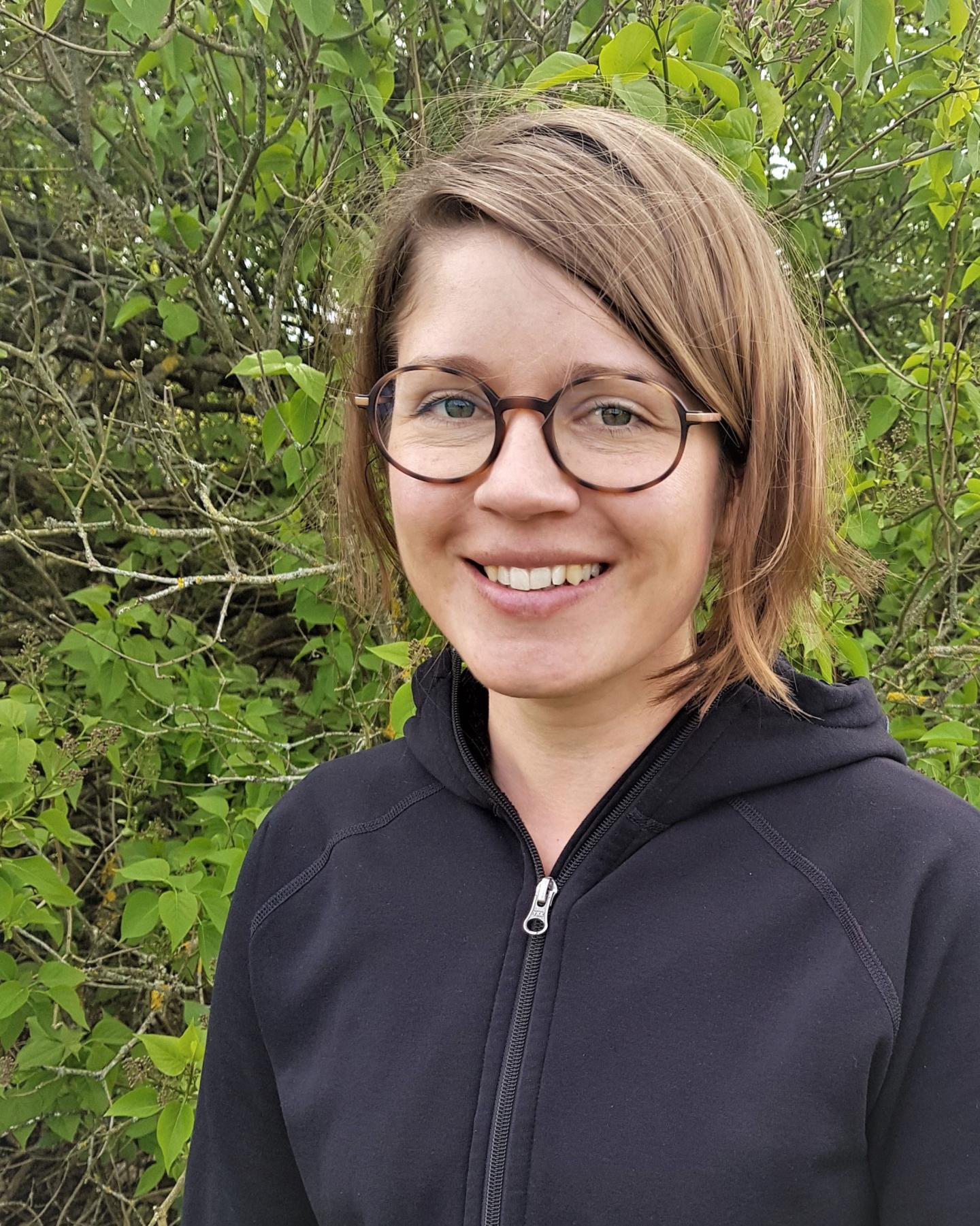
Credit: Photo by Magnus Beischer

After surgical reconstruction of the anterior cruciate ligament, young athletes are now recommended to undergo at least a year’s rehab and thorough testing before resuming knee-strenuous sport. Research shows that those who return to sport relatively soon after surgery incur a highly elevated risk of a second ACL injury.

“What’s absolutely essential is to let the rehab take time. Every month’s wait represents a huge gain,” says Susanne Beischer, PhD student at Sahlgrenska Academy, University of Gothenburg, Sweden, who works as a clinical physical therapist.

An injury the anterior cruciate ligament (ACL) is the most common form of injury to the knee joint. It mainly affects young players of sports like football, handball, floorball and basketball. In her research, Beischer has focused on adolescents’ and young adults’ return to sport after surgery.

Up to 30 percent proved to have suffered a second ACL injury, in the same or the other knee, shortly after returning to their sport. However, there were major differences depending on how long they had refrained from playing.

Of those who had returned to sport within nine months after surgery of the cruciate ligament, nearly a third (10 of 33 individuals) were injured again. Among those who waited nine months or more, the proportion suffering a new injury was considerably lower (8 of 126).

In total, 729 members of the two age groups of sports participants, adolescents (age 15-20) and young adults (age 21-30), were included in the various sub-studies in the thesis. Their rehabilitation in primary care was individualized by the respective physical therapists in charge.

Of the adolescents studied, half had returned to sport again as usual only eight months after surgery, while the young adults waited longer. Regardless of age group, only a quarter regained their previous thigh-muscle strength and jumping capacity before resuming their sporting activities.

Young sports participants, especially those below the age of 20, are recommended to extend their rehabilitation to at least nine months — preferably a year or more — and to ensure that their strength and jumping capacity are restored before they return to sport.

To determine whether a person is ready to return, physical therapists are recommended to assess young sports players by using questionnaires and tests of thigh-muscle strength and jumping capacity. This takes place today in the “Project ACL” (Projekt Korsband), in which the University of Gothenburg is an active partner.

“It imposes extreme demands on us as physical therapists. We have to engage, support and create motivation for these people, so that their rehabilitation is completed and we don’t let them go back too soon. It’s also important for the physical therapist and orthopedist early on, before the operation, to tell the patient that rehab takes time. It’s a matter of having the right expectations,” Susanne Beischer says.

Participants in the study were recruited mainly from the Gothenburg region through the physical therapists and/or orthopedists responsible for their treatment.

###

Title: “Patience you must have, my young athlete”: Rehabilitation-specific outcomes after anterior cruciate ligament reconstruction; http://hdl.handle.net/2077/59065

Media Contact
Susanne Beischer
[email protected]

Original Source

https://sahlgrenska.gu.se/english/research/news-events/news-article/?languageId=100001&contentId=1628682&disableRedirect=true&returnUrl=http%3A%2F%2Fsahlgrenska.gu.se%2Fforskning%2Faktuellt%2Fnyhet%2F%2Funga-idrottare-kan-behova-arslang-paus-efter-ko

Tags: Medicine/HealthMusculatureOrthopedic MedicineRehabilitation/Prosthetics/Plastic SurgerySports MedicineSports/Recreation
Share14Tweet8Share2ShareShareShare2

Related Posts

Boosting Remote Healthcare: Stepped-Wedge Trial Insights

February 7, 2026

Barriers and Boosters of Seniors’ Physical Activity in Karachi

February 7, 2026

Evaluating Pediatric Emergency Care Quality in Ethiopia

February 7, 2026

TPMT Expression Predictions Linked to Azathioprine Side Effects

February 7, 2026
Please login to join discussion

POPULAR NEWS

  • Robotic Ureteral Reconstruction: A Novel Approach

    Robotic Ureteral Reconstruction: A Novel Approach

    82 shares
    Share 33 Tweet 21
  • Digital Privacy: Health Data Control in Incarceration

    63 shares
    Share 25 Tweet 16
  • Study Reveals Lipid Accumulation in ME/CFS Cells

    57 shares
    Share 23 Tweet 14
  • Breakthrough in RNA Research Accelerates Medical Innovations Timeline

    53 shares
    Share 21 Tweet 13

About

We bring you the latest biotechnology news from best research centers and universities around the world. Check our website.

Follow us

Recent News

Boosting Remote Healthcare: Stepped-Wedge Trial Insights

Barriers and Boosters of Seniors’ Physical Activity in Karachi

Evaluating Pediatric Emergency Care Quality in Ethiopia

Subscribe to Blog via Email

Enter your email address to subscribe to this blog and receive notifications of new posts by email.

Join 73 other subscribers
  • Contact Us

Bioengineer.org © Copyright 2023 All Rights Reserved.

Welcome Back!

Login to your account below

Forgotten Password?

Retrieve your password

Please enter your username or email address to reset your password.

Log In
No Result
View All Result
  • Homepages
    • Home Page 1
    • Home Page 2
  • News
  • National
  • Business
  • Health
  • Lifestyle
  • Science

Bioengineer.org © Copyright 2023 All Rights Reserved.